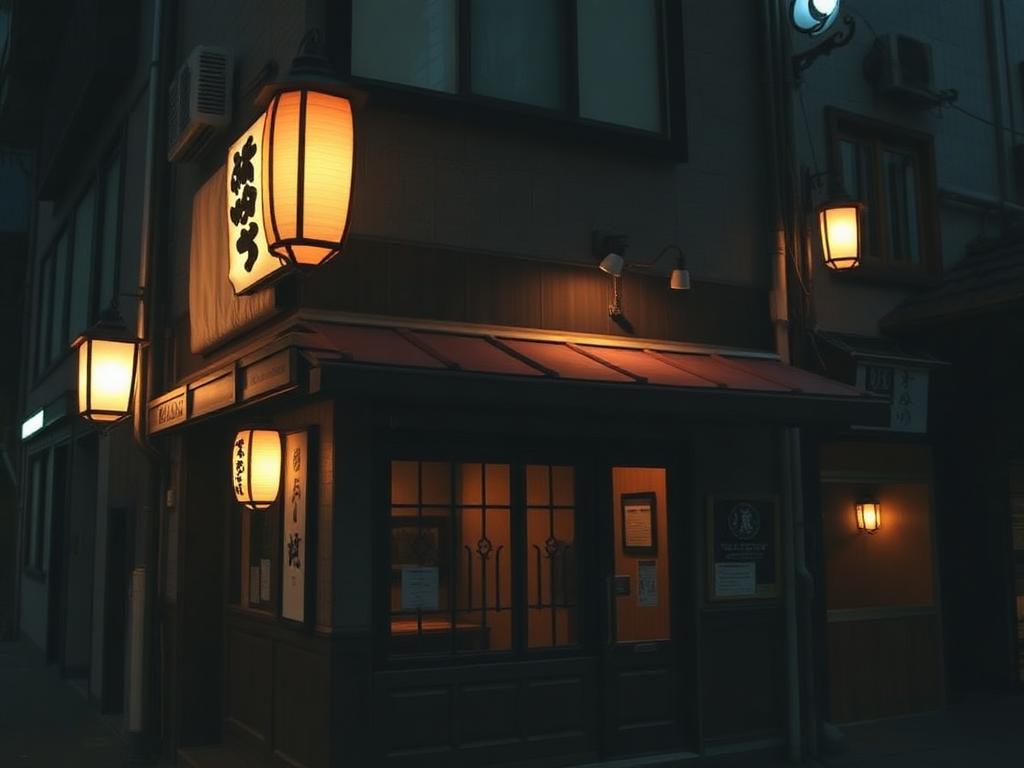
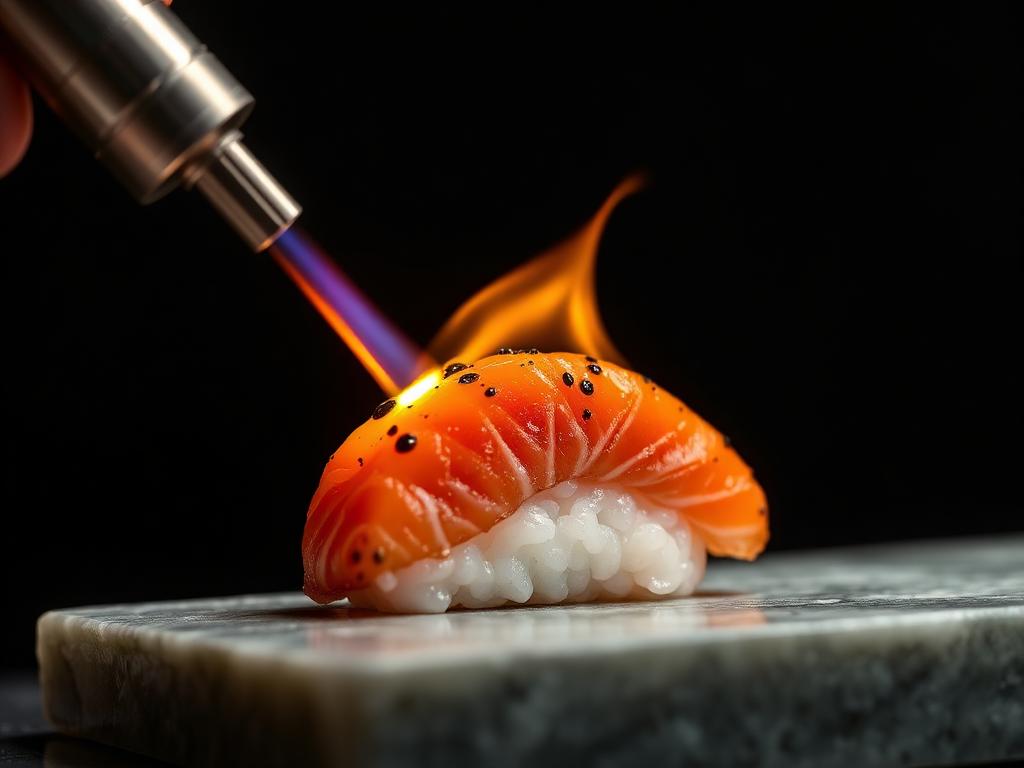
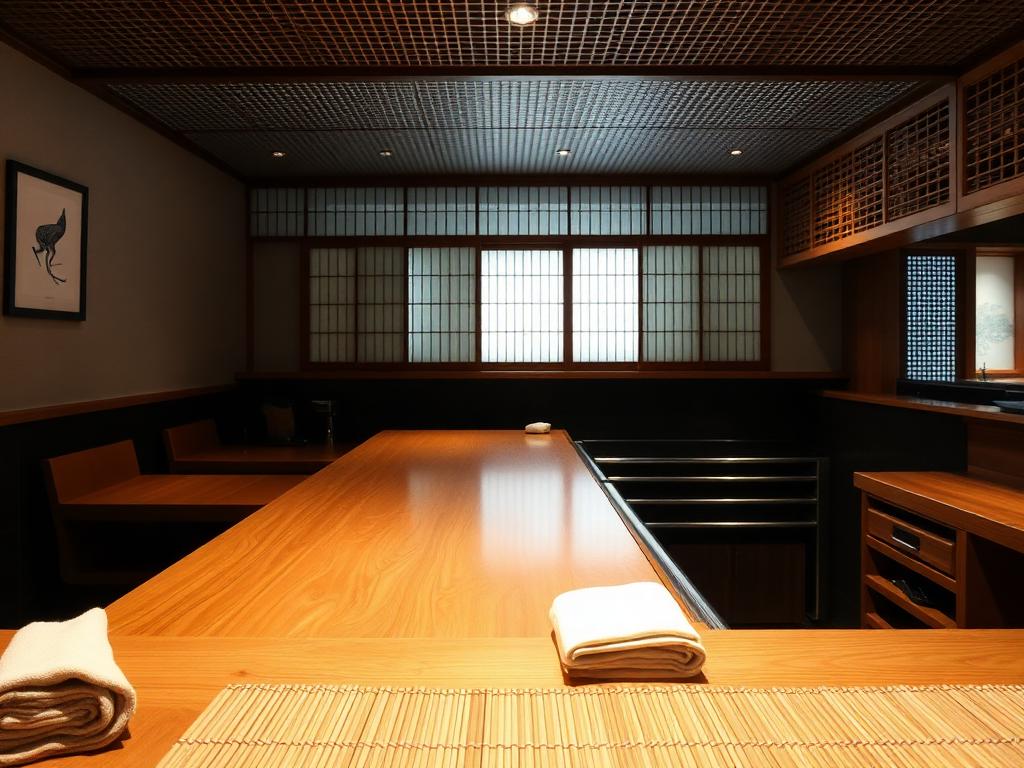
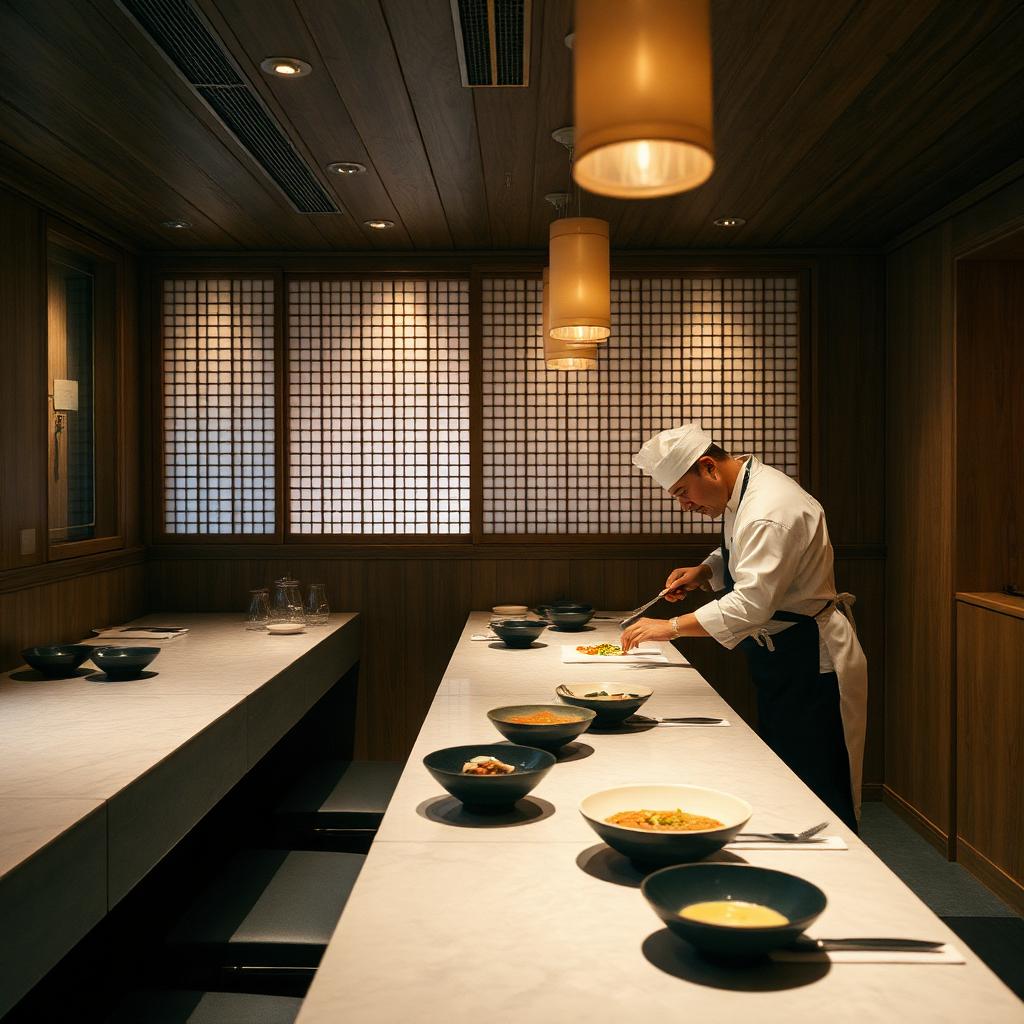
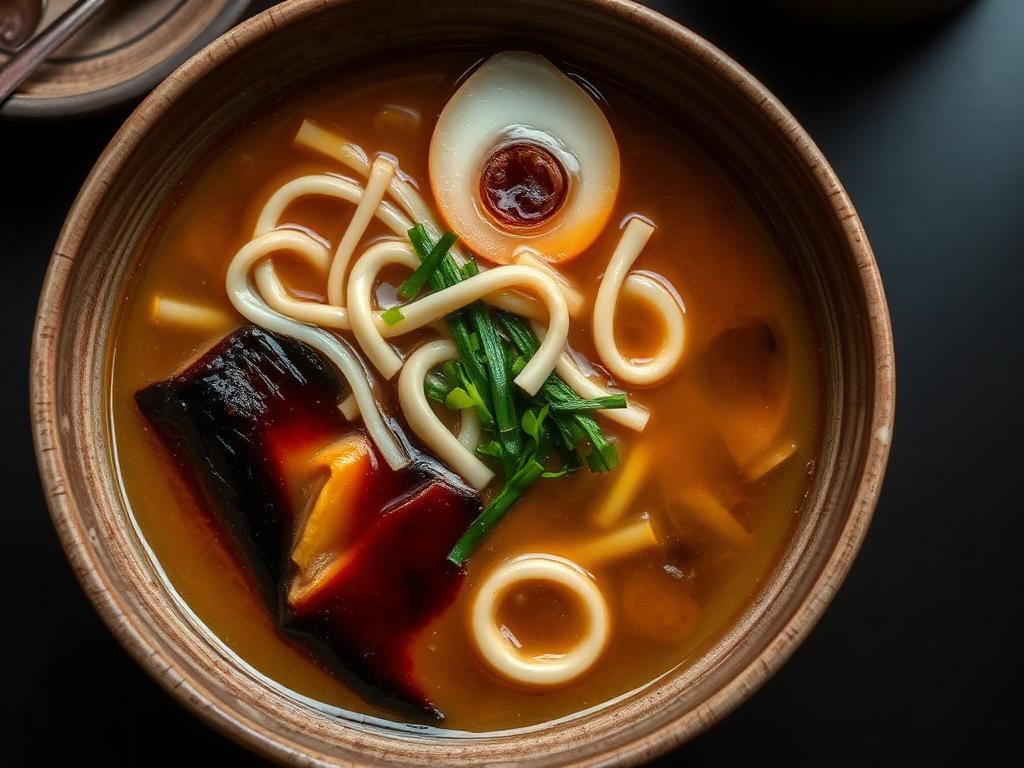
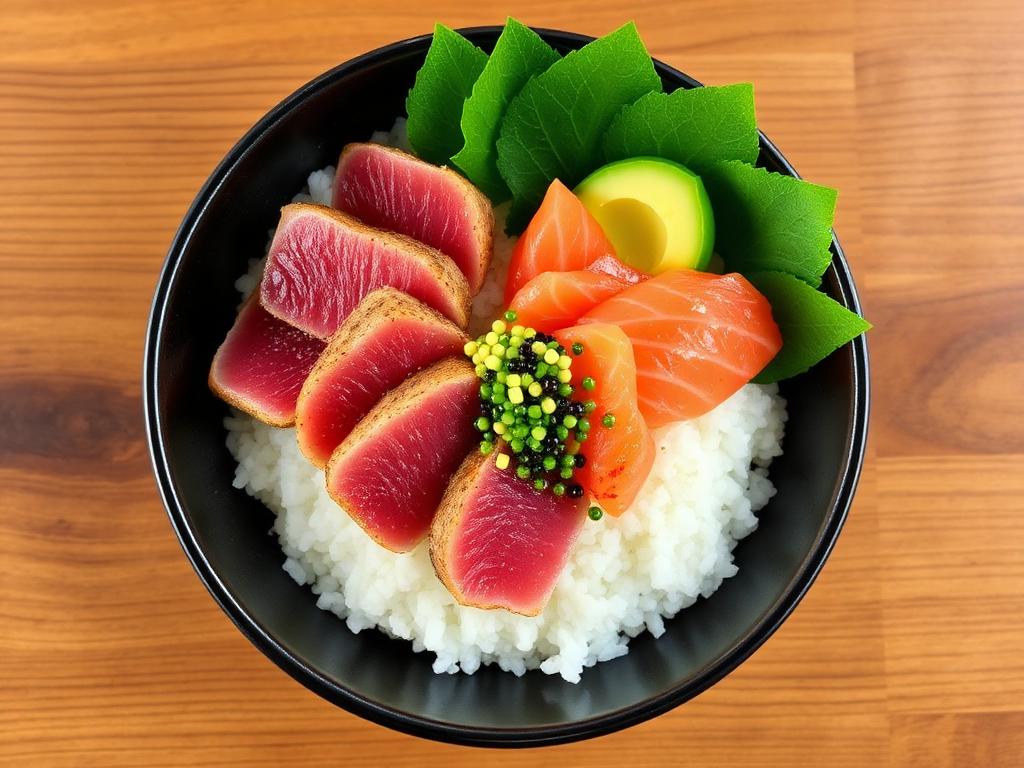
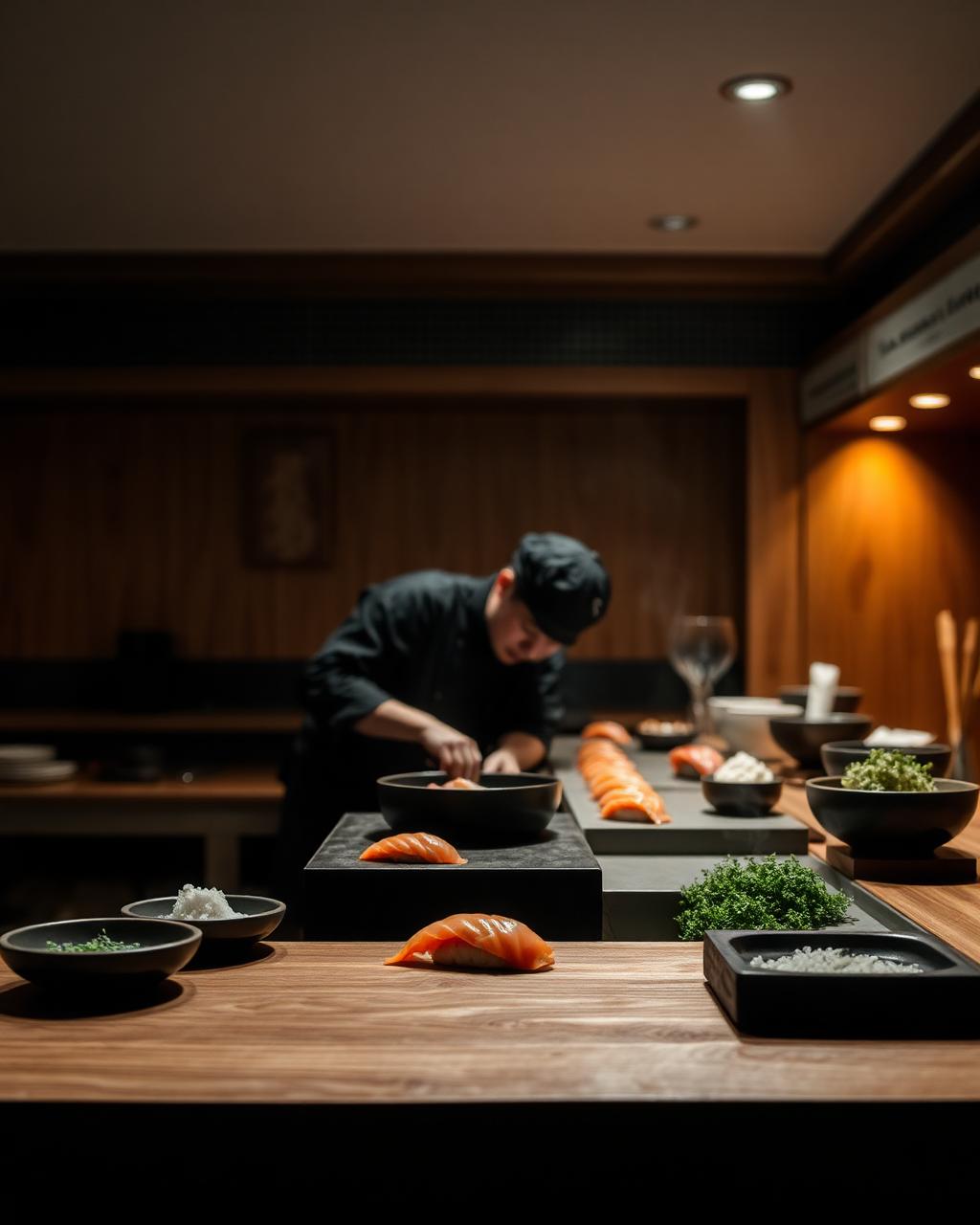
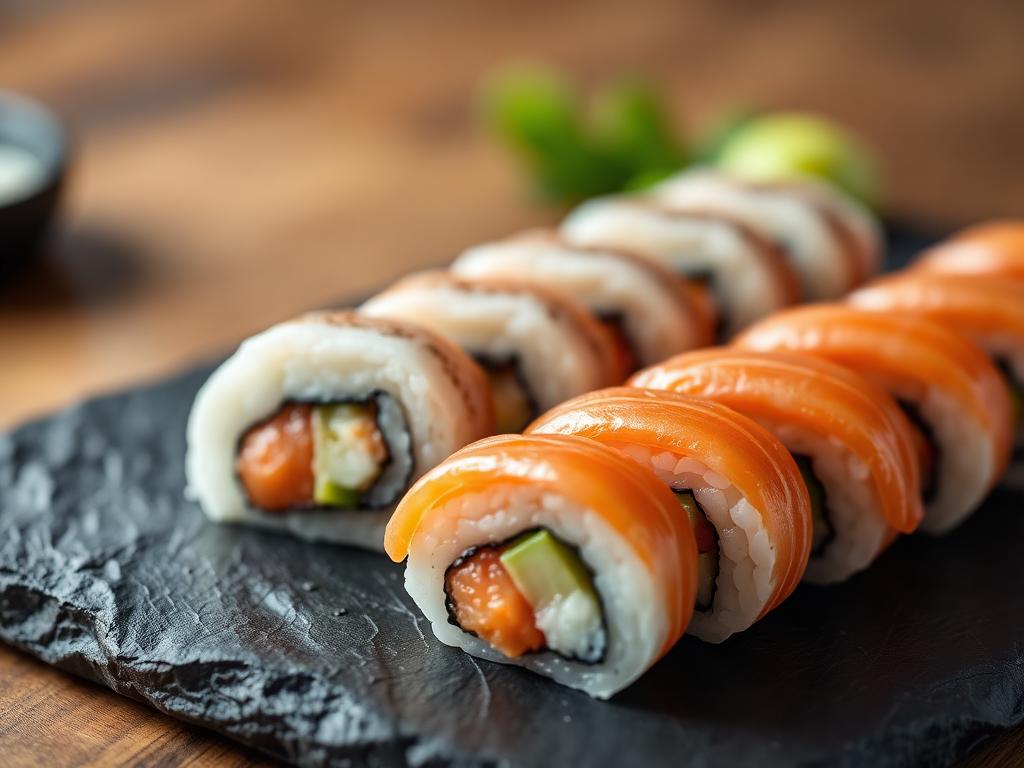
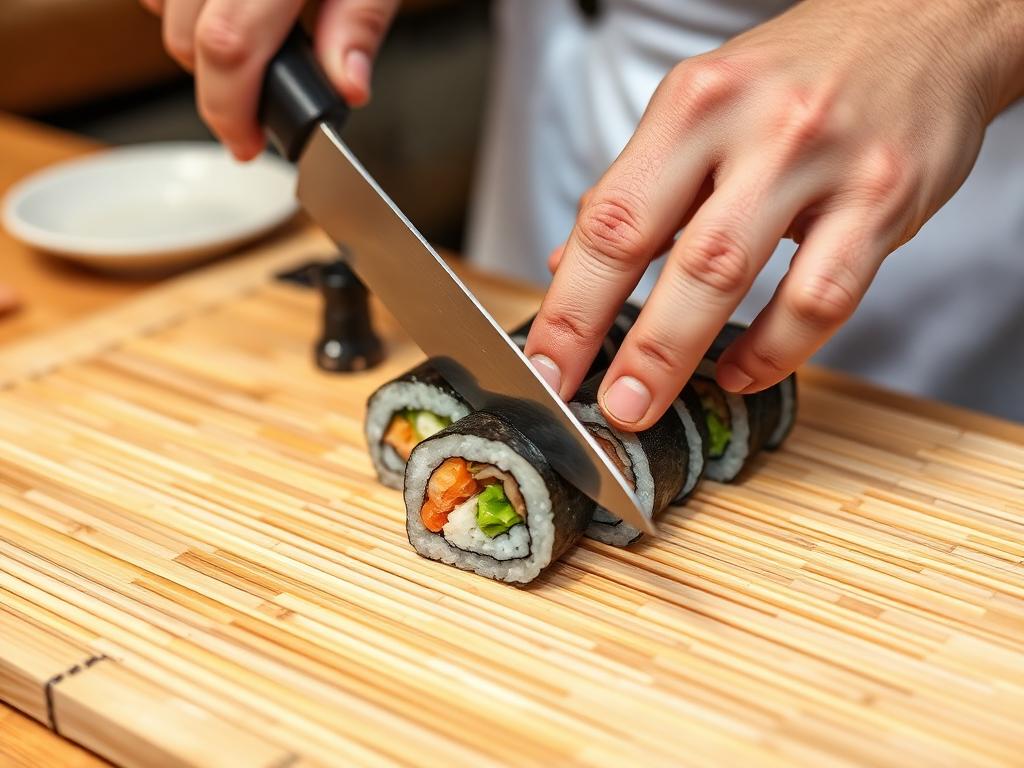
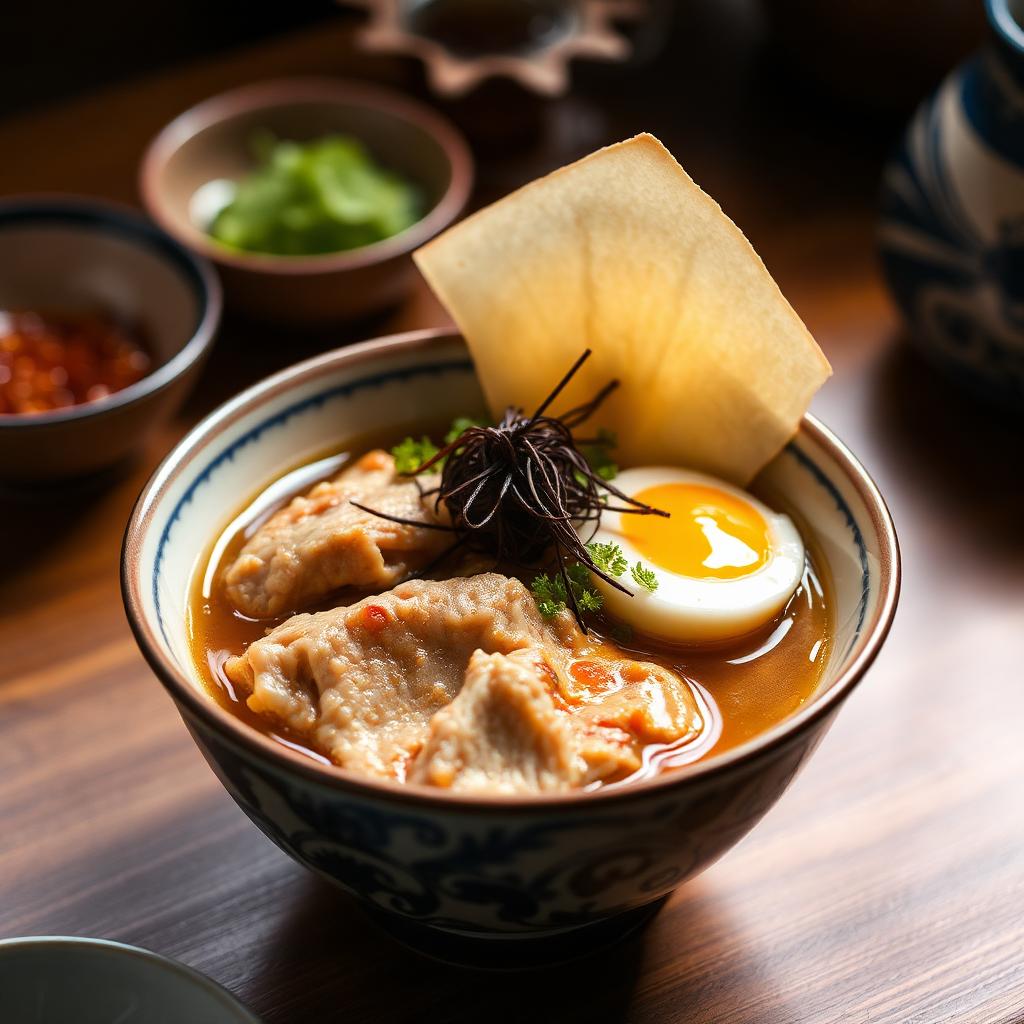
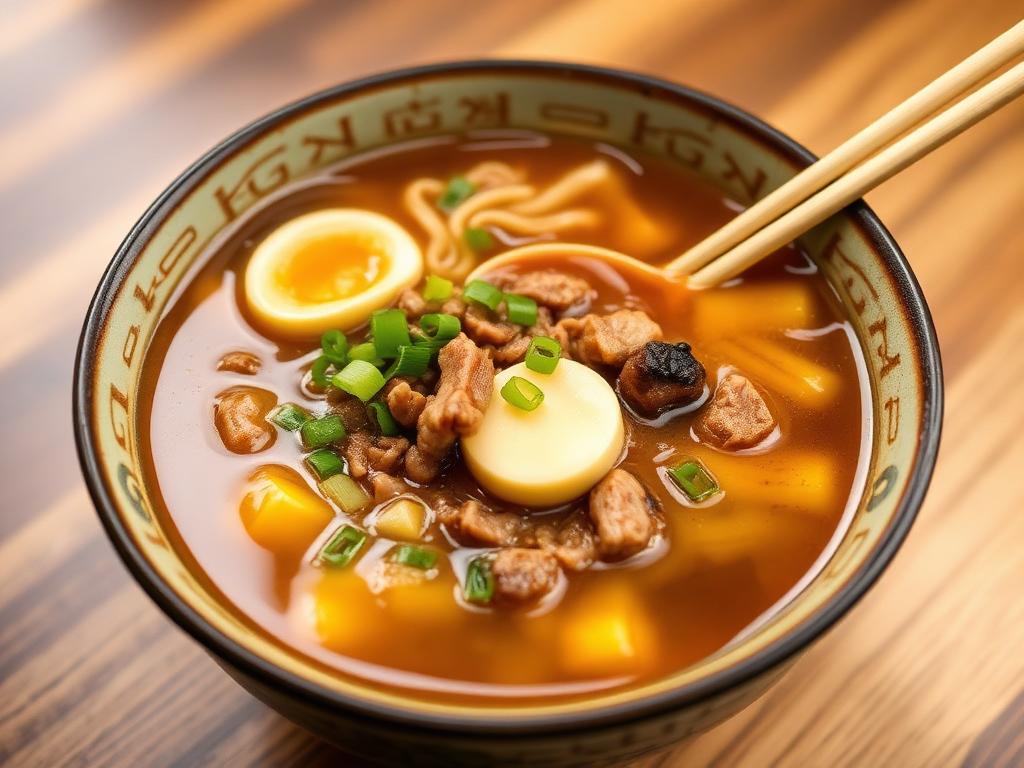
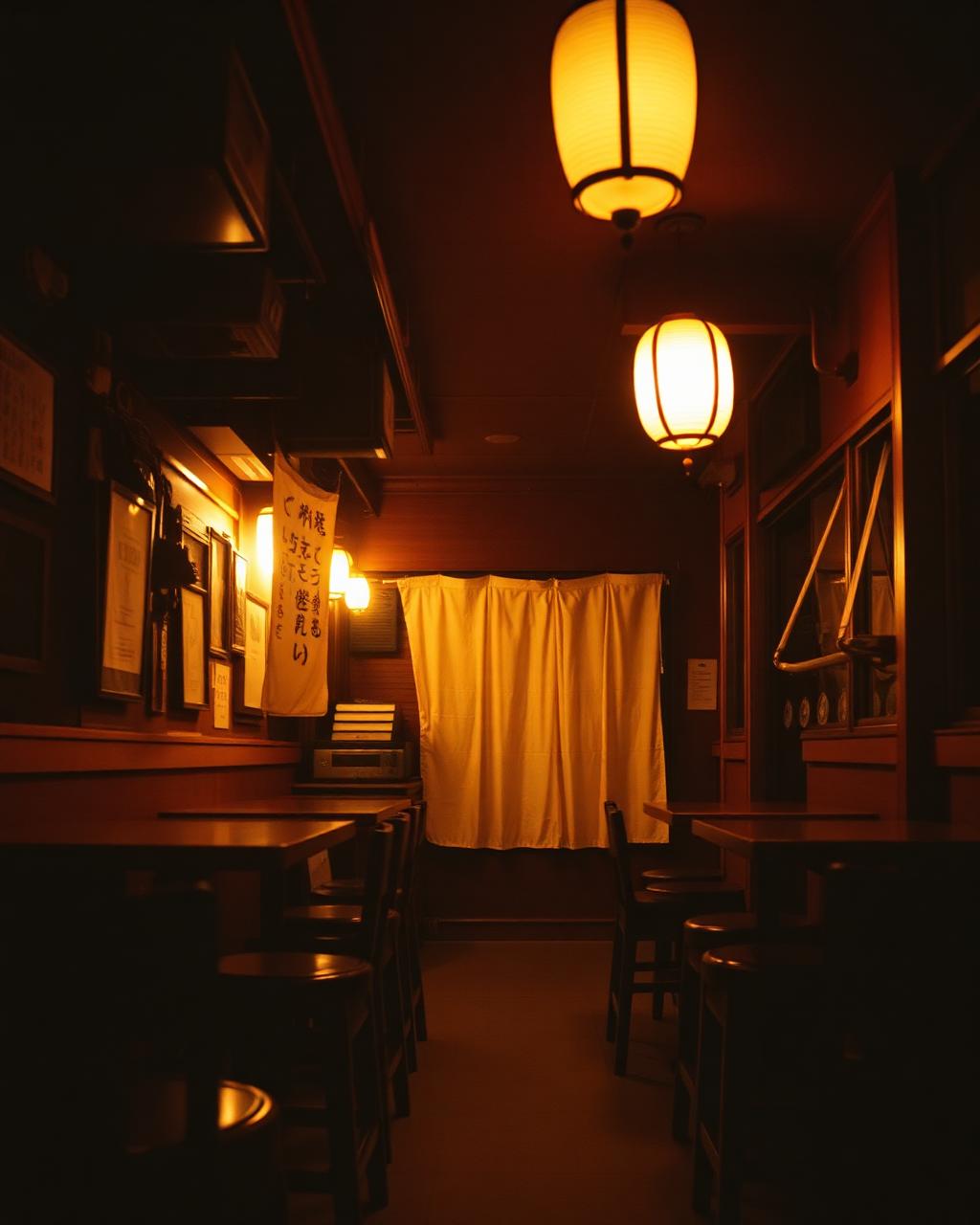
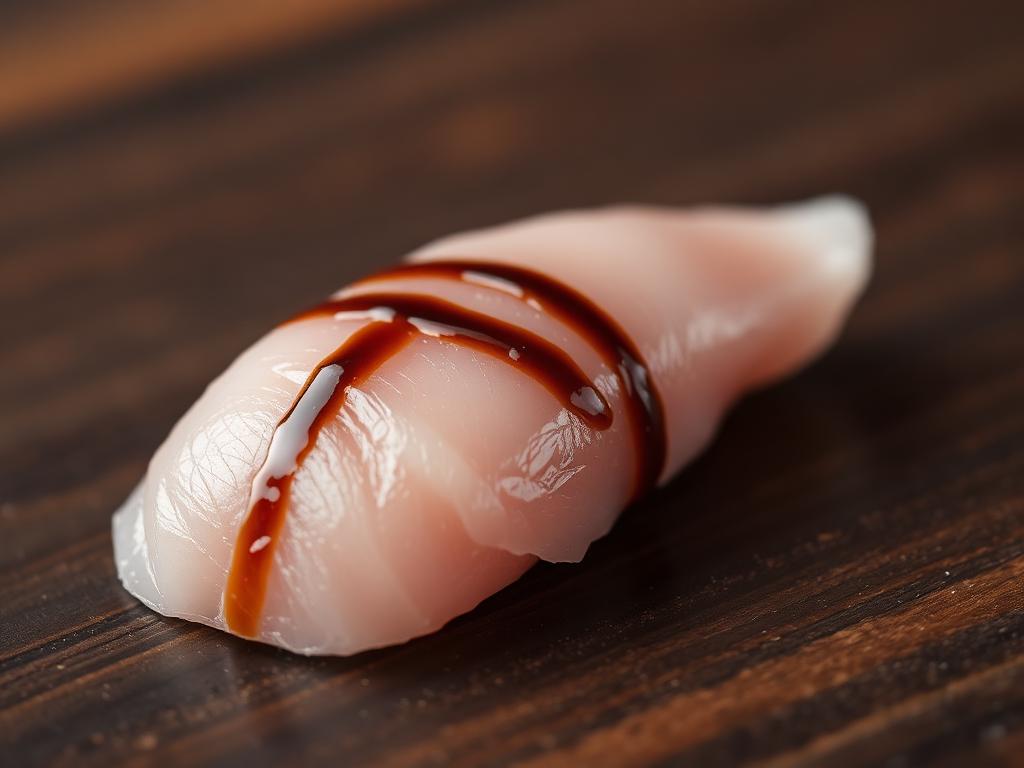
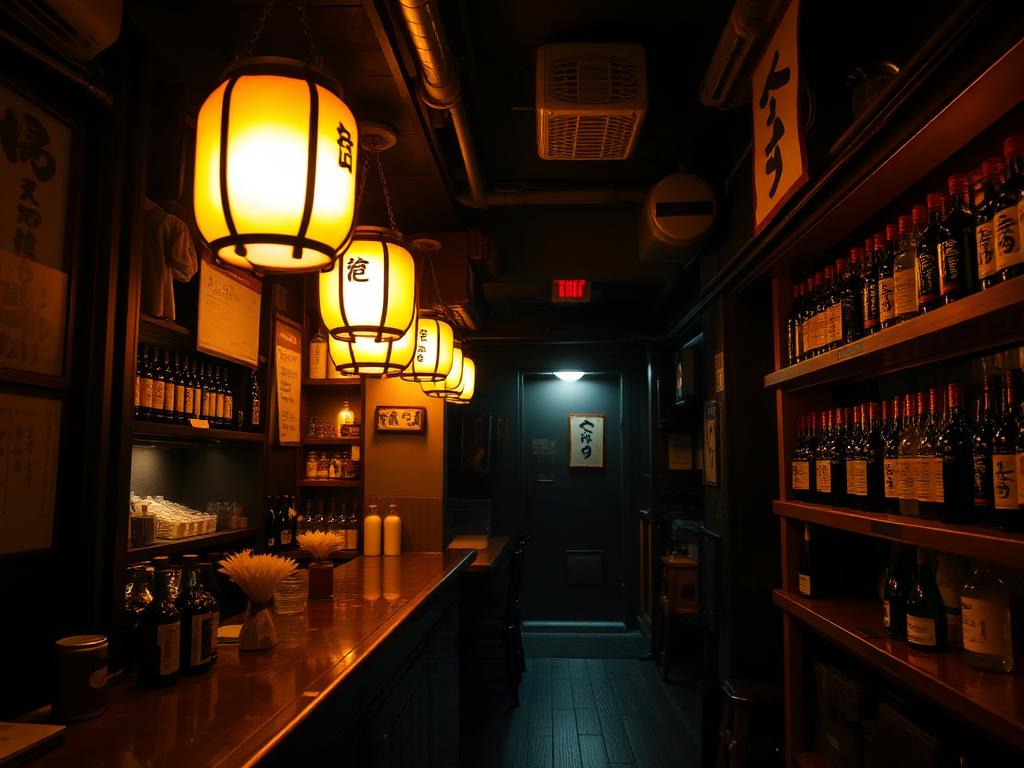
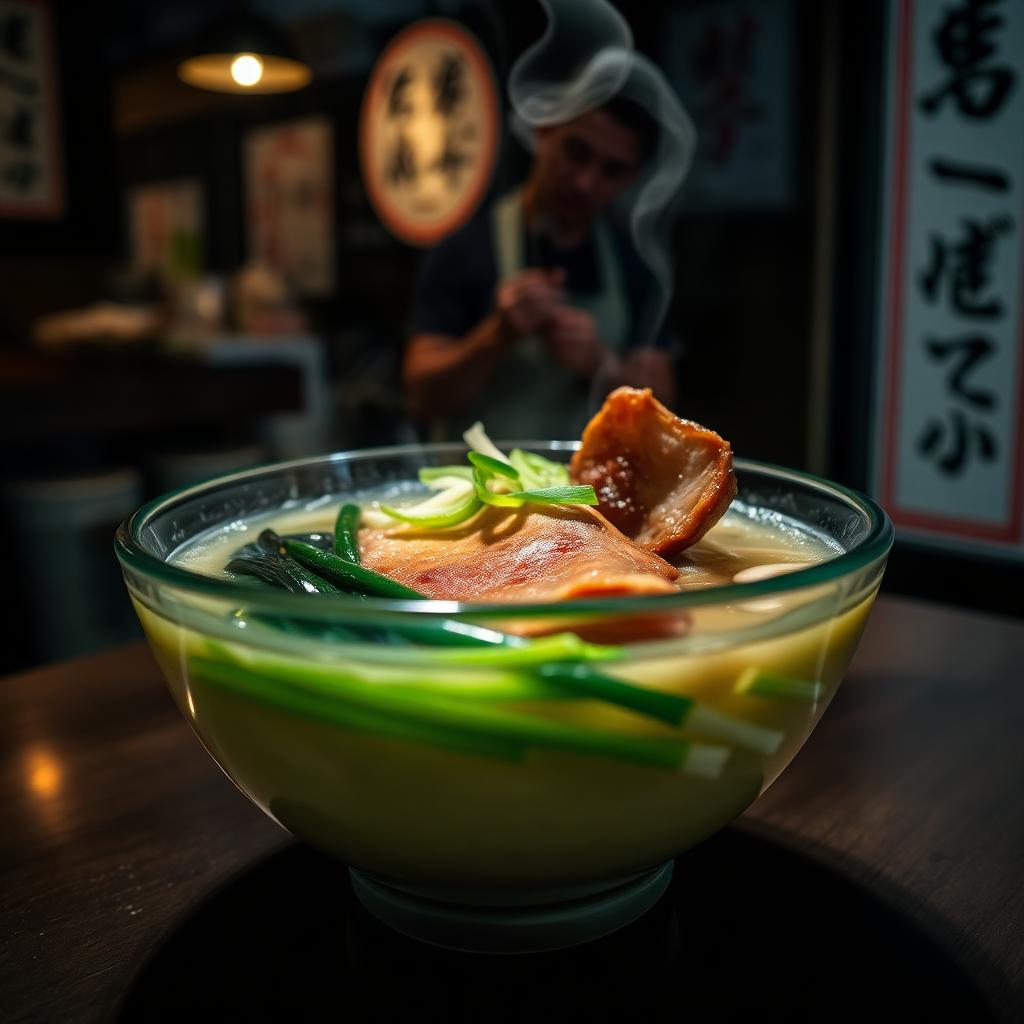
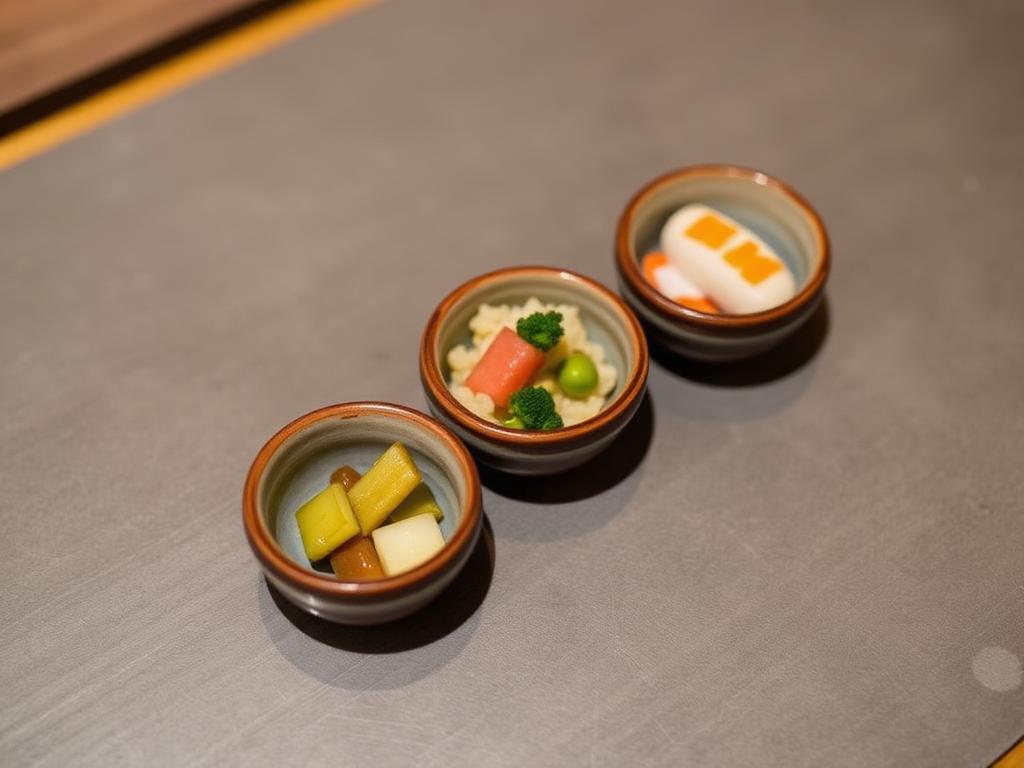
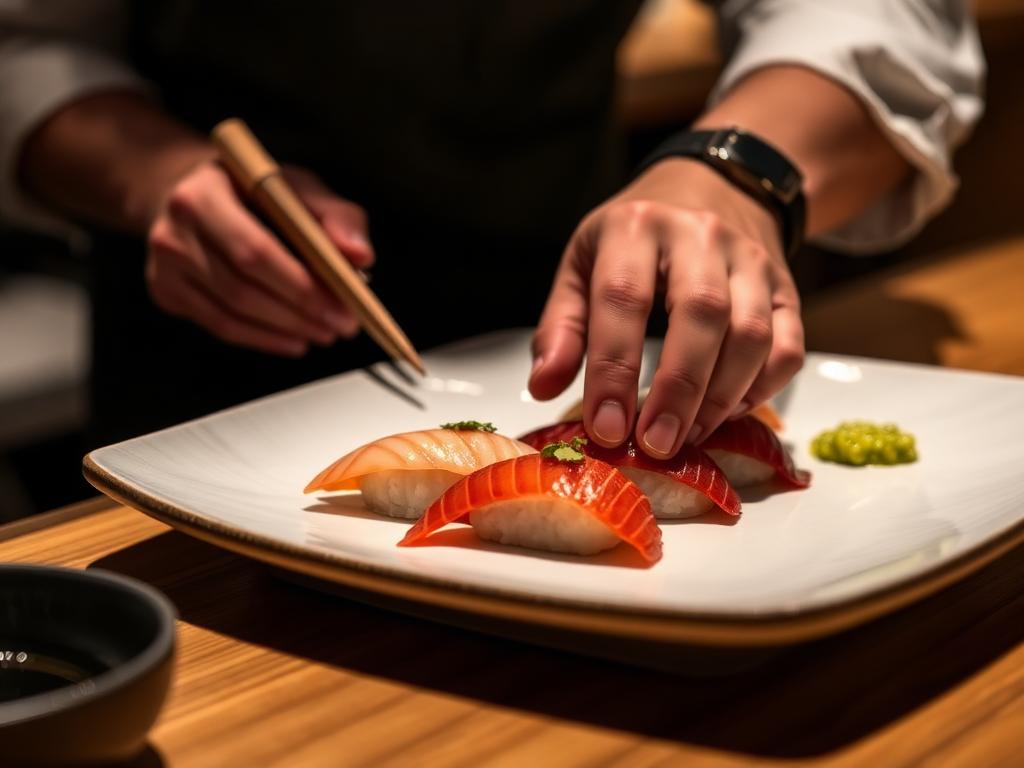
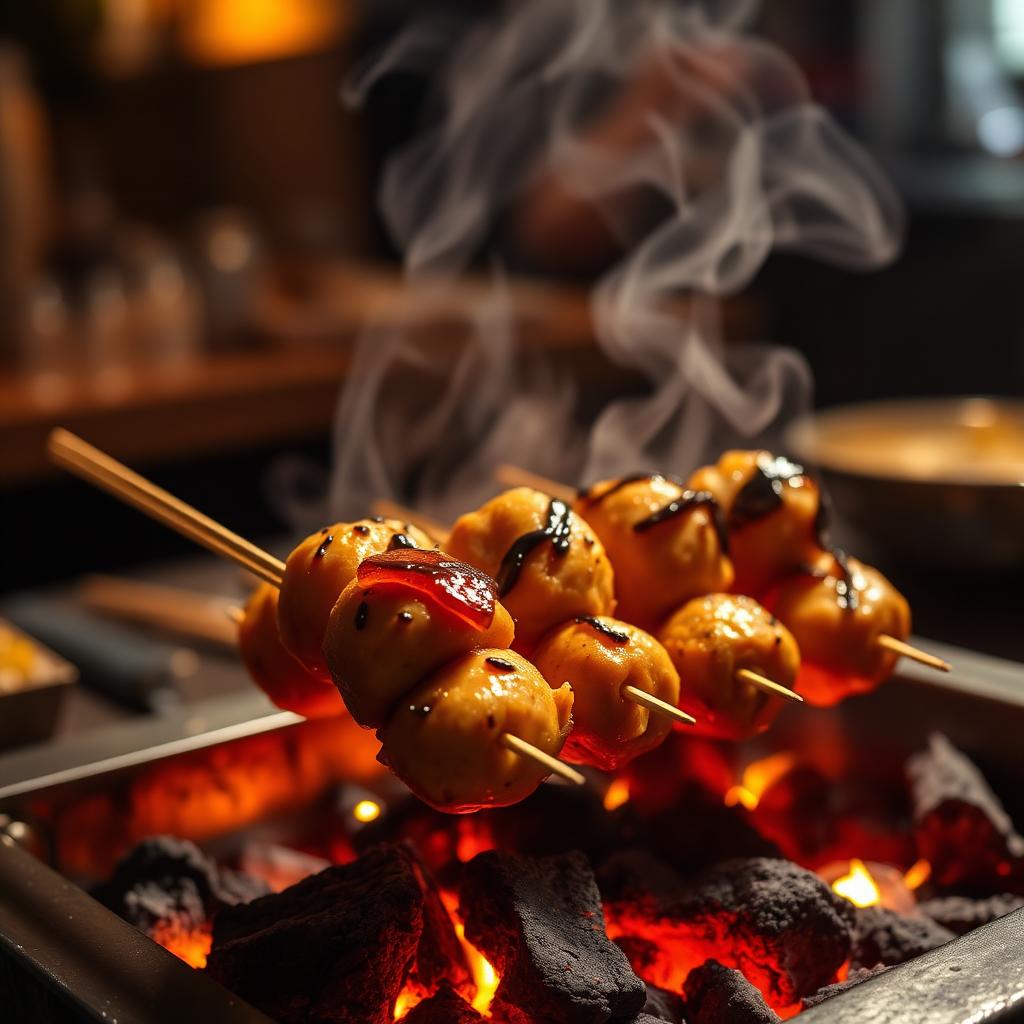
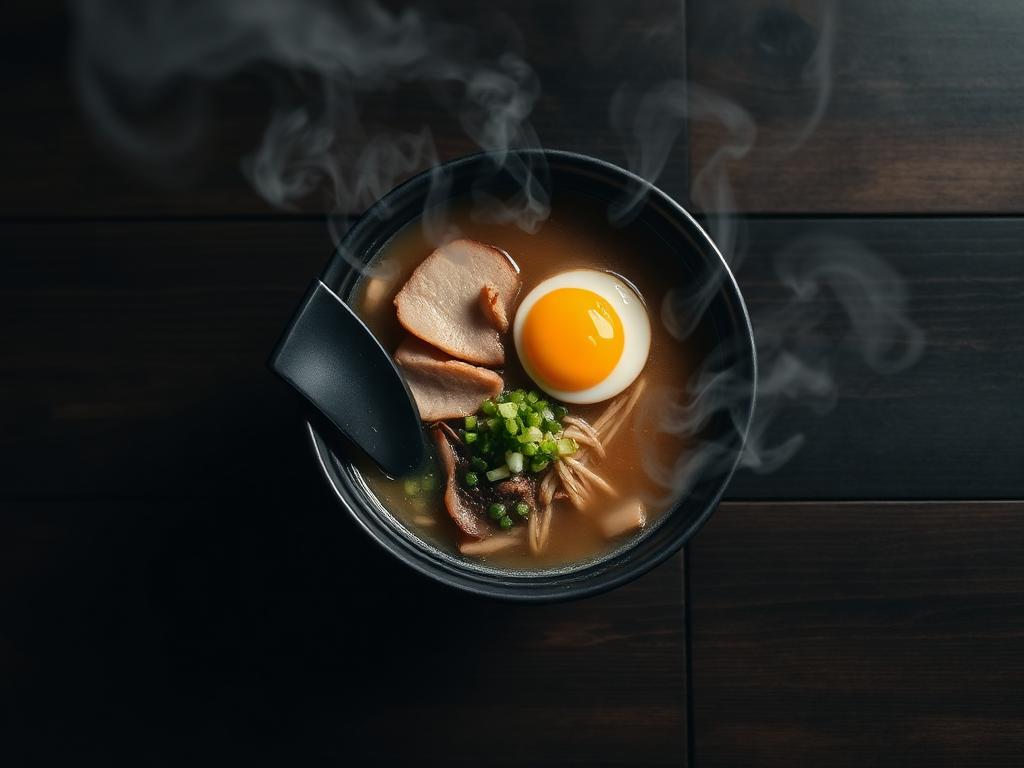
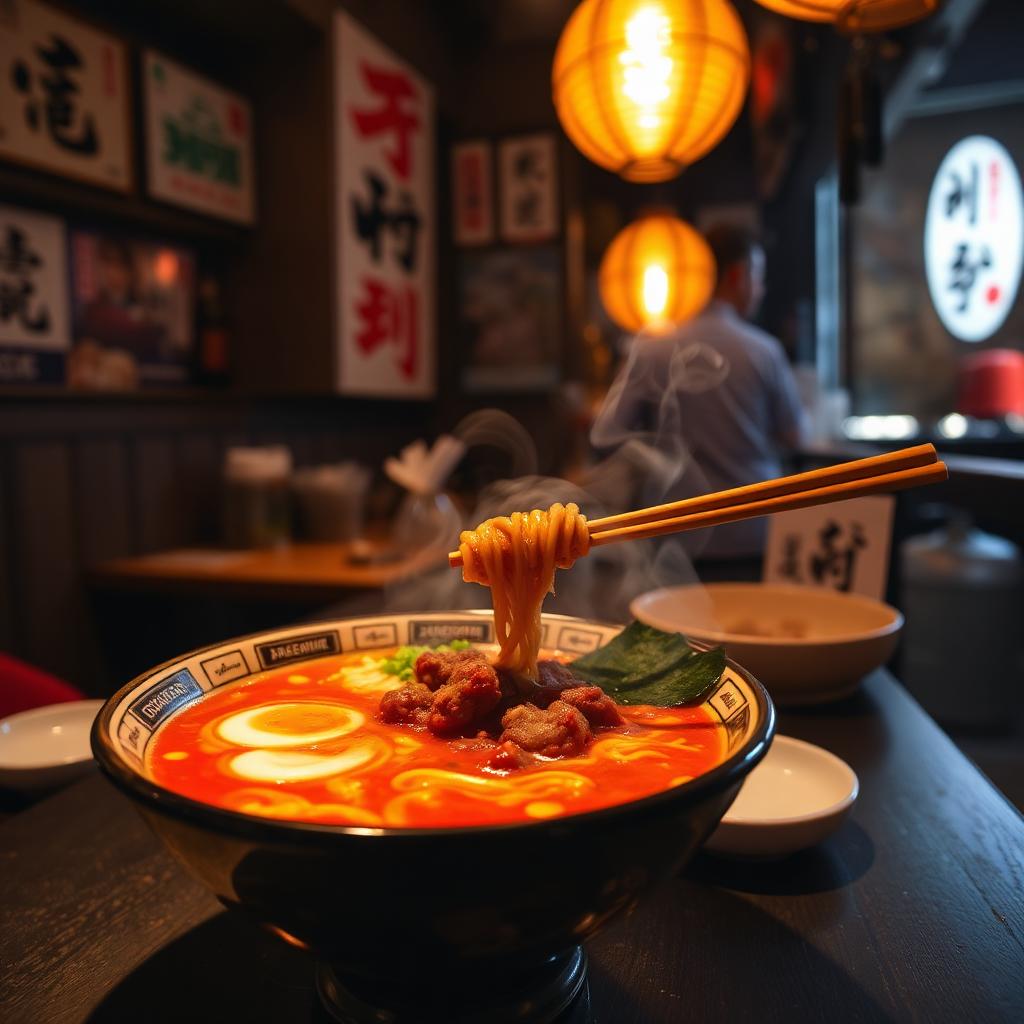
New York's Japanese dining scene runs deep — from veteran edomae counters in Midtown to chef-led izakaya in the East Village and Brooklyn. Selected for authenticity, not hype.
This guide covers 221 authentic Japanese restaurants in New York across 7 categories — 79 sushi, 42 ramen, 53 izakaya, 3 teppanyaki, 10 yakitori, 13 kaiseki, 21 donburi — spread across 79 neighborhoods. 130 are Japanese-owned. Each entry is hand-picked by Washoku Guide for authentic Japanese cooking — no chains, no fusion, no algorithm rankings.
At a glance
Curated
221
Categories
7
Neighborhoods
79
Japanese-owned
130
Price range
¥–¥¥¥¥
Editor's picks
Hand-ranked
The 8 best authentic Japanese restaurants in New York
Ranked by the Washoku Guide editors based on authenticity, technique, and consistency — not user reviews, not algorithms. Every entry is a kitchen we'd return to.
America's most expensive sushi counter — chef Masa Takayama's austere omakase in the Deutsche Bank Center, long the country's only three-Michelin-star Japanese restaurant.
An intimate eight-seat hinoki counter on East 78th Street where chef Nozomu Abe serves a strict Edomae omakase with red-vinegar shari and fish aged in-house.
Chef Hiroki Odo's two-Michelin-star kaiseki room in Flatiron — seasonal Japanese courses with French technique, set in a serene twelve-seat dining room.
A small, personal kaiseki counter in Flatiron where chef Junichi Noda presents seasonal Japanese courses shaped by his deep knowledge of classical culinary tradition.
A Midtown East omakase counter earning Michelin recognition for a precise 20-course sushi experience — chef George Ruan's New York flagship at One Vanderbilt.
Chef Yoshiharu Kosaka's West Village kaiseki counter — a Michelin-starred room with a deeply classical seasonal menu built on years of formal Japanese culinary training.
New York's only Michelin-starred tempura counter — chef Masato Matsui's Murray Hill room offers a meticulously sequenced tempura omakase using sesame oil and seasonal Japanese ingredients.
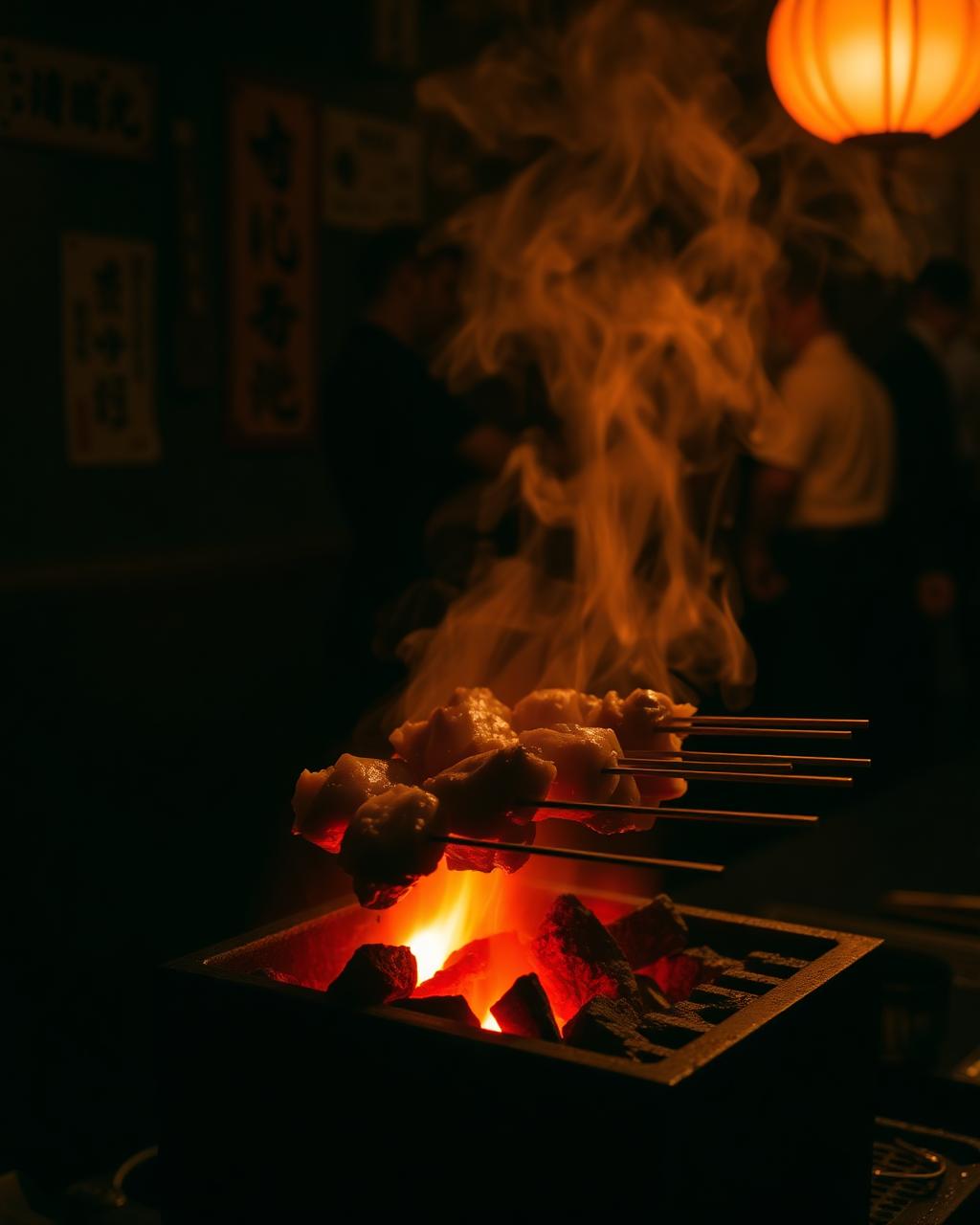
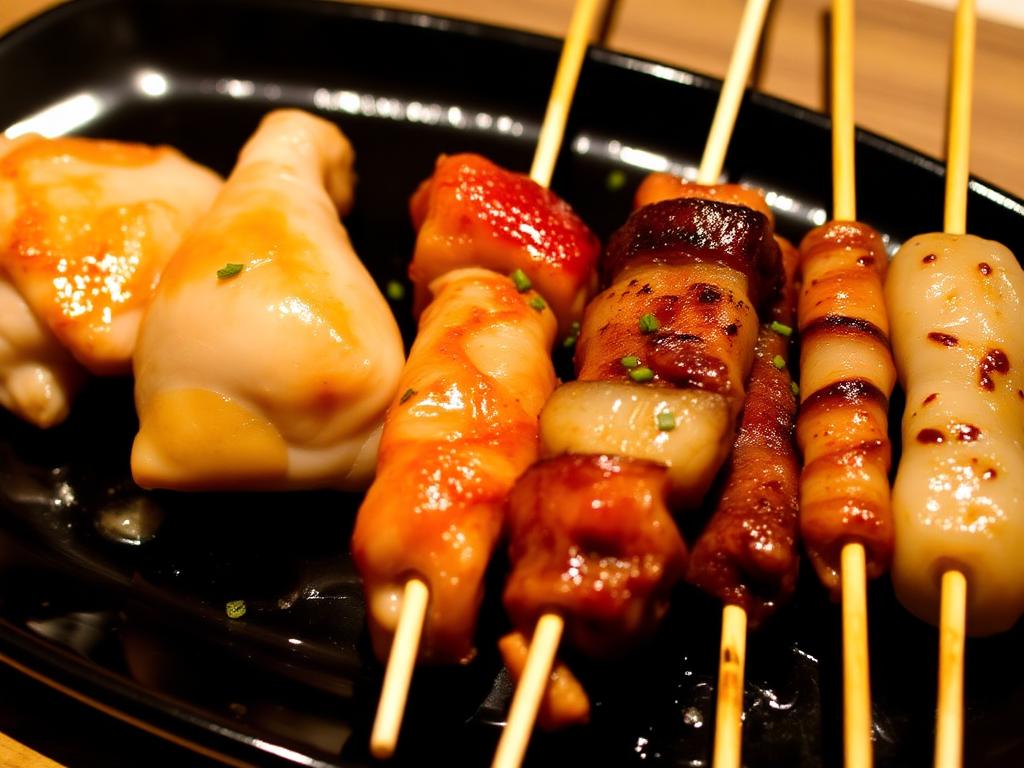
The first yakitori restaurant in the United States to earn a Michelin star — seven consecutive stars for this Hell's Kitchen counter, grilling over Kishu binchōtan charcoal.
A Michelin-starred yakitori omakase in NoHo from Yoshiteru Ikegawa — the Tokyo master behind Torishiki — brought to New York as a 17-seat counter with $180 tasting menu.
Chef Atsushi Kono — the man who earned Torishin its Michelin stars — runs his own 14-seat kappo-style yakitori omakase in the Canal Arcade, ranked #23 on North America's 50 Best.
Astoria's pioneer ramen shop — Michelin-starred and Bib Gourmand-recognized, helmed by Japanese chef Koji Miyamoto who offers seven regional ramen styles under one roof.
A Michelin-starred French-Japanese omakase in Greenpoint, Brooklyn, where chef-owner Yuu Shimano composes 15-course seasonal menus with classical French technique and Japanese precision.
A Michelin Green Star omakase in Astoria — chef Jay Zheng fuses his Chinese cultural background with strict Japanese kaiseki and seasonal Edomae technique.
A Michelin-starred omakase counter on East 74th Street — quiet, focused, and representative of the best traditional Edomae sushi practice in the Upper East Side.
One of New York's longest-standing sushi institutions — opened in 1999, Sushi Yasuda remains a Michelin-recognized Midtown East classic for Edomae sushi at the counter.
Chef Seki's original Upper East Side sushi counter — a Michelin-recognized room open since 2002, known for inventive nigiri and late-night reservations.
The more accessible sibling to Masa — Bar Masa at Columbus Circle offers à la carte sushi and Japanese dishes from chef Masayoshi Takayama's team at a lower threshold.
New York's highest-acclaimed new sushi counter — chef Keiji Nakazawa earned three Michelin stars in 2025 for an extraordinary Edomae omakase at 3 East 41st Street.
Owner-chef Shin Takagi from Nagano runs this East Village Japanese street-food counter — karaage, okonomiyaki, and fried chicken bowls from a cook with 30+ years in Japan's food culture.
New York's outpost of Fukuoka's Gogyo — famous for kogashi ramen, in which miso or tare is intentionally scorched before building the broth, creating a smoky, complex bowl.
Gyu-Kaku's Flushing location — Reins International's table-grill yakiniku on the second floor of Main Street, serving downtown Flushing's Japanese and Korean dining corridor.
TeppanyakiYakinikuJapanese BBQLong Island CityQueens
Gyu-Kaku's Long Island City location — Japanese-owned table-grill yakiniku from Yokohama-based Reins International, with Happy Hour daily on 21st Street in Queens.
A Midtown East sushi institution open since 1976 — one of the city's pioneering Japanese restaurants, still serving traditional Edomae nigiri near Grand Central.
A Hell's Kitchen izakaya on Restaurant Row that replaced Sake Bar Hagi 46 — owner Tomo Morikawa serves yakitori tapas and Japanese small plates with late-night hours.
An East Village restaurant that operates as a Japanese coffee bar by day and a sake-and-small-plates izakaya by night — a rare dual-format concept since 2013.
Queens' first speakeasy-style omakase, tucked behind a Thai restaurant in Flushing — Chef Garcia deploys innovative fish-curing techniques at an eight-seat counter.
Ichiran's Times Square outpost — the Fukuoka-born solo-booth tonkotsu ramen concept that lets each diner customize their bowl in a private cubicle for total focus on flavor.
Ichiran's Midtown location at 132 West 31st Street — the same solo-booth tonkotsu ramen concept from Fukuoka, convenient for Penn Station and Koreatown visitors.
The flagship US location of Japan's most famous ramen brand — Ippudo's East Village counter opened in 2008 as the first overseas outpost of Fukuoka ramen king Shigemi Kawahara.
Ippudo's Westside Manhattan location in Hell's Kitchen — the same Hakata tonkotsu ramen from Fukuoka's Chikara no Moto Holdings, with a Theater District-friendly setting.
New York-born chef Ivan Orkin earned a cult following in Tokyo with his shio ramen before bringing the concept to the Lower East Side — a genuine ramen-ya built on Japanese technique.
IzakayaIzakayaCraft BeerLower East SideJapanese-owned
A Japanese craft-beer and izakaya gastropub on Ludlow Street — owner-chef Kio, with a fine-dining background, pours 50+ Japanese craft beers alongside yakitori and karaage.
A large basement izakaya in the Koreatown corridor on West 35th Street — opened in 2013 by Hand Hospitality with Japanese partner Keisuke Oku, seating 150.
An izakaya gastropub in NoMad described as the first to use that term in New York — owner Moku serves Japanese skewers and small plates with Happy Hour on weekday evenings.
A basement Midtown East izakaya on East 56th Street — The Infatuation calls it one of the best in the city for its big smoky grill and underground sake den.
Masa Takayama's kappo restaurant on the Upper East Side — a more casual expression of the Columbus Circle master's cooking, housed inside the Gagosian Gallery.
A Midtown East tonkatsu institution in operation since the early 1990s — Katsu-Hama on East 47th Street serves Japan's definitive pork cutlet in a classic setting.
The most izakaya-ish izakaya on St. Marks Place — Kenka serves offal yakitori, cheap beer, and very late hours for a raucous, authentic East Village night out.
A Midtown East sushi institution open since 1977 — one of the city's most venerable Japanese-owned counters, respected by chefs and serious sushi diners alike.
A Northern New Jersey ramen chain with Hokkaido influence and housemade noodles, with multiple Fort Lee locations serving the local Japanese community.
A cocktail bar–ramen hybrid on the Upper East Side where owner Shigefumi Kabashima (formerly Angel's Share) and chef Takashi Igarashi serve late-night ramen alongside a serious Japanese spirits list.
A focused Lower East Side ramen shop open since 2016, specializing in delicate shio and shoyu ramen in a compact, no-frills setting on Delancey Street.
Chef Hiroki Odo's 2026 kaiseki-izakaya in the East Village — a 24-seat walk-in room offering rice-centric gluten-free kaiseki dishes at accessible prices, with a 700-person waitlist within weeks of opening.
Okiboru's tsukemen specialist on Orchard Street — dipping ramen with thick noodles served alongside a concentrated broth, a format less common in NYC than standard ramen.
A 12-seat Williamsburg spot that transforms from a Japanese breakfast room (Okonomi) by day to YUJI Ramen's mazemen counter by night — from a Japanese chef profiled by Forbes.
A tiny East Village counter specializing in handmade Japanese onigiri — one of the city's most authentic rice-ball shops, operating from a compact space on Third Avenue.
The Chelsea outpost of Ootoya — a publicly traded Japanese chain founded in 1958 in Yokohama, serving traditional teishoku set meals in a clean, unfussy setting on West 18th Street.
A tiny East Village counter specializing in takoyaki (octopus balls) and okonomiyaki — one of NYC's most authentic Japanese street-food specialists, open since 2000.
New York City's first and most celebrated sake bar — Sake Bar Decibel, open since 1993 in the East Village, pioneered Japanese underground bar culture in America.
A Williamsburg robatayaki izakaya from chef-owner Jiro Iida, formerly of Aburiya Kinnosuke — binchotan-grilled meats and seafood, a Bib Gourmand holder.
A ten-seat BYOB omakase counter in Fort Lee, NJ — Japanese chef-owner Masashi Aoki trained at Sushi Zen and Nobu NYC before serving as executive sushi chef at Sushi of Gari 46.
The Park Slope location of Sushi Katsuei — widely credited as the first sushi restaurant in NYC to offer open (walk-in) omakase, with 90% of fish imported from Japan.
The West Village location of Sushi Katsuei — credited with introducing 'open omakase' sushi to New York, with Edomae-trained chefs and 90% Japanese-sourced fish.
The Chelsea outpost of chef Seki Shi's sushi operation — same inventive nigiri and late-night counter as the Upper East Side original, on West 23rd Street.
The Theater District location of Sushi of Gari — a convenient pre- and post-theater sushi destination on West 46th Street serving the brand's signature creative nigiri.
The Upper West Side location of the Sushi of Gari group — serving the same inventive warm-topping nigiri that made the brand a New York institution, at 370 Columbus Avenue.
The original Sushi of Gari — chef Gari Sugio's Upper East Side flagship, where his signature creative toppings transformed American sushi culture when it opened in 1997.
A Sunnyside legend: chef-owner Robin Kawada has served traditional sushi since 1974, visiting Fulton Fish Market daily and operating one of New York's longest-running Japanese-owned counters.
A spartan 18-seat East Village izakaya founded in 2015 by Sapporo expat Yudai Kanayama — focused, Japanese-owned, and built for serious drinking and eating.
A Williamsburg yakitori bar where Japanese owner Noriko Jimbo works the binchōtan grill herself Thursday through Saturday, alongside ramen from Brooklyn Ramen on off nights.
A Midtown East jazz-izakaya where live music plays every night — owner Ken Mukohata opened this basement venue to the public in 2010 after its history as a private Japanese members' club.
TsuruTonTan's Midtown location near Rockefeller Center — Japan's theatrical udon chain serving handmade noodles in an expansive restaurant on West 48th Street.
A Greenpoint soba sanctuary from chef Shuichi Kotani — the only New York restaurant serving towari (100% buckwheat) soba exclusively, with seven preparations and a forthcoming omakase.
Owner Bobby Munekata's second-floor yakitori bar on West 55th Street — a mind-boggling selection of skewers in a casual, lively setting that has been a Midtown institution for nearly two decades.
A Fort Lee sushi and omakase restaurant on Palisades Ave — founded in 2011 by Japanese sushi chef Kunio 'Yama' Koyama and now operated with a Japanese-trained chef.
A 30-seat upscale sake izakaya on Clinton Street — owner Gaku Shibata from Tokyo brings long-term Japanese chefs and a curated sake-pairing menu to the Lower East Side.
Japanese Fusion SushiFrench NouvelleSushi LoungeMulti-location
Staten Island's original Fushimi, a Michelin-recommended Japanese fusion sushi lounge blending traditional Japanese cooking with French nouvelle influence.
Japanese Sushi & OmakaseDonburiSashimiHotel Restaurant
Authentic Japanese sushi restaurant inside the Henn Na Hotel, Midtown West, helmed by chefs with over 50 years combined Japan and NYC sushi experience.
An exquisitely authentic kaiseki experience at The Prince Kitano hotel on Park Avenue, with seasonal multi-course menus by Japanese executive chef Yukihiro Sato.
The only kaisendon and Edomae tendon restaurant in New Jersey, operating inside Mitsuwa Marketplace — from Tokyo's Nihonbashi Tendon Kaneko Hannosuke chain.
Japanese Cocktail BarHighballToki WhiskyJapanese Dive BarIzakaya Snacks
A beloved West Village Japanese dive bar by James Beard Award-nominated bartender Masahiro Urushido, known for its Toki highball machine and inventive Japanese cocktails.
Traditional SushiRollsSashimiCobble HillJapanese-Owned
A long-standing Japanese-owned sushi restaurant on Smith Street in Cobble Hill, consistently praised as one of Brooklyn's best neighborhood sushi destinations.
A Japanese-run East Village institution since 1985, specializing in Fukuoka-style pork intestine hotpot, sukiyaki, and sake alongside traditional sushi.
Japanese RamenIzakaya Small PlatesTonkotsuMiso RamenFinancial District
A compact, highly acclaimed ramen counter in the Financial District run by Japanese chef Susumu, offering tonkotsu, miso, and chili ramen alongside hand rolls and izakaya plates.
An authentic Hokkaido-style ramen shop in the West Village, sourcing ingredients directly from Sapporo and celebrated for its tori paitan chicken broth.
Japanese Wagashi (Traditional Sweets)yokannamagashiseasonal wagashigift confections
The flagship NYC outpost of Japan's revered Minamoto Kitchoan wagashi brand, offering exquisite traditional Japanese sweets at its 5th Avenue store since 2024.
Edomae Sushi Omakasehand rollsJapanese small platesnatural winesake
Chef-owner Mitsuru Tamura — 20+ years at Sushi Yasuda — presides over an 8-seat omakase counter and a relaxed natural wine-focused sushi dining room in Greenwich Village.
Japanese Sushi & OkonomiyakiHiroshima-style okonomiyakisushi rollsyakisobaizakaya bites
A beloved East Williamsburg Japanese spot specializing in Hiroshima-style okonomiyaki and inventive sushi, with an omakase tasting menu available by reservation.
Edomae Sushi OmakaseJapanese whiskysake barBar at Nakajiseasonal otsumami
Third-generation Edomae sushi master Kunihide Nakajima presides over a 10-seat omakase counter at 48 Bowery, ranked among North America's top 50 restaurants.
Temaki / Hand Roll Baropen-style sushi hand rollssashimiJapanese snackssake
A Michelin Bib Gourmand temaki bar founded by Masa veterans, serving beautiful open-style hand rolls with premium fish in a relaxed West Village setting.
Temaki / Hand Roll Baropen-style hand rollssashimiJapanese snackssake
The Montclair, NJ outpost of the acclaimed Masa-alumni temaki bar, offering open-style sushi hand rolls on Bloomfield Avenue for lunch, dinner, and weekend brunch.
Temaki / Hand Roll Baropen-style hand rollssashimiJapanese snackssake
The Brooklyn outpost of the acclaimed Masa-alumni hand roll bar, serving open-style temaki and Japanese snacks in Williamsburg's North Side neighborhood.
Japanese Onigirihandmade rice ballsomusubiJapanese rice culturegrab-and-go Japanese
A Japanese onigiri specialist counter inside Katagiri — America's oldest Japanese grocery, est. 1907 — serving freshly made rice balls in the heart of Midtown.
Japanese Street Food (Takoyaki & Okonomiyaki)takoyakiokonomiyakiyakisobataiyaki
A beloved East Village Japanese street food counter serving fresh takoyaki, okonomiyaki, and yakisoba — one of the last purist specialists of its kind in New York.
Japanese Bakeryshokupancurry panmatcha pastriesJapanese milk bread
An authentic Japanese bakery at Japan Village and Industry City in Brooklyn, baking shokupan, curry pan, and matcha pastries in the tradition of Tokyo's neighborhood bakeries.
Chef Tomoko Kato's acclaimed Williamsburg patisserie offering a French-Japanese dessert tasting menu at a 13-seat open counter, alongside take-out pastries and cakes.
Park Slope's destination izakaya helmed by Japanese chef Kakusaburo Sakurai, offering sushi, ramen, creative small plates, and an extensive sake program.
Murray Hill's Japanese-owned izakaya where Tokyo Ichiban Foods operates an in-house fish market, live tuna entertainment, and daily happy hour from open to 7pm.
Chelsea outpost of the Tokyo-born Yakiniku Futago chain, serving certified A5 Wagyu and premium Japanese BBQ cuts in an authentic tabletop-grill format.
Downtown Chinatown outpost of Tokyo's storied Toraji yakiniku chain, open daily for authentic Japanese BBQ with A5 Wagyu and classic tabletop grilling.
What makes a Japanese restaurant in New York authentic?
+
In New York, we look for the same signals we apply globally: a chef grounded in Japanese technique, ingredients and preparation consistent with Japanese practice, and a focused format (sushi-ya, ramen-ya, izakaya, kaiseki, etc.) rather than a generalist Asian menu. Local sourcing is fine — what matters is how the kitchen treats the tradition.
How do you define authenticity?
+
Washoku Guide defines authenticity by the kitchen's grounding in Japanese culinary tradition: trained chefs (often in Japan), techniques and ingredients consistent with Japanese practice, a focused menu rather than a pan-Asian one, and a coherent dining format (sushi-ya, ramen-ya, izakaya, kaiseki, etc.). We weigh these signals together — no single factor decides.
Do you require Japanese ownership?
+
No. Japanese ownership is one positive signal, but it is not required. We also recognise restaurants with Japanese-led kitchens or non-Japanese chefs who have trained extensively in Japan and apply traditional techniques with discipline. What matters is the cooking, not the passport.
How are restaurants selected?
+
Each entry is researched and chosen by Washoku Guide editors — not voted in, not paid for, and not algorithmically ranked. We read kitchen biographies, study menus, talk to people in the industry, and visit when possible. Restaurants pay nothing to be listed.
Are the listings ranked?
+
No. Washoku Guide is a curated guide, not a ranking. Order on a city page is editorial and may change as the guide evolves; it does not imply that #1 is better than #5. Every listed restaurant has met our authenticity bar.
How often is the New York guide updated?
+
We revisit each city periodically and update entries when restaurants open, close, change hands, or change kitchens. If you spot something out of date, please let us know.