← All cities
Denmark

Copenhagen.

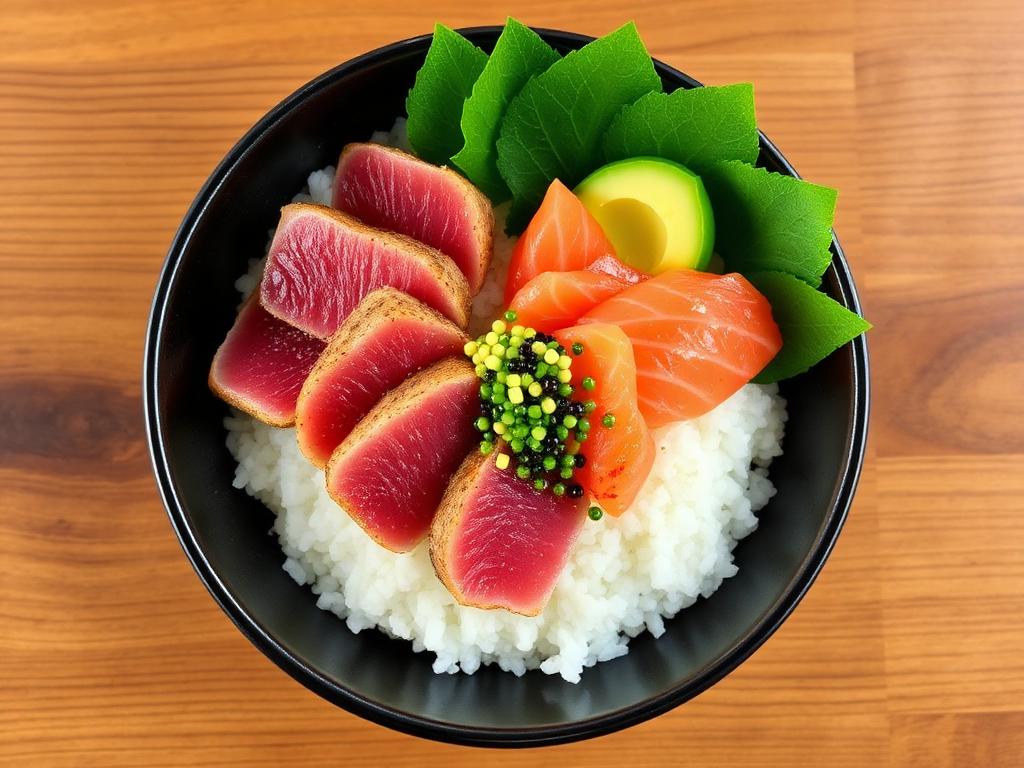
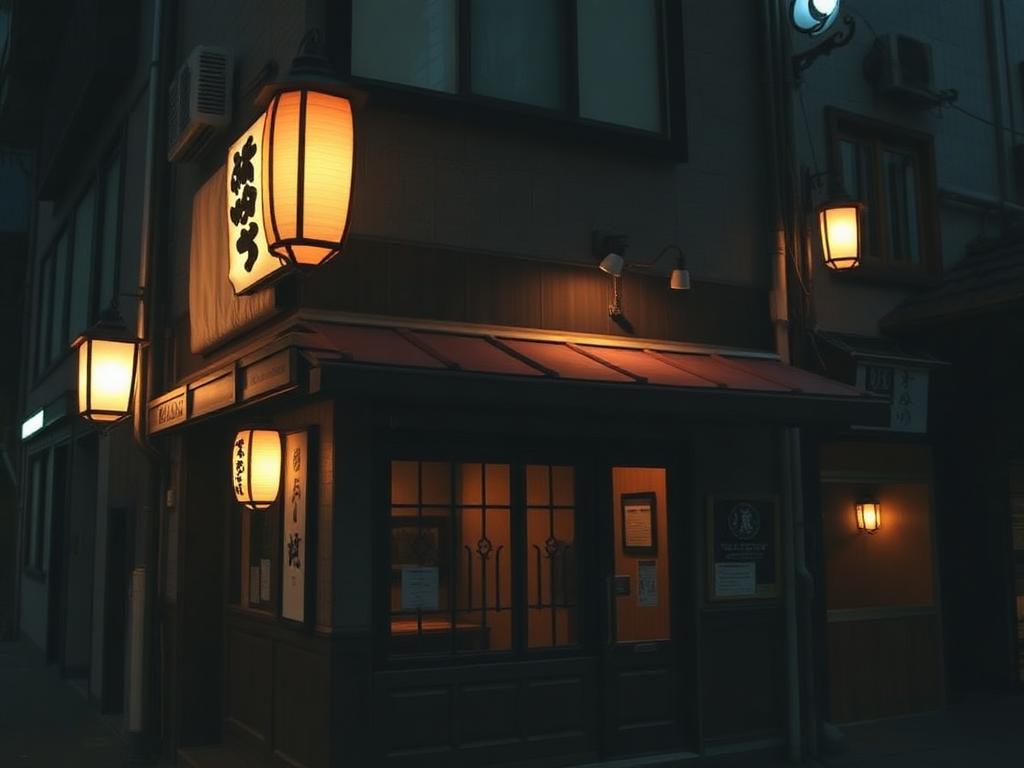
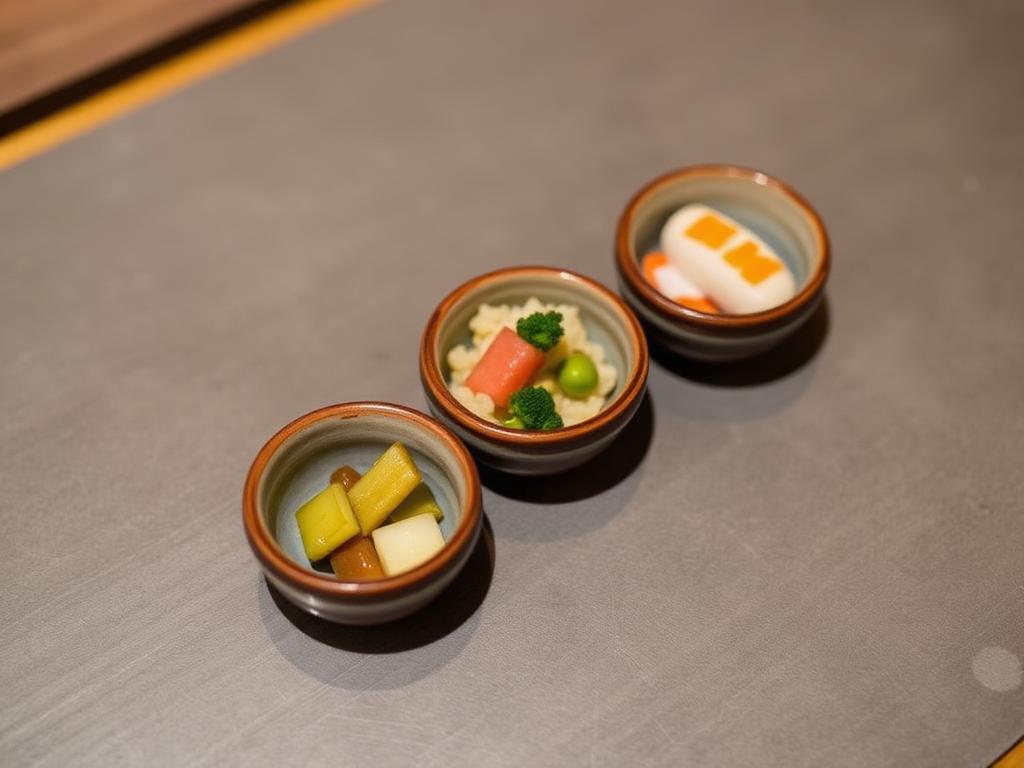
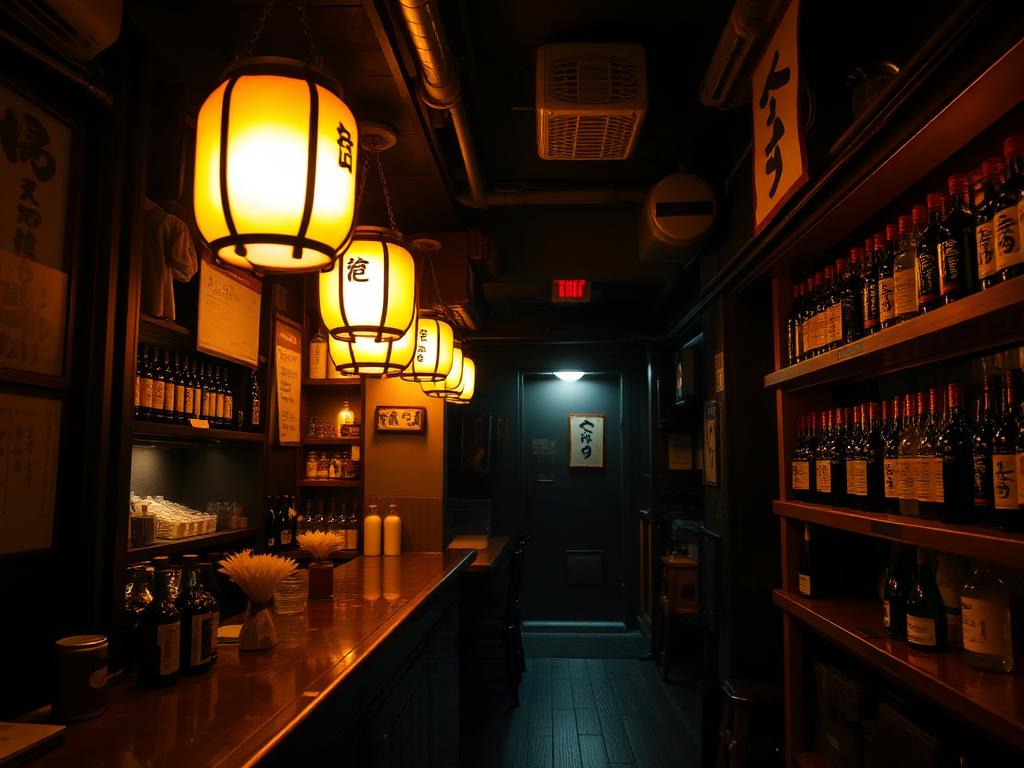
Copenhagen's Japanese dining scene is shaped by the city's deep respect for craft and produce — chef-led omakase counters, kaiseki rooms, and izakaya rooted in tradition. Selected for authenticity, not trend.

At a glance
Curated
11
Types
6
Filter by type
Filter by price
01
Uní — authentic japanese-inspired tasting menu restaurant in Copenhagen, Indre By

Uní

¥¥¥
Indre By · Kaiseki · omakase
Japanese-inspired tasting menuDanish terroirLocal produceJapanese heritage chefOpened November 2024

Opened in November 2024 by Japanese chef Takashi Saito and sommelier Oliver Kudsk (formerly of Umami), Uní is an intimate restaurant where Japanese culinary heritage meets carefully sourced Danish seasonal produce.

View restaurant →
02
Sushi Anaba — authentic edomae omakase sushi restaurant in Copenhagen, Nordhavn

Sushi Anaba

¥¥¥¥
Nordhavn · Sushi · omakase
Edomae omakase sushiMichelin 1 StarNordic-JapaneseCounter diningJapanese-trained chef

Sushi Anaba is Copenhagen's Michelin-starred Edomae sushi counter, where Danish chef Mads Battefeld — trained under masters Hiroyuki Sato and Izumi Kimura in Tokyo — transforms Nordic seafood into traditional nigiri.

View restaurant →
03
Sticks'n'Sushi (Copenhagen — multiple locations) — authentic sushi & yakitori sticks restaurant in Copenhagen, Multiple (V…

Sticks'n'Sushi (Copenhagen — multiple locations)

¥¥¥
Multiple (Vesterbro, Indre By, Frederiksberg, Østerbro, Amager, Nørrebro) · Sushi · a la carte
Sushi & yakitori sticksHalf-Japanese foundersMultiple locationsNordic-JapaneseDesigner interior

Sticks'n'Sushi was founded on March 22, 1994 by half-Japanese brothers Jens and Kim Rahbek Hansen and their brother-in-law Thor Andersen, drawing on their mother Keiko's Japanese heritage to create Copenhagen's original sushi and yakitori sticks restaurant.

View restaurant →
04
Bento Copenhagen — authentic authentic japanese home cooking restaurant in Copenhagen, Vesterbro

Bento Copenhagen

¥¥
Vesterbro · Sushi · a la carte
Authentic Japanese home cookingJapanese-family-runMulti-generationalBentoSake

Bento Copenhagen is a two-generation Japanese family restaurant where owner Daisuke Uki's son crafts sushi, his mother cooks traditional Japanese dishes, and every plate reflects an unbroken family tradition since 1998.

View restaurant →
05
Selfish Sushi — authentic authentic japanese sushi restaurant in Copenhagen, Nørrebro

Selfish Sushi

¥¥
Nørrebro · Sushi · a la carte
Authentic Japanese sushiJapanese-ownedTakeawayNørrebroCounter sushi

Selfish Sushi is a beloved Nørrebro institution run by Japanese chef-owner Kaoru Fujisawa since 2001, widely regarded as Copenhagen's most authentic sushi experience with a small dine-in counter and lively takeaway operation.

View restaurant →
06
Restaurant Tokyo — authentic traditional japanese — sukiyaki & yakiniku restaurant in Copenhagen, Vesterbro

Restaurant Tokyo

¥¥¥
Vesterbro · Izakaya · a la carte
Traditional Japanese — sukiyaki & yakinikuOldest Japanese restaurant ScandinaviaTatami seatingFamily-ownedSukiyaki

Restaurant Tokyo, opened in 1964 and owned by the Nakazawa family since 1978, is the oldest authentic Japanese restaurant in Scandinavia, offering traditional tatami seating and classic dishes like sukiyaki and yakiniku.

View restaurant →
07
Jah Izakaya & Sake Bar — authentic authentic izakaya & sake bar restaurant in Copenhagen, Vesterbro

Jah Izakaya & Sake Bar

¥¥
Vesterbro · Izakaya · a la carte
Authentic izakaya & sake barFirst Copenhagen sake barSeasonal menuBiodynamic produceNatural sake

Jah Izakaya & Sake Bar is Copenhagen's pioneering izakaya, co-founded by Japanese native Satoru Inoue and Danish restaurateur Jonas Hartz, with a kitchen shaped by Japanese chef Shinya Ito (formerly of the Japanese Embassy).

View restaurant →
08
Aotori — authentic traditional yakitori — binchotan charcoal restaurant in Copenhagen, Østerbro

Aotori

¥¥¥
Østerbro · Yakitori · counter
Traditional yakitori — binchotan charcoal8-seat counterBinchotanFrom OsakaJapanese chef

Aotori opened in January 2026 as Copenhagen's dedicated yakitori counter, led by Japanese chef Daichi Suminoe from Osaka, grilling premium chicken and vegetables over binchotan charcoal at a strictly intimate 8-seat bar.

View restaurant →
09
Ramen to Bíiru (Nørrebro) — authentic authentic japanese ramen restaurant in Copenhagen, Nørrebro

Ramen to Bíiru (Nørrebro)

¥¥
Nørrebro · Ramen · casual
Authentic Japanese ramenMikkeller craft beerJapanese vending machine orderingShio/Shoyu/Miso ramen

Ramen to Bíiru is the Tokyo-meets-Copenhagen ramen concept co-founded by Mikkeller's Mikkel Borg Bjergsø, Japanese restaurateur Daisuke Uki, and Japanese ramen chef Takuro Otani, who relocated from Japan specifically to bring his craft to Copenhagen.

View restaurant →
11
Akaton — authentic tonkatsu teishoku restaurant in Copenhagen, Østerbro

Akaton

¥¥
Østerbro · Donburi · casual
Tonkatsu teishokuWalk-ins welcomeTonkatsuJapanese set mealSourdough panko

Akaton is Copenhagen's first dedicated tonkatsu restaurant, sharing a building with yakitori counter Aotori, serving traditional Japanese set meals of breaded pork cutlet with rice, miso soup, shredded cabbage, and house pickles.

View restaurant →
FAQ

Questions, answered.

What makes a Japanese restaurant in Copenhagen authentic?
In Copenhagen, we look for the same signals we apply globally: a chef grounded in Japanese technique, ingredients and preparation consistent with Japanese practice, and a focused format (sushi-ya, ramen-ya, izakaya, kaiseki, etc.) rather than a generalist Asian menu. Local sourcing is fine — what matters is how the kitchen treats the tradition.
How do you define authenticity?
Washoku Guide defines authenticity by the kitchen's grounding in Japanese culinary tradition: trained chefs (often in Japan), techniques and ingredients consistent with Japanese practice, a focused menu rather than a pan-Asian one, and a coherent dining format (sushi-ya, ramen-ya, izakaya, kaiseki, etc.). We weigh these signals together — no single factor decides.
Do you require Japanese ownership?
No. Japanese ownership is one positive signal, but it is not required. We also recognise restaurants with Japanese-led kitchens or non-Japanese chefs who have trained extensively in Japan and apply traditional techniques with discipline. What matters is the cooking, not the passport.
How are restaurants selected?
Each entry is researched and chosen by Washoku Guide editors — not voted in, not paid for, and not algorithmically ranked. We read kitchen biographies, study menus, talk to people in the industry, and visit when possible. Restaurants pay nothing to be listed.
Are the listings ranked?
No. Washoku Guide is a curated guide, not a ranking. Order on a city page is editorial and may change as the guide evolves; it does not imply that #1 is better than #5. Every listed restaurant has met our authenticity bar.
How often is the Copenhagen guide updated?
We revisit each city periodically and update entries when restaurants open, close, change hands, or change kitchens. If you spot something out of date, please let us know.