← All cities
Germany

Berlin.

Berlin's Japanese dining scene is small but serious — chef-led ramen counters, Mitte izakaya rooms, and a handful of veteran sushi spots. Selected for authenticity, not hype.

At a glance
Curated
27
Types
5
Filter by type
Filter by price
05
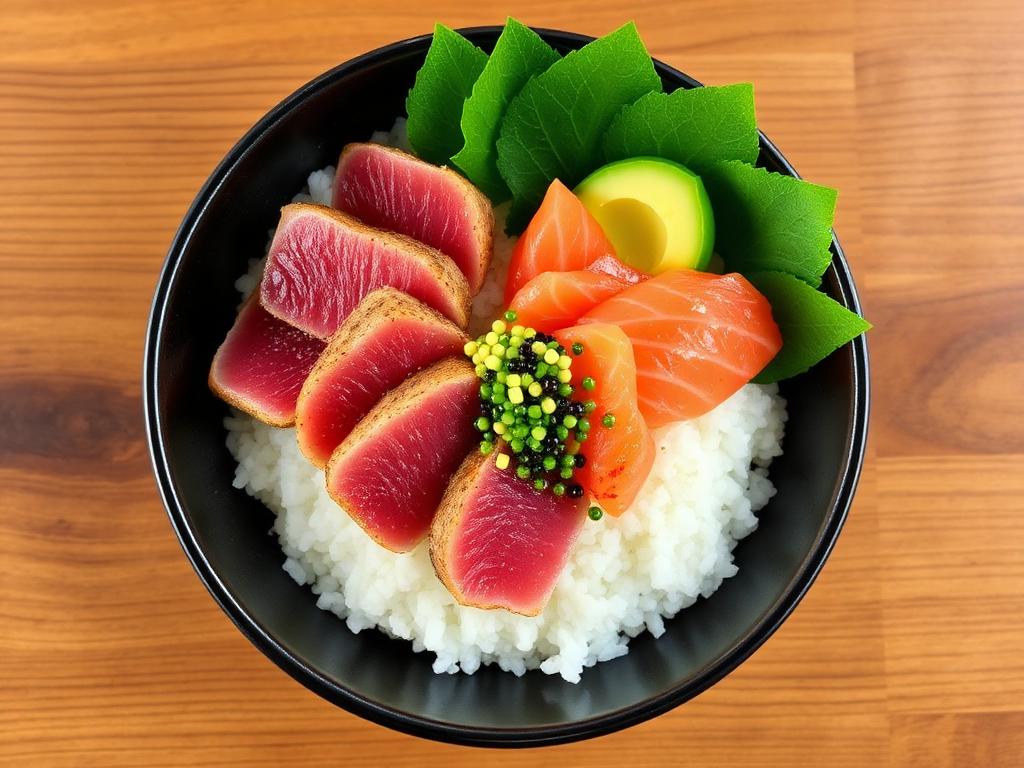
SAN — authentic sushi restaurant in Berlin, Mitte

SAN

¥¥¥
Mitte · Sushi · counter
SushiSushiSashimiSakeMitte

Im SAN in Mitte praktizieren die Kindheitsfreunde Tomoya Sakashita und Takeshi Seto aus Ishikawa kompromissloses japanisches Sushi – traditionell, präzise und ohne Fusionskompromisse.

View restaurant →
15
Tori Katsu — authentic tonkatsu restaurant in Berlin, Schöneberg

Tori Katsu

¥
Schöneberg · Donburi · casual
TonkatsuTonkatsuKatsu CurrySchönebergDeutschlands erster japanischer Imbiss

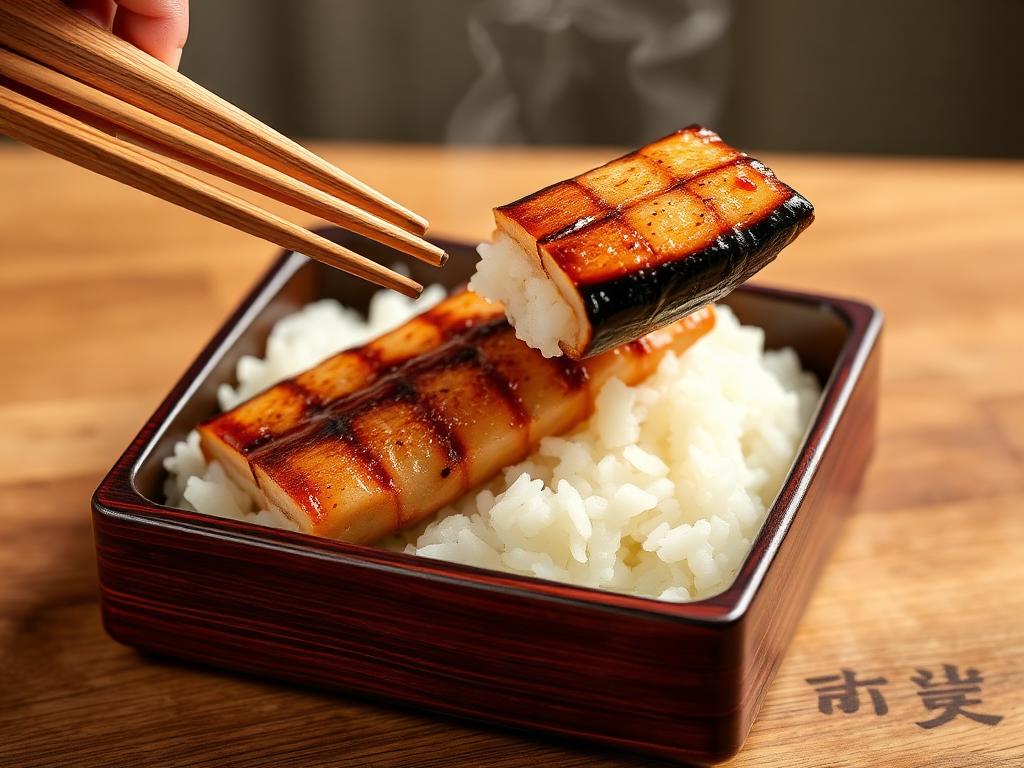
Tori Katsu am Winterfeldtmarkt in Schöneberg ist ein lebendiges Stück Berliner Zeitgeschichte: Seit 1968 – Deutschlands erster japanischer Imbiss – wird hier knuspriger Tonkatsu und Katsu Curry serviert.

View restaurant →
18
OKA Onigiri — authentic onigiri restaurant in Berlin, Mitte

OKA Onigiri

¥
Mitte · Donburi · casual
OnigiriOnigiriChef's TableMitteOranienburger Straße

OKA Onigiri ist Berlins erstes Onigiri-Chef's-Table: Japanerin Kaoru Iriyama formt 2025 in der Oranienburger Straße mit Kaiseki-Präzision handgemachte Reisdreiecke – simpel, seelenvoll, revolutionär.

View restaurant →
27
Flatto — authentic donburi restaurant in Berlin, Mitte

Flatto

¥¥
Mitte · Donburi · casual
DonburiDonburiTeishokuBentoJapanisch

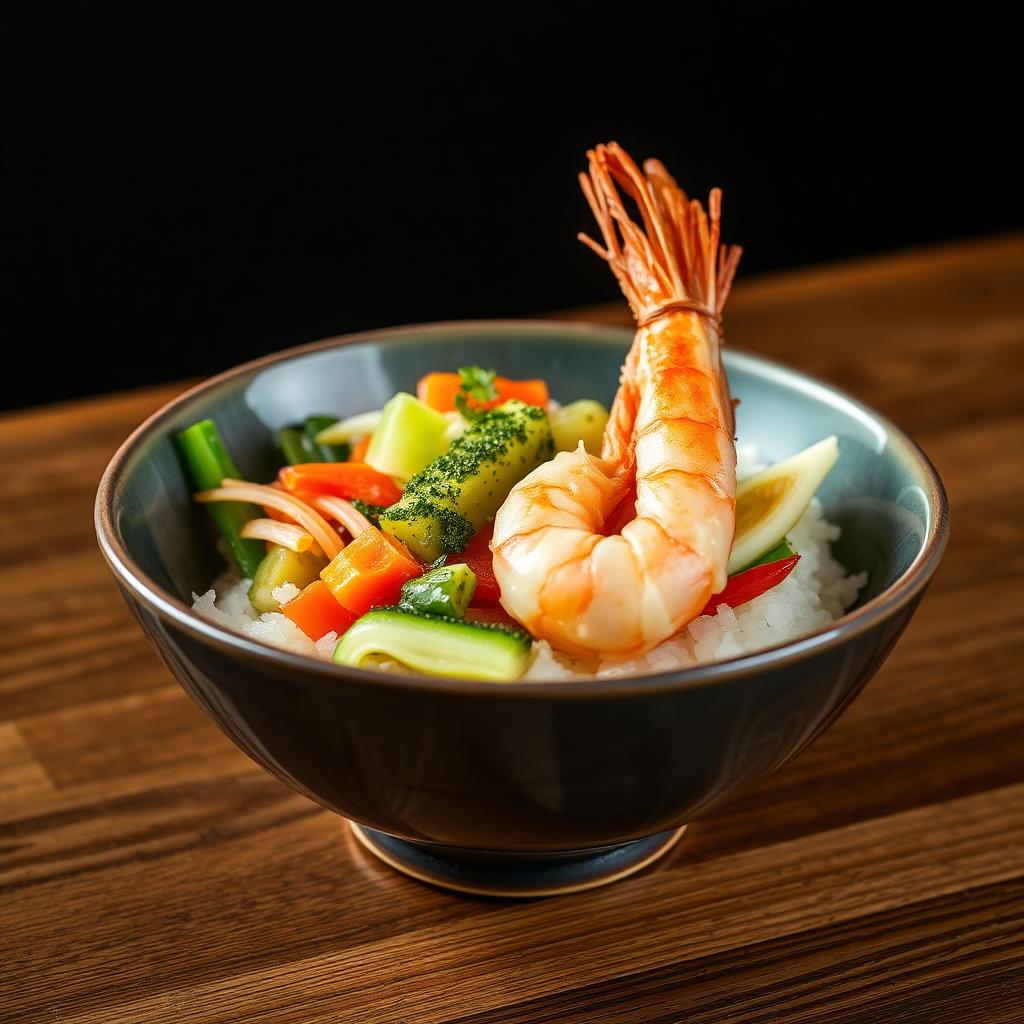
Flatto in Mitte – Berlins neues japanisches Teishoku-Lunch­lokal von Chef Soshi: traditionelle Ichiju-Sansai-Menüs (Karaage, Tonkatsu) in einem historischen Metzgereibau von 1934, nur wochentags.

View restaurant →
FAQ

Questions, answered.

What makes a Japanese restaurant in Berlin authentic?
In Berlin, we look for the same signals we apply globally: a chef grounded in Japanese technique, ingredients and preparation consistent with Japanese practice, and a focused format (sushi-ya, ramen-ya, izakaya, kaiseki, etc.) rather than a generalist Asian menu. Local sourcing is fine — what matters is how the kitchen treats the tradition.
How do you define authenticity?
Washoku Guide defines authenticity by the kitchen's grounding in Japanese culinary tradition: trained chefs (often in Japan), techniques and ingredients consistent with Japanese practice, a focused menu rather than a pan-Asian one, and a coherent dining format (sushi-ya, ramen-ya, izakaya, kaiseki, etc.). We weigh these signals together — no single factor decides.
Do you require Japanese ownership?
No. Japanese ownership is one positive signal, but it is not required. We also recognise restaurants with Japanese-led kitchens or non-Japanese chefs who have trained extensively in Japan and apply traditional techniques with discipline. What matters is the cooking, not the passport.
How are restaurants selected?
Each entry is researched and chosen by Washoku Guide editors — not voted in, not paid for, and not algorithmically ranked. We read kitchen biographies, study menus, talk to people in the industry, and visit when possible. Restaurants pay nothing to be listed.
Are the listings ranked?
No. Washoku Guide is a curated guide, not a ranking. Order on a city page is editorial and may change as the guide evolves; it does not imply that #1 is better than #5. Every listed restaurant has met our authenticity bar.
How often is the Berlin guide updated?
We revisit each city periodically and update entries when restaurants open, close, change hands, or change kitchens. If you spot something out of date, please let us know.