← All cities
Sweden

Stockholm.

Stockholm's Japanese dining scene is small but precise — chef-led sushi counters and izakaya rooms shaped by Nordic seafood access and a quiet tradition of Japanese craft. Selected for authenticity, not hype.

At a glance
Curated
6
Types
5
Filter by type
Filter by price
01
Washoku TOMO — authentic washoku omakase restaurant in Stockholm, Södermalm

Washoku TOMO

¥¥¥
Södermalm · Kaiseki · omakase
Washoku omakaseMichelin-selectedJapanese-ownedOmakaseSödermalm

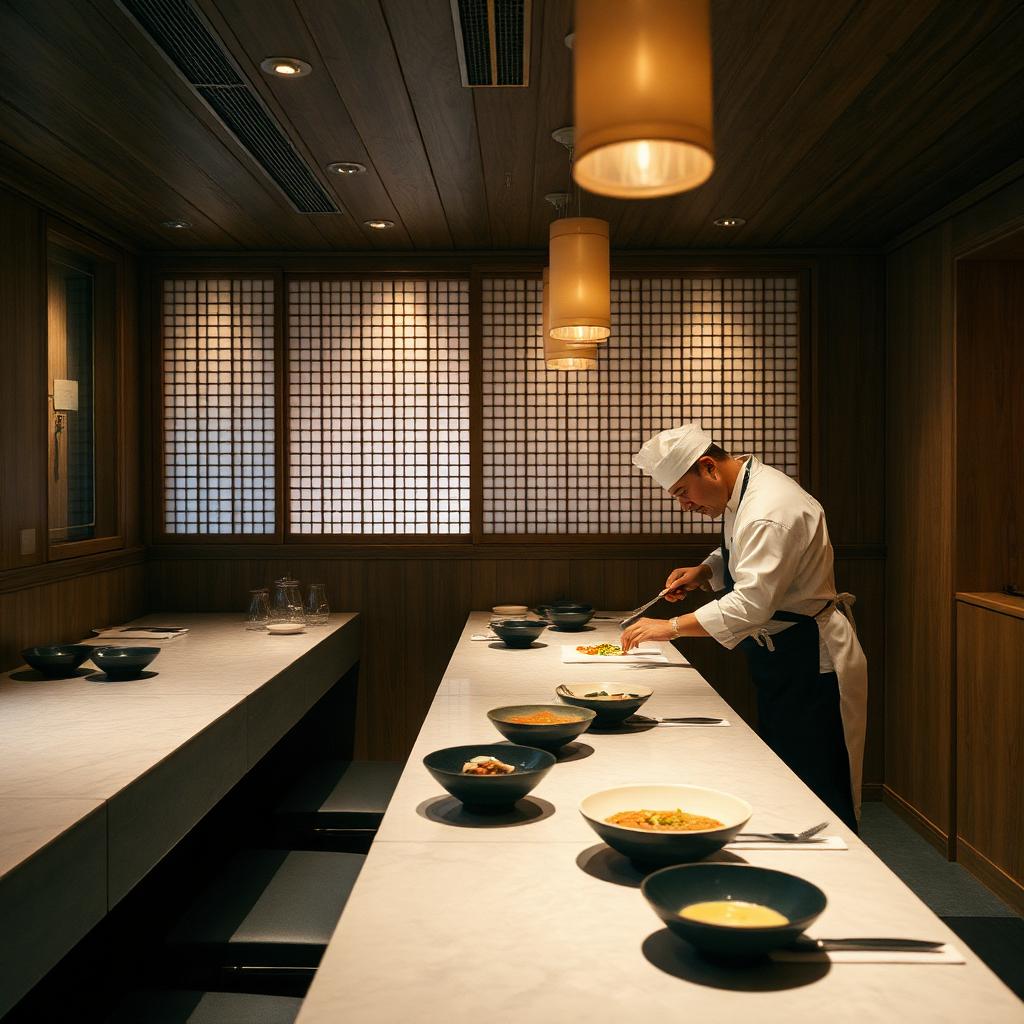
Washoku TOMO is one of Stockholm's most remarkable dining experiences: a Michelin-listed Japanese omakase restaurant run entirely by Japanese chef-owner Tomoko Hayashi, who cooks, serves, and manages every aspect alone. Her ~17-course menu of washoku-influenced dishes showcases seafood from around the world with characteristic Japanese precision.

View restaurant →
02
Sushi Sho — authentic edomae omakase sushi restaurant in Stockholm, Vasastan

Sushi Sho

¥¥¥¥
Vasastan · Sushi · omakase
Edomae omakase sushiMichelin 1 StarJapanese-ownedOmakaseVasastan

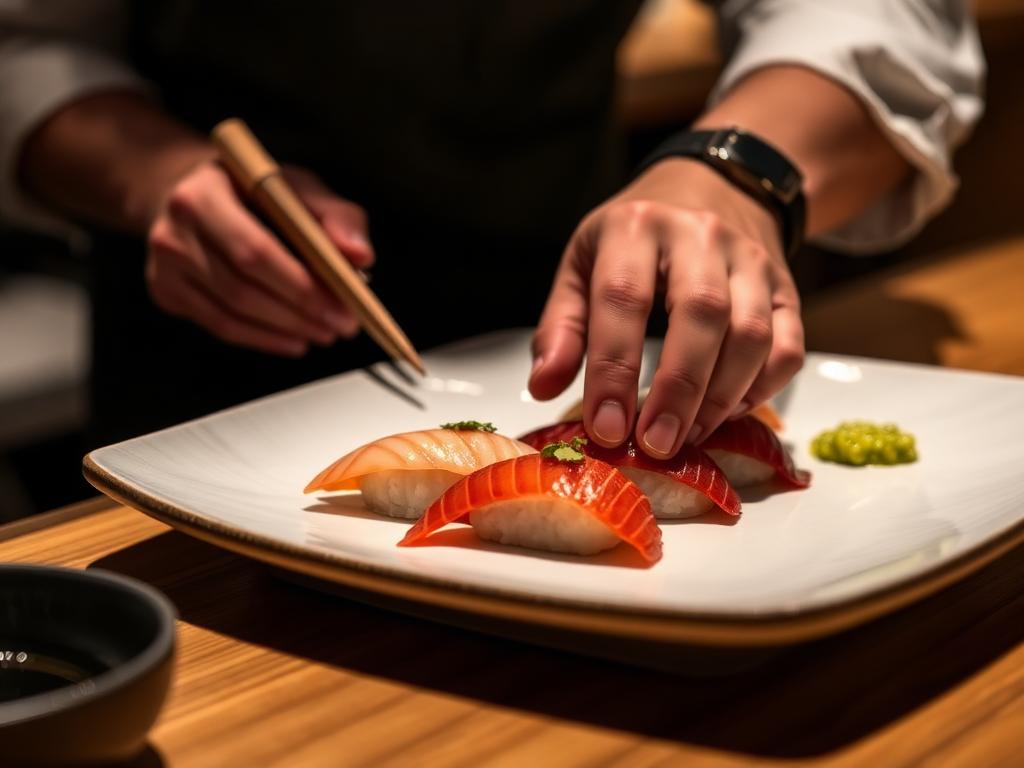
Sushi Sho is Stockholm's only Michelin-starred sushi restaurant and the first Asian restaurant in Sweden to receive the accolade, earned in 2016. Chef-owner Carl Ishizaki has spent over 20 years mastering Edomae sushi, serving all 12 counter guests simultaneously with a signature soy-cured egg and a meticulously chosen sake menu.

View restaurant →
03
Maru — authentic japanese sushi & ramen restaurant in Stockholm, Östermalm

Maru

¥¥
Östermalm · Sushi · a la carte
Japanese sushi & ramenJapanese-led kitchenSushiRamenÖstermalm

Maru is a small, casual Japanese restaurant on Lützengatan in Östermalm where Japanese chef Yukio Maruyama — who holds firmly to Japanese food traditions — serves authentic sushi and ramen to a loyal neighbourhood following. Karlaplan metro station is steps away.

View restaurant →
04
Blue Light Yokohama — authentic japanese izakaya restaurant in Stockholm, Södermalm

Blue Light Yokohama

¥¥
Södermalm · Izakaya · a la carte
Japanese izakayaJapanese-ownedIzakayaSunday ramenSödermalm

Blue Light Yokohama is a Japanese-owned and Japanese-led izakaya in Södermalm, founded by Tom Ishidori — who moved from Japan to the USA and then to Sweden — and beloved by Stockholm's Japanese expat community for its authentic cooking and famous Sunday ramen.

View restaurant →
05
Miyakodori — authentic izakaya & yakitori restaurant in Stockholm, Vasastan

Miyakodori

¥¥
Vasastan · Yakitori · a la carte
Izakaya & yakitoriJapanese-led kitchenYakitoriCharcoal grillVasastan

Miyakodori is a Stockholm izakaya co-founded by Max Westerlund Inazawa — whose Japanese surname reflects heritage that took him to work at the original Miyakodori izakaya in Kawasaki, Japan — serving charcoal-grilled yakitori and authentic izakaya dishes since October 2022.

View restaurant →
06
Tan Tan Dan — authentic japanese tantanmen noodles restaurant in Stockholm, Norrmalm

Tan Tan Dan

¥¥
Norrmalm · Ramen · casual
Japanese tantanmen noodlesJapanese-ownedRamenTantanmenNorrmalm

Tan Tan Dan is a 6-seat ramen micro-restaurant on Regeringsgatan co-owned by Japanese couple Yuki (sushi chef, from Osaka) and her husband (ramen specialist trained in Japan). They opened in mid-2025 to serve their signature Japanese tantanmen — sesame and spice-forward — with housemade noodles and broth.

View restaurant →
FAQ

Questions, answered.

What makes a Japanese restaurant in Stockholm authentic?
In Stockholm, we look for the same signals we apply globally: a chef grounded in Japanese technique, ingredients and preparation consistent with Japanese practice, and a focused format (sushi-ya, ramen-ya, izakaya, kaiseki, etc.) rather than a generalist Asian menu. Local sourcing is fine — what matters is how the kitchen treats the tradition.
How do you define authenticity?
Washoku Guide defines authenticity by the kitchen's grounding in Japanese culinary tradition: trained chefs (often in Japan), techniques and ingredients consistent with Japanese practice, a focused menu rather than a pan-Asian one, and a coherent dining format (sushi-ya, ramen-ya, izakaya, kaiseki, etc.). We weigh these signals together — no single factor decides.
Do you require Japanese ownership?
No. Japanese ownership is one positive signal, but it is not required. We also recognise restaurants with Japanese-led kitchens or non-Japanese chefs who have trained extensively in Japan and apply traditional techniques with discipline. What matters is the cooking, not the passport.
How are restaurants selected?
Each entry is researched and chosen by Washoku Guide editors — not voted in, not paid for, and not algorithmically ranked. We read kitchen biographies, study menus, talk to people in the industry, and visit when possible. Restaurants pay nothing to be listed.
Are the listings ranked?
No. Washoku Guide is a curated guide, not a ranking. Order on a city page is editorial and may change as the guide evolves; it does not imply that #1 is better than #5. Every listed restaurant has met our authenticity bar.
How often is the Stockholm guide updated?
We revisit each city periodically and update entries when restaurants open, close, change hands, or change kitchens. If you spot something out of date, please let us know.