← All cities
United States

Boston.

Boston's Japanese dining scene is compact but serious — chef-led sushi counters, izakaya rooms, and ramen specialists shaped by the city's academic ties to Japan and Atlantic seafood access. Selected for authenticity, not hype.

At a glance
Curated
13
Types
5
Filter by type
Filter by price
03
Cafe Sushi (Cafe Sushi Nisei) — authentic japanese-american second-generation sushi restaurant in Boston, Harvard Square, …

Cafe Sushi (Cafe Sushi Nisei)

¥¥¥
Harvard Square, Cambridge · Sushi · a la carte
Japanese-American second-generation sushiJapanese-ownedHarvard SquareJames Beard nomineeReopened 2025

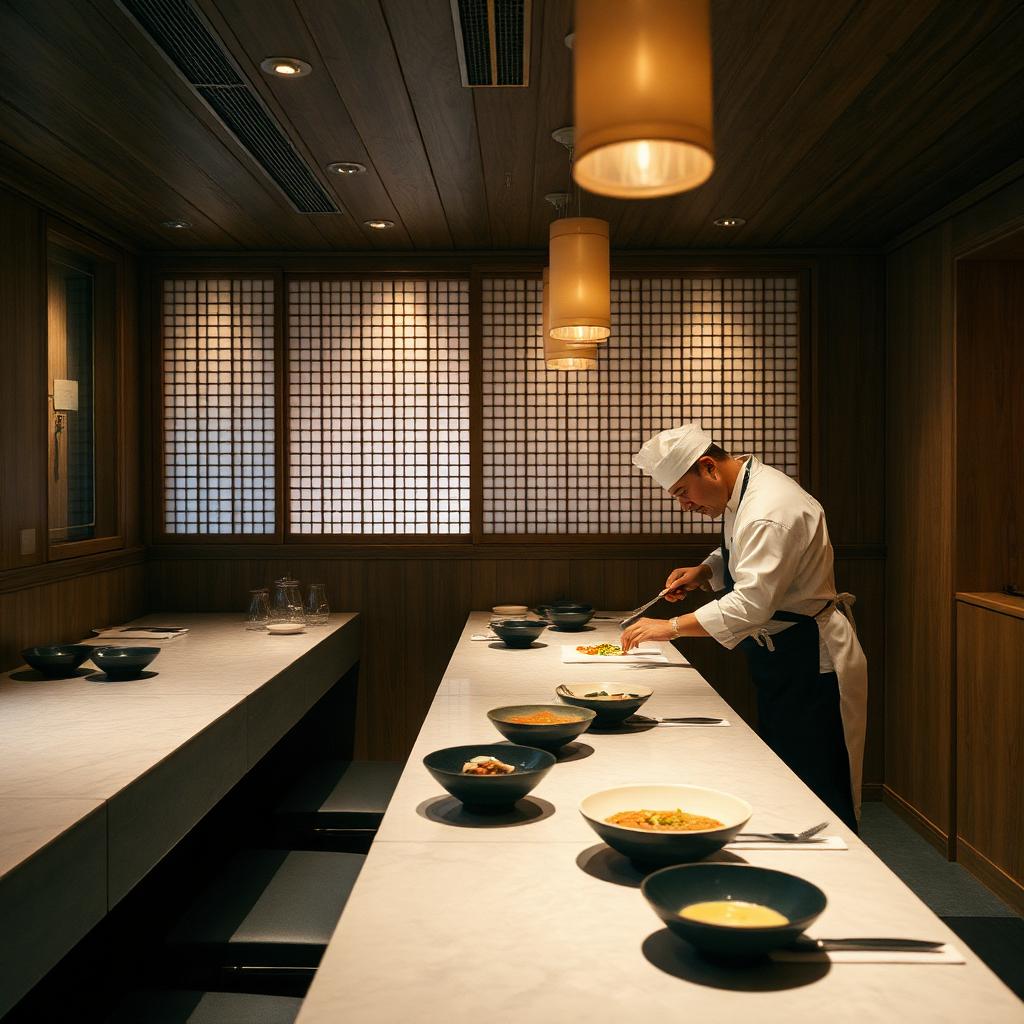
Founded in 1984 by Japanese immigrant parents, Cafe Sushi in Harvard Square passed to second-generation Japanese-American owner Seizi Imura — a James Beard Award nominee who trained under sushi master Mitsunori Kusakabe. Reopened as Cafe Sushi Nisei in December 2025 with a sake bar, modern nigiri, and the same multigenerational Japanese family commitment.

View restaurant →
05
Gyu-Kaku — authentic japanese yakiniku bbq restaurant in Boston, Harvard Square, Cambridge

Gyu-Kaku

¥¥¥
Harvard Square, Cambridge · Izakaya · a la carte
Japanese yakiniku BBQJapanese corporateHarvard SquareYakinikuHappy hour specials

Gyu-Kaku is a Japanese yakiniku (grilled meat) chain founded in Japan in the mid-1990s and operated internationally by Reins International of Yokohama. The Harvard Square location offers the full tabletop grilling experience — an array of marinated meats, vegetables, and seafood cooked at personal grills — with consistent happy-hour deals and a lively social atmosphere.

View restaurant →
06
Ittoku (Izakaya Ittoku) — authentic japanese izakaya — yakitori and small plates restaurant in Boston, Porter Square, Camb…

Ittoku (Izakaya Ittoku)

¥¥
Porter Square, Cambridge · Izakaya · a la carte
Japanese izakaya — yakitori and small platesJapanese-ownedPorter Square CambridgeMulti-ownerYakitori

Izakaya Ittoku is jointly owned by four Japanese partners — including yakitori specialist Sho Inoue and former sushi chef Kentaro Suzuki — and has served Porter Square in Cambridge since 2013 (originally in Allston, relocated to the current Massachusetts Avenue location). It offers a menu of genuine izakaya dishes: yakitori skewers, Japanese snacks, sake, and cocktails in a casual but authentic setting.

View restaurant →
09
Ganko Ittetsu Ramen — authentic sapporo-style ramen restaurant in Boston, Coolidge Corner, Brookline

Ganko Ittetsu Ramen

¥¥
Coolidge Corner, Brookline · Ramen · casual
Sapporo-style ramenJapanese-ownedCoolidge Corner BrooklineNishiyama noodlesTokyo-born owner

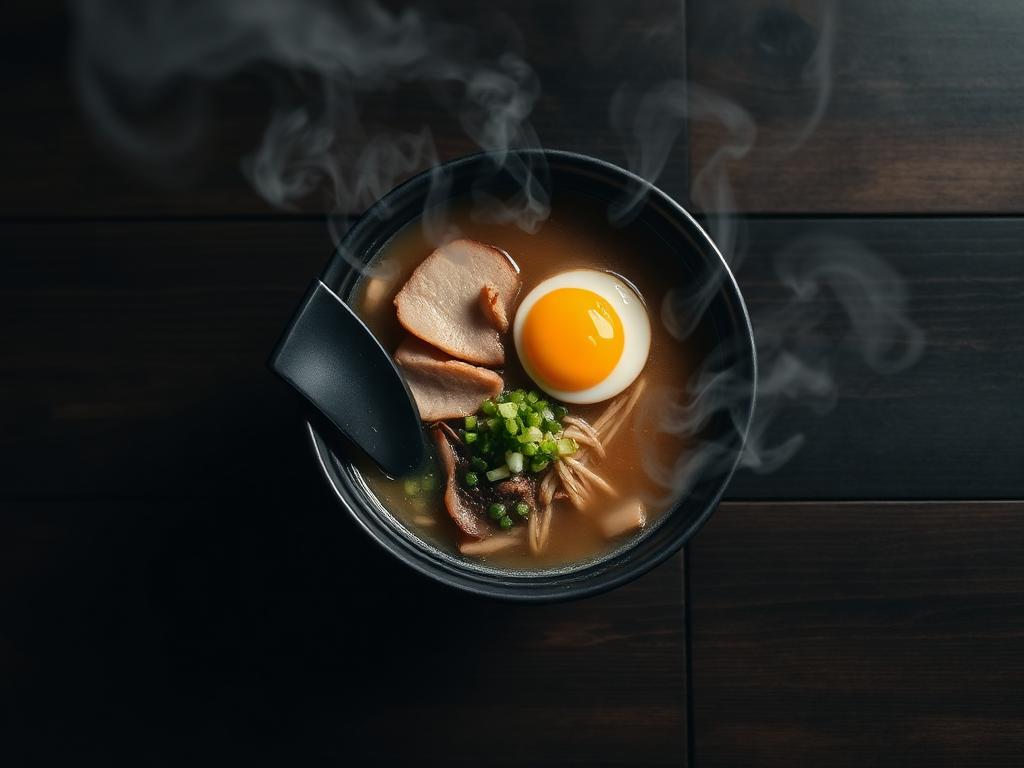
Chef-owner Kenichi Iwaoka was born and raised in Tokyo before coming to Boston, where he co-owned Osushi and eventually launched Ganko Ittetsu Ramen in Coolidge Corner. His Sapporo-style broth uses noodles from Nishiyama — Hokkaido's oldest and most respected noodle manufacturer — shipped fresh from Japan weekly.

View restaurant →
10
Hokkaido Ramen Santouka — authentic hokkaido shio ramen restaurant in Boston, Harvard Square, Cambridge

Hokkaido Ramen Santouka

¥¥
Harvard Square, Cambridge · Ramen · casual
Hokkaido shio ramenJapanese corporate chainHarvard SquareHokkaido origin60+ global locations

Founded in Hokkaido, Japan in 1988 as a nine-seat family shop, Hokkaido Ramen Santouka has grown to 60+ locations in 10 countries while maintaining Japanese corporate ownership through Reins International. The Harvard Square Cambridge location is one of two in the Boston area, serving the chain's signature shio (salt-based) ramen that first made Santouka famous in northern Japan.

View restaurant →
11
Yume Wo Katare — authentic jiro-style pork ramen restaurant in Boston, Porter Square, Cambridge

Yume Wo Katare

¥
Porter Square, Cambridge · Ramen · casual
Jiro-style pork ramenJapanese-ownedPorter SquareCommunal diningDream-sharing tradition

Founded in 2012 by Tsuyoshi Nishioka — a Japanese ramen master who modeled the concept on his Japan ramen shops — Yume Wo Katare ('to speak of dreams') is as much a cultural experience as it is a restaurant. The single-item Jiro-style pork ramen, massive communal hall seating, and post-meal dream-sharing ritual have made it one of Cambridge's most beloved institutions.

View restaurant →
12
Yume Ga Arukara — authentic japanese udon and noodles restaurant in Boston, Porter Square, Cambridge / Seaport, Boston

Yume Ga Arukara

¥¥
Porter Square, Cambridge / Seaport, Boston · Donburi · casual
Japanese udon and noodlesJapanese-led kitchenPorter Square SeaportBon Appétit top 50Tokyo-born chef

Opened in 2017 as a sibling to Yume Wo Katare, Yume Ga Arukara ('because there are dreams') serves handmade udon noodles under Tokyo-born chef Tomohiro Shinoda, who was trained by Japanese ramen master Tsuyoshi Nishioka. Named a Bon Appétit top new US restaurant in 2018, it now operates at Porter Square and a second Seaport location opened in 2024.

View restaurant →
FAQ

Questions, answered.

What makes a Japanese restaurant in Boston authentic?
In Boston, we look for the same signals we apply globally: a chef grounded in Japanese technique, ingredients and preparation consistent with Japanese practice, and a focused format (sushi-ya, ramen-ya, izakaya, kaiseki, etc.) rather than a generalist Asian menu. Local sourcing is fine — what matters is how the kitchen treats the tradition.
How do you define authenticity?
Washoku Guide defines authenticity by the kitchen's grounding in Japanese culinary tradition: trained chefs (often in Japan), techniques and ingredients consistent with Japanese practice, a focused menu rather than a pan-Asian one, and a coherent dining format (sushi-ya, ramen-ya, izakaya, kaiseki, etc.). We weigh these signals together — no single factor decides.
Do you require Japanese ownership?
No. Japanese ownership is one positive signal, but it is not required. We also recognise restaurants with Japanese-led kitchens or non-Japanese chefs who have trained extensively in Japan and apply traditional techniques with discipline. What matters is the cooking, not the passport.
How are restaurants selected?
Each entry is researched and chosen by Washoku Guide editors — not voted in, not paid for, and not algorithmically ranked. We read kitchen biographies, study menus, talk to people in the industry, and visit when possible. Restaurants pay nothing to be listed.
Are the listings ranked?
No. Washoku Guide is a curated guide, not a ranking. Order on a city page is editorial and may change as the guide evolves; it does not imply that #1 is better than #5. Every listed restaurant has met our authenticity bar.
How often is the Boston guide updated?
We revisit each city periodically and update entries when restaurants open, close, change hands, or change kitchens. If you spot something out of date, please let us know.