← All cities
United States

Los Angeles.
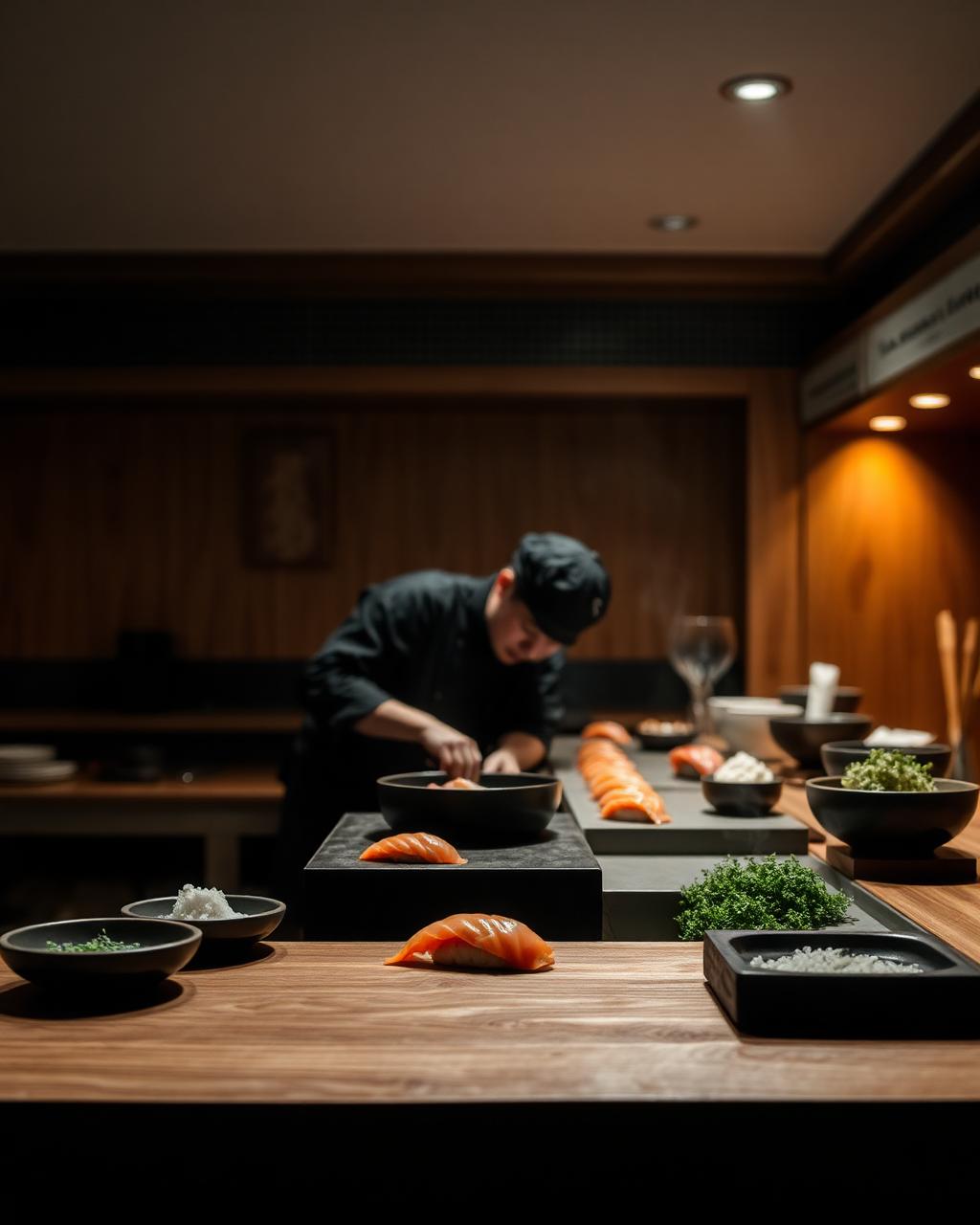
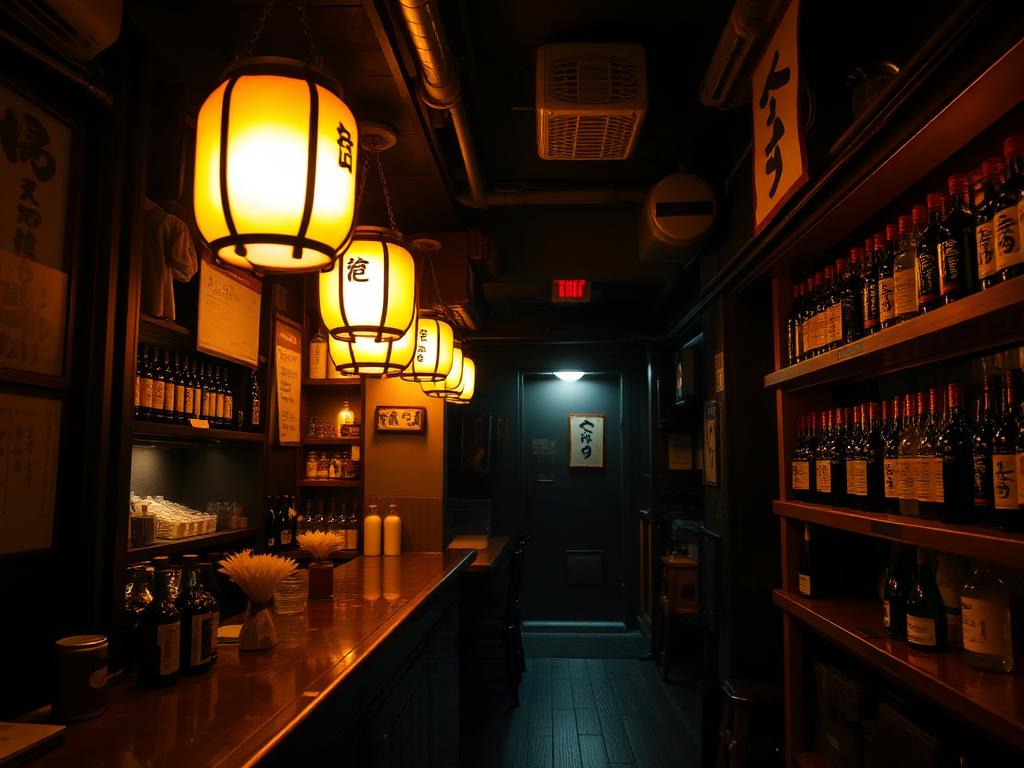
Los Angeles has one of the deepest Japanese dining scenes outside Japan — from veteran sushi counters in Beverly Hills to kaiseki and izakaya across the Westside and South Bay.
At a glance
Curated
182
Types
7
Filter by type
Filter by price
79
Mitsuru Cafe — authentic donburi restaurant in Los Angeles, Little Tokyo

Mitsuru Cafe

¥
Little Tokyo · Donburi · casual
DonburiMochiImagawayakiJapanese SnacksLittle Tokyo

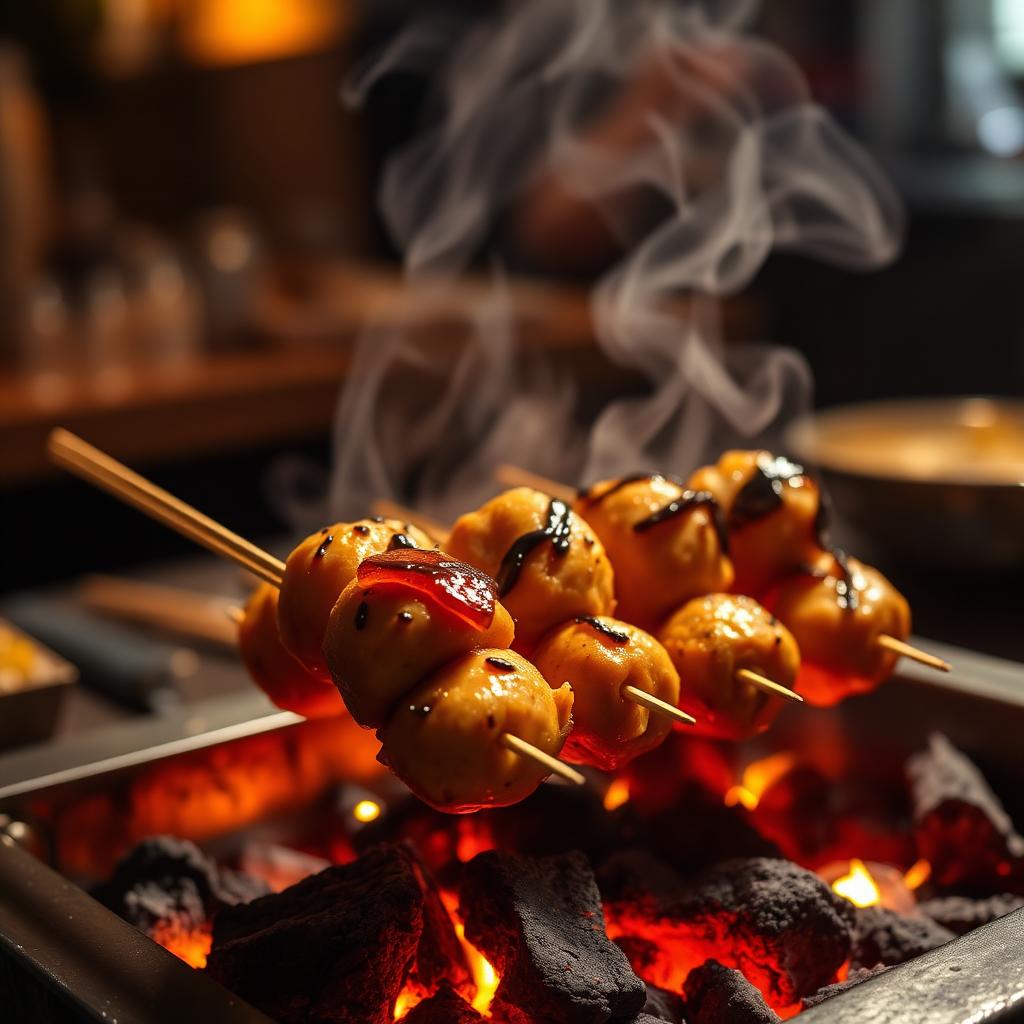
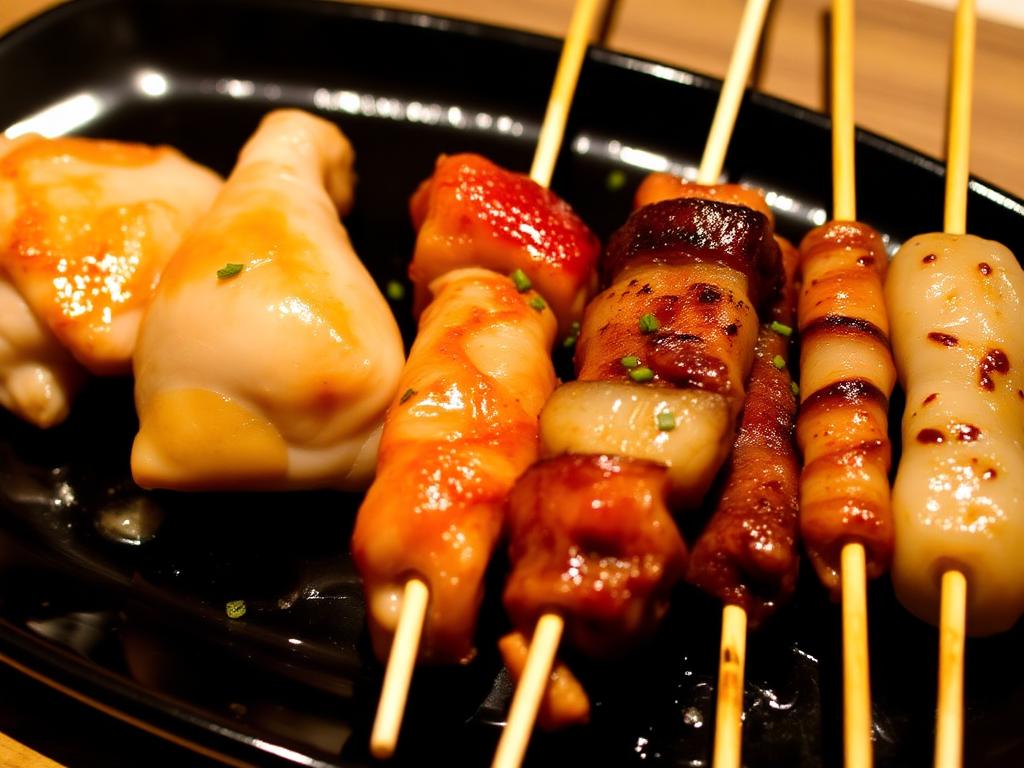
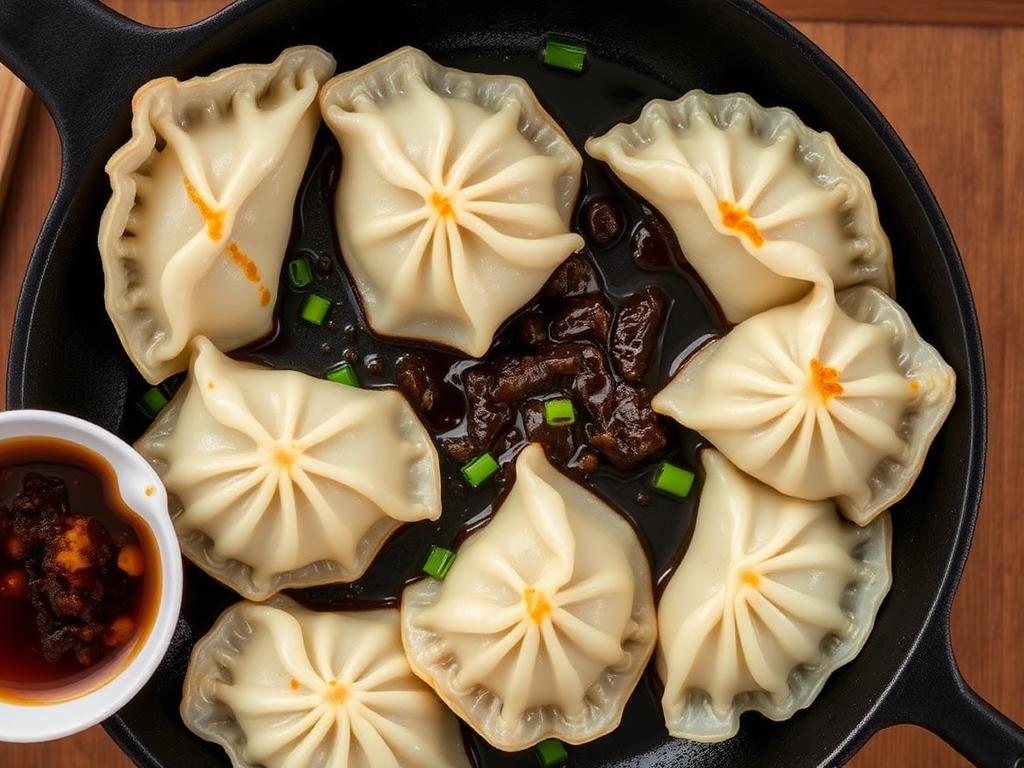
A Little Tokyo institution since 1968 — Mitsuru Cafe is best known for its fresh-made imagawayaki (round Japanese cakes filled with red bean or custard), sold from the storefront on Japanese Village Plaza Mall.

View restaurant →
162
n/naka — authentic kaiseki restaurant in Los Angeles, Palms

n/naka

¥¥¥¥
Palms · Kaiseki · omakase
KaisekiKaisekiOmakaseFine DiningMichelin

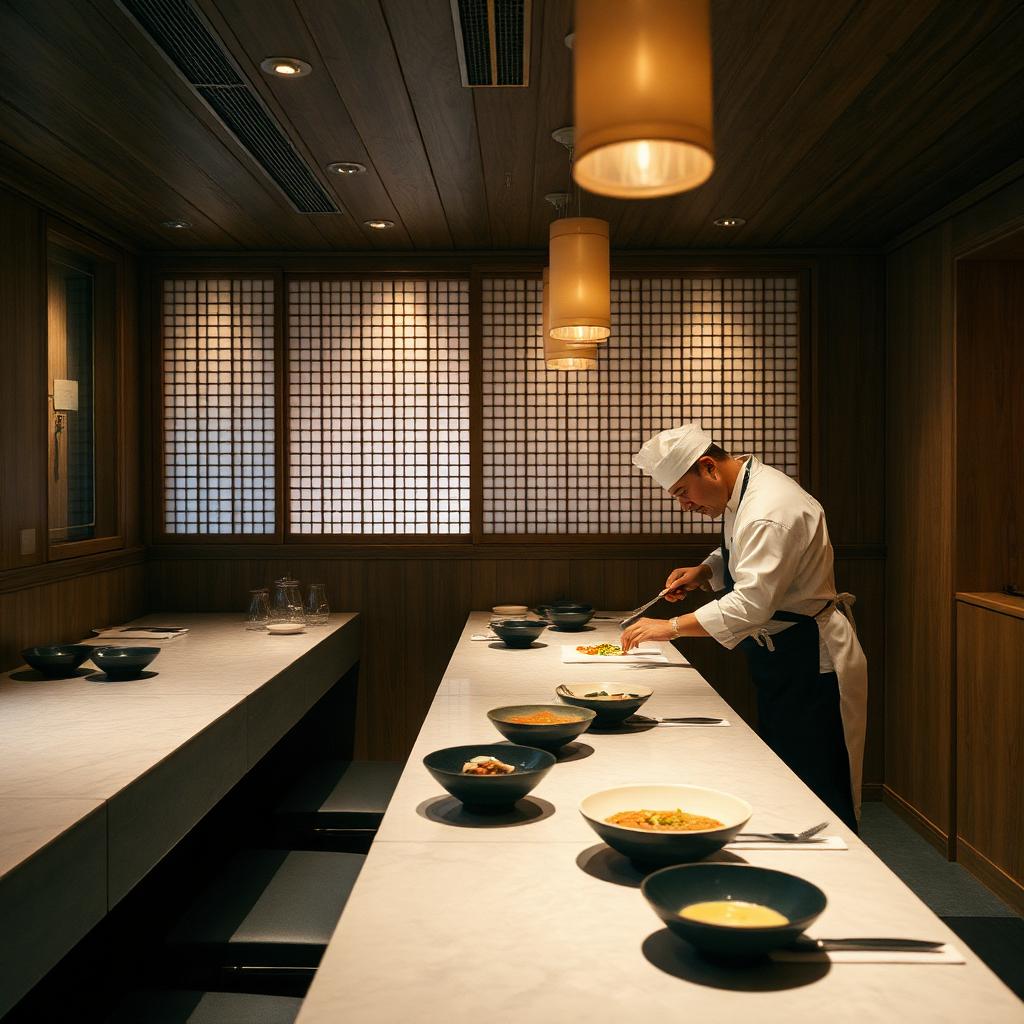
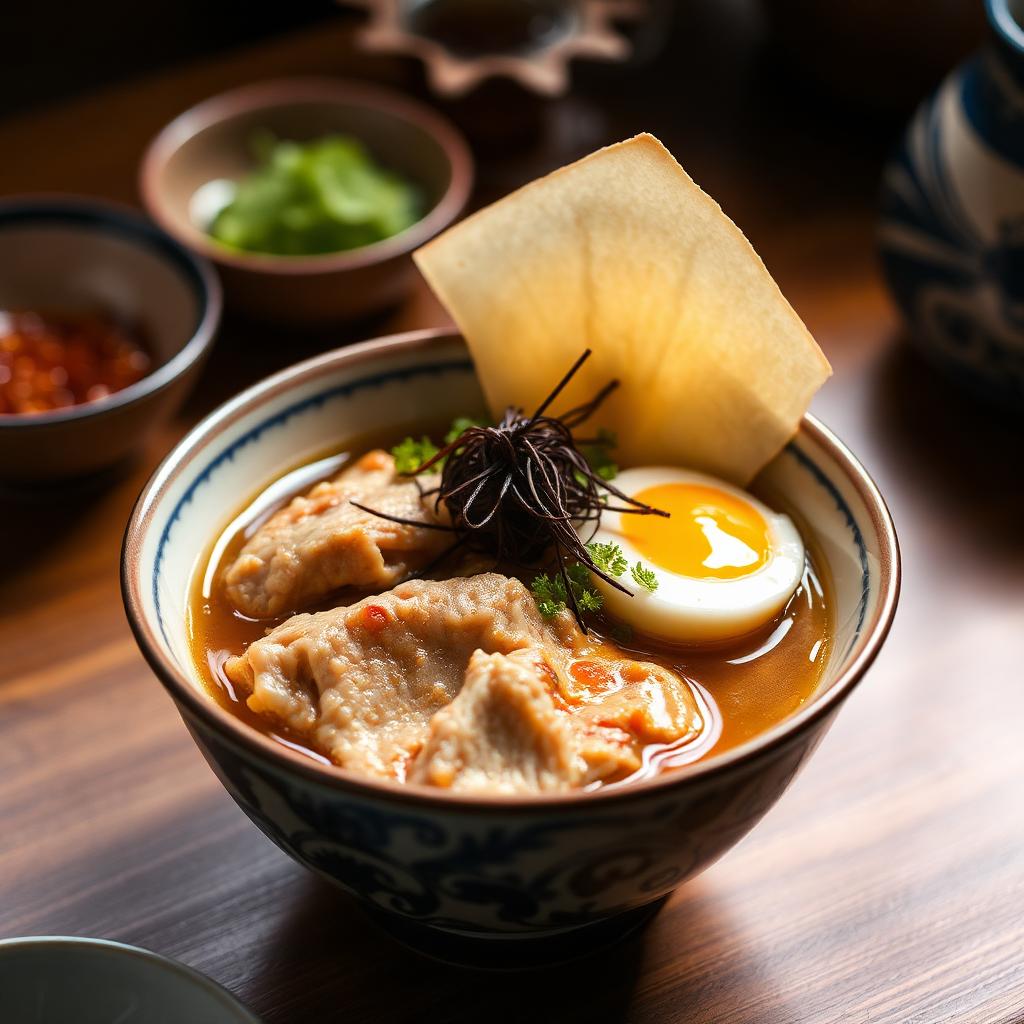
Chef Niki Nakayama's two-Michelin-star California kaiseki in Palms — a 13-course seasonal progression that fuses traditional Japanese technique with local produce, documented on Netflix's Chef's Table.

View restaurant →
166
Morihiro — authentic sushi restaurant in Los Angeles, Echo Park

Morihiro

¥¥¥¥
Echo Park · Sushi · omakase
SushiOmakaseEdomaeFine DiningMichelin

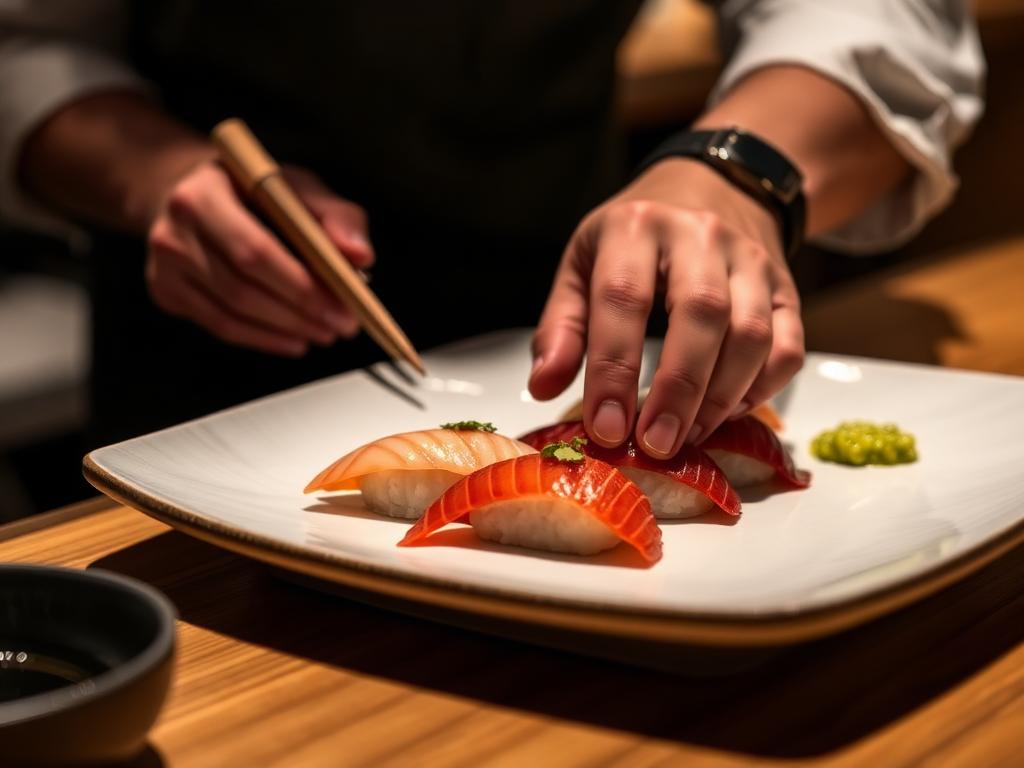
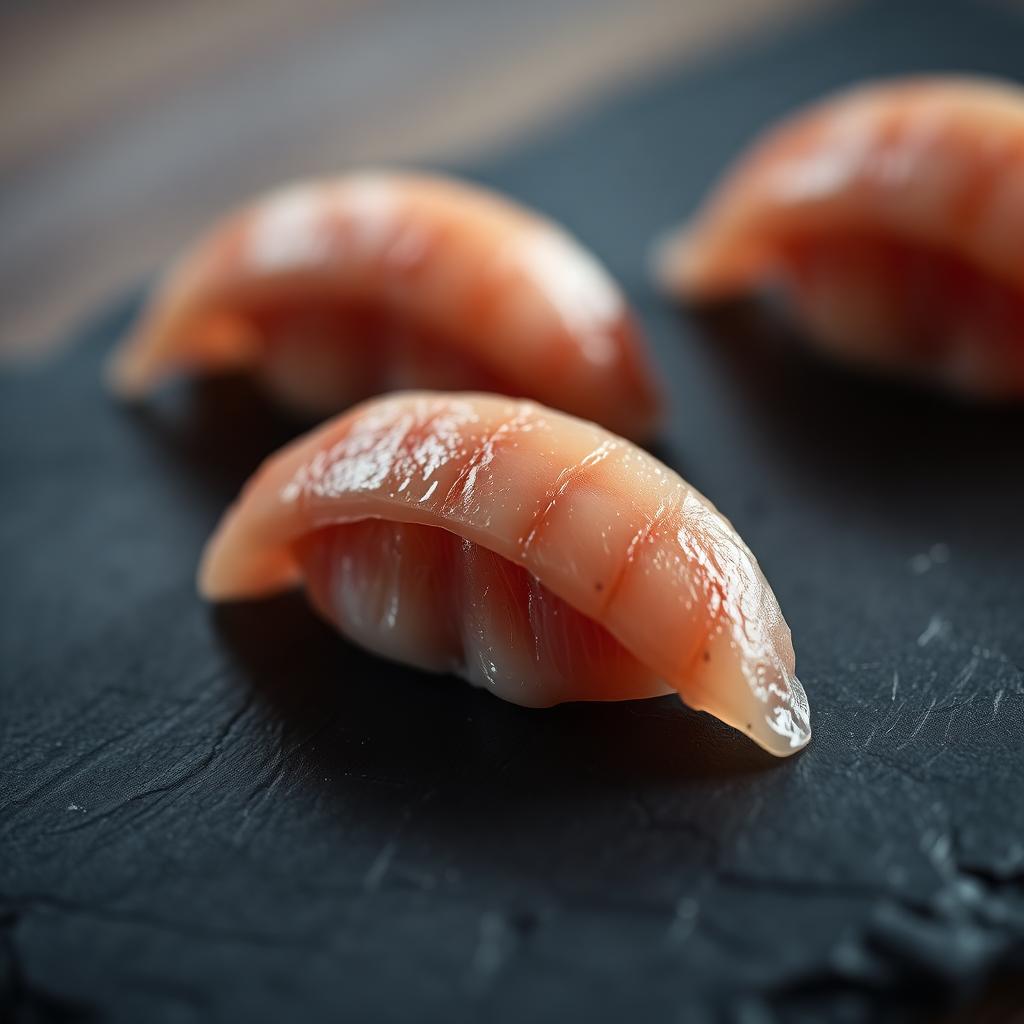
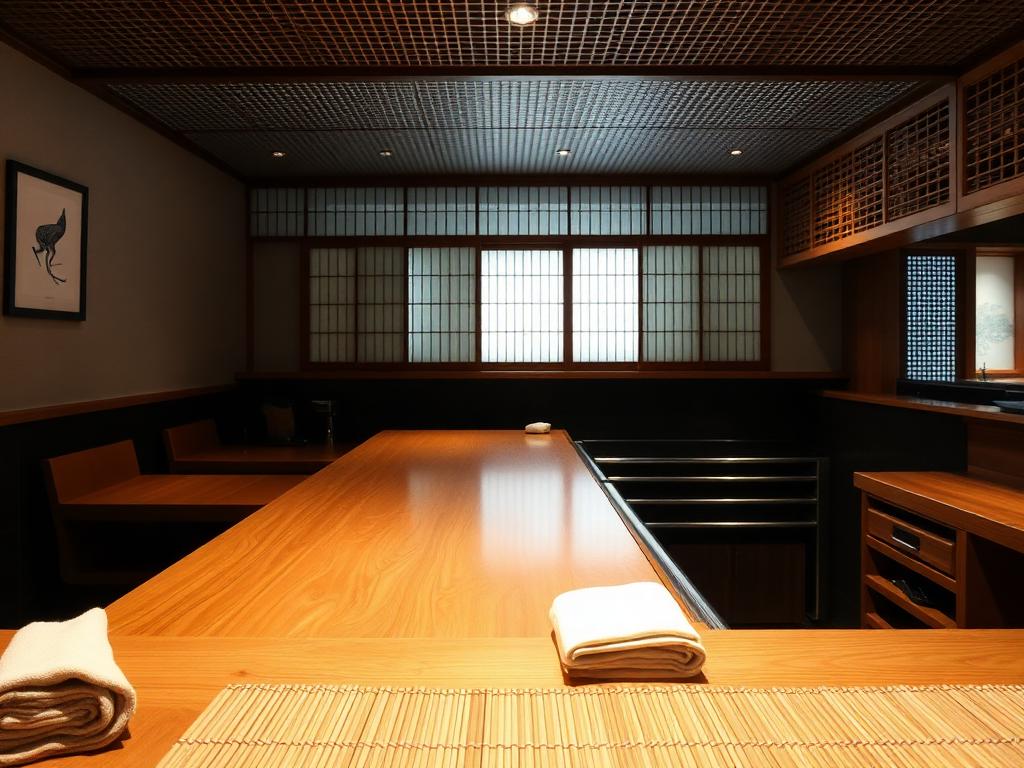
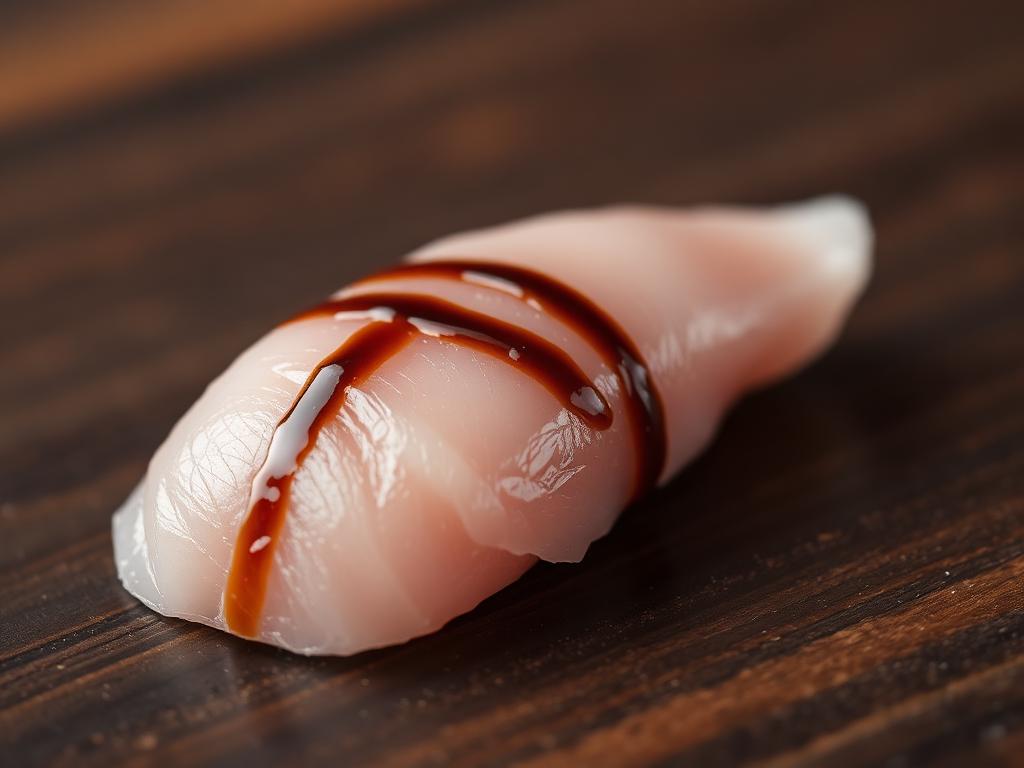
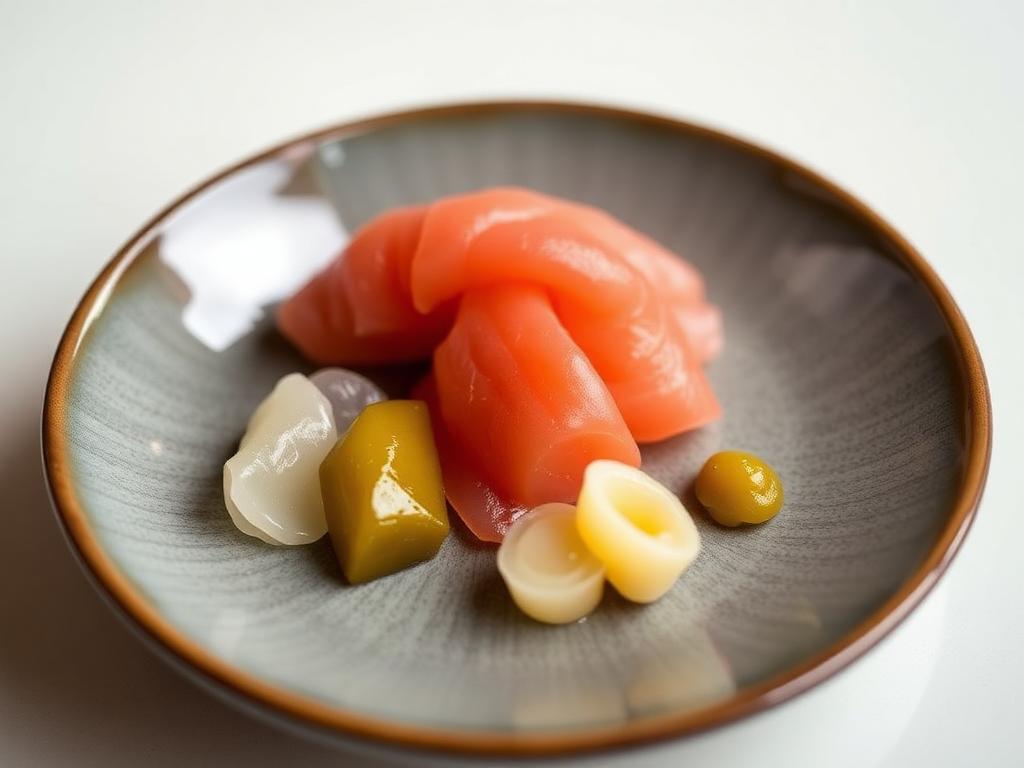
Chef Morihiro Onodera's intimate Edomae omakase counter in Echo Park — four guests per evening, rice milled from the chef's own Akita Komachi crop, and forty years of Japanese sushi tradition distilled into every piece.

View restaurant →
FAQ

Questions, answered.

What makes a Japanese restaurant in Los Angeles authentic?
In Los Angeles, we look for the same signals we apply globally: a chef grounded in Japanese technique, ingredients and preparation consistent with Japanese practice, and a focused format (sushi-ya, ramen-ya, izakaya, kaiseki, etc.) rather than a generalist Asian menu. Local sourcing is fine — what matters is how the kitchen treats the tradition.
How do you define authenticity?
Washoku Guide defines authenticity by the kitchen's grounding in Japanese culinary tradition: trained chefs (often in Japan), techniques and ingredients consistent with Japanese practice, a focused menu rather than a pan-Asian one, and a coherent dining format (sushi-ya, ramen-ya, izakaya, kaiseki, etc.). We weigh these signals together — no single factor decides.
Do you require Japanese ownership?
No. Japanese ownership is one positive signal, but it is not required. We also recognise restaurants with Japanese-led kitchens or non-Japanese chefs who have trained extensively in Japan and apply traditional techniques with discipline. What matters is the cooking, not the passport.
How are restaurants selected?
Each entry is researched and chosen by Washoku Guide editors — not voted in, not paid for, and not algorithmically ranked. We read kitchen biographies, study menus, talk to people in the industry, and visit when possible. Restaurants pay nothing to be listed.
Are the listings ranked?
No. Washoku Guide is a curated guide, not a ranking. Order on a city page is editorial and may change as the guide evolves; it does not imply that #1 is better than #5. Every listed restaurant has met our authenticity bar.
How often is the Los Angeles guide updated?
We revisit each city periodically and update entries when restaurants open, close, change hands, or change kitchens. If you spot something out of date, please let us know.