Cuisine & Culture
The Role of the Japanese Chef: Why Technique Matters in Authentic Japanese Cuisine
Authentic Japanese food is not only about ingredients. It is about technique, balance, restraint and the deep culinary knowledge behind every dish.
May 27, 2026 · 6 min read
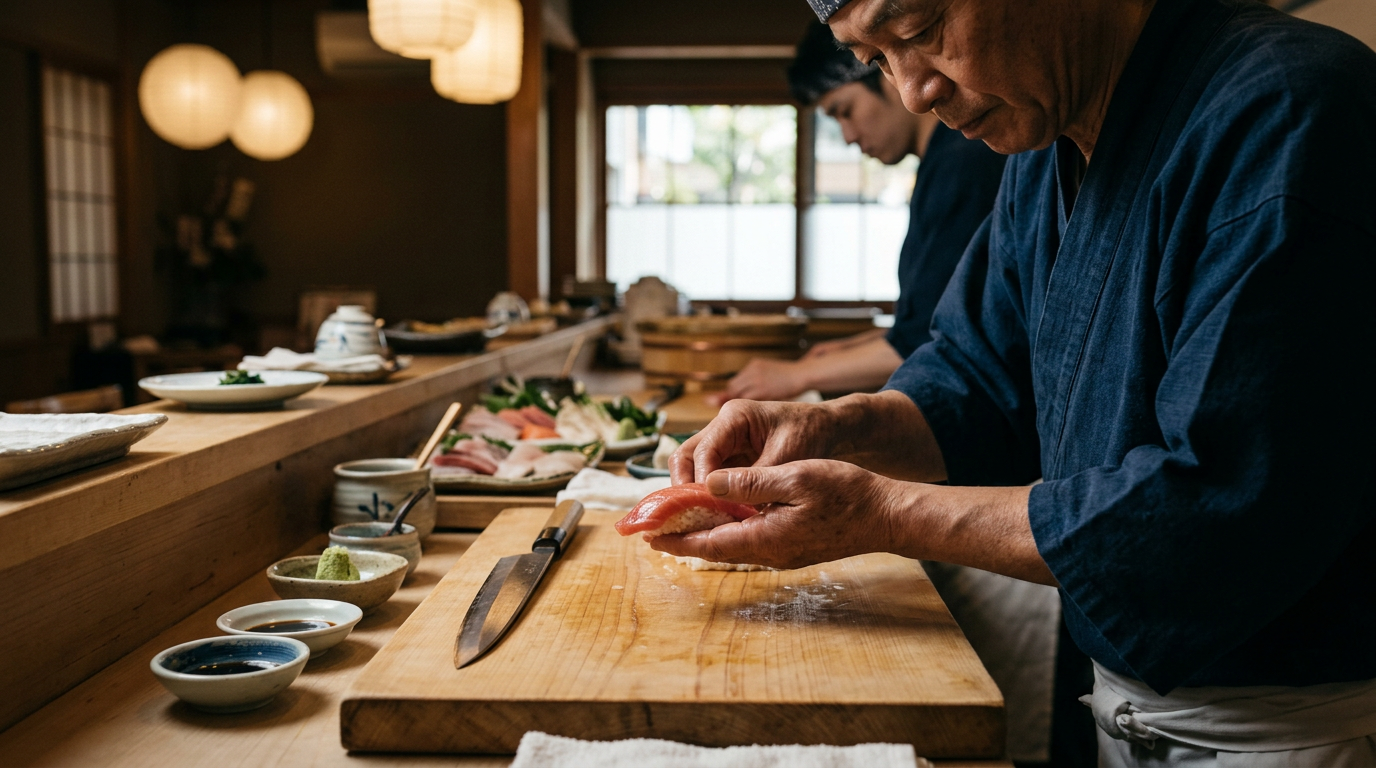
The Role of the Japanese Chef: Why Technique Matters in Authentic Japanese Cuisine
When people think about authentic Japanese food, they often focus on ingredients: fresh fish, Japanese rice, soy sauce, miso, seaweed, wagyu, sake or imported noodles. Ingredients matter, of course. But in Japanese cuisine, ingredients alone are never enough.
The real difference often lies in technique.
A Japanese chef, or a chef with serious training in Japanese cuisine, brings a deeper understanding of balance, timing, texture, seasonality and restraint. These qualities are not always visible at first glance, but they shape the entire dining experience.
This is why the chef’s background is one of the most important signals when evaluating whether a Japanese restaurant abroad is truly connected to Japanese food culture.
Japanese Cuisine Is Built on Precision
Japanese cooking often looks simple. A piece of sushi, a bowl of miso soup, a plate of tempura or a grilled fish may appear minimal compared with more heavily seasoned cuisines.
But that simplicity is deceptive.
In Japanese cuisine, small technical decisions matter greatly. Rice must have the right texture and seasoning. Dashi must be balanced. Fish must be cut correctly. Tempura batter must be light and crisp. Noodles must be cooked to the right firmness. Broth must have depth without becoming heavy.
A chef trained in Japanese cuisine understands that the goal is not to overwhelm the diner. The goal is to bring out the character of each ingredient.
Technique Is More Important Than Decoration
Outside Japan, some restaurants try to appear Japanese through design: lanterns, cherry blossoms, dramatic interiors, anime imagery or decorative plates. But authentic Japanese cooking is not defined by visual clichés.
It is defined by execution.
A serious Japanese chef pays attention to fundamentals:
- How rice is washed, cooked and seasoned
- How fish is selected, stored and cut
- How dashi is prepared
- How noodles are matched with broth
- How tempura is fried
- How grilled foods are seasoned
- How pickles and side dishes balance the meal
- How dishes reflect the season
- How flavors remain clean and precise
These details may seem small, but together they determine whether the food feels genuinely Japanese.
Rice Is a Test of Seriousness
Rice is central to Japanese cuisine. It is not just a side dish. In many meals, rice is the foundation.
At a serious Japanese restaurant, rice should have the right texture, aroma and temperature. In sushi, rice is even more important. The quality of sushi depends not only on the fish, but also on the rice: its seasoning, firmness, warmth and how it holds together.
A chef who understands Japanese cuisine treats rice with respect. Poorly cooked rice is often one of the clearest signs that a restaurant may not be deeply rooted in Japanese cooking.
Dashi: The Quiet Foundation of Japanese Flavor
Dashi is one of the foundations of Japanese cuisine. It is used in miso soup, noodle broths, simmered dishes, sauces and many traditional preparations.
Good dashi is subtle. It should not taste aggressive or heavy. It creates depth, balance and umami without dominating the dish.
Understanding dashi requires experience. A Japanese chef knows how to use it as a background structure rather than as a loud flavor. This is one reason why authentic Japanese food can taste calm, clean and deeply satisfying at the same time.
Knife Work Changes the Dish
Knife work is especially important in sushi, sashimi, kaiseki and many traditional dishes. The way fish or vegetables are cut affects texture, mouthfeel and presentation.
In sushi, the cut of the fish influences how it sits on the rice and how it feels when eaten. In sashimi, the thickness and angle of the cut can change the entire experience. In kaiseki, precise cutting is part of both taste and aesthetics.
This kind of skill is difficult to fake. It usually comes from training, repetition and respect for the craft.
Restraint Is a Core Skill
One of the most important qualities in Japanese cuisine is restraint.
Many traditional Japanese dishes are not meant to be loud, heavy or overly rich. The chef often works to create balance rather than intensity. This can be misunderstood outside Japan, where diners may expect bigger flavors, larger portions or more visible creativity.
A Japanese chef understands when not to add more. Not every dish needs extra sauce, more toppings or stronger seasoning. Sometimes the most difficult decision is to leave the ingredient alone and allow it to speak clearly.
This restraint is one of the clearest differences between traditional Japanese cuisine and many Japanese-inspired restaurants abroad.
Seasonality Matters
Seasonality is central to Japanese food culture. Ingredients, presentation and even tableware may change depending on the season.
A chef trained in Japanese cuisine usually thinks carefully about seasonal ingredients and seasonal feeling. This may appear in small ways: a seasonal fish, a vegetable, a garnish, a soup, a special dish or a change in plating.
Authentic Japanese cuisine is not only about taste. It is also about timing. The dish should feel appropriate to the moment.
Different Restaurant Types Require Different Skills
Not every Japanese chef does the same thing. Japanese cuisine includes many specialized restaurant types, and each requires its own technical discipline.
A sushi chef needs deep knowledge of fish, rice, cutting, seasoning and timing.
A ramen chef needs to understand broth, noodles, tare, aroma oil and toppings.
A tempura chef must control batter, oil temperature and frying time with precision.
A yakitori chef needs skill in butchery, skewering, grilling and seasoning.
A kaiseki chef must combine seasonality, structure, presentation and multi-course balance.
A teishoku chef must create a complete, balanced everyday meal.
This specialization is one of the reasons Japanese restaurants often have a clear focus. A serious chef usually knows what kind of restaurant they are running.
A Japanese Chef Is Not the Only Path to Authenticity
A Japanese chef is a strong signal of authenticity, but it is not the only possible path.
There are excellent non-Japanese chefs who have trained seriously in Japan or under Japanese masters. Some understand the cuisine deeply and cook with great respect. At the same time, not every Japanese chef automatically produces excellent or traditional food.
The point is not nationality alone. The point is culinary knowledge, training, discipline and connection to Japanese food culture.
For diners, the chef’s background is useful because it helps answer an important question: is the restaurant truly grounded in Japanese technique, or is it only using Japanese branding?
Why This Matters Abroad
Outside Japan, many restaurants are described as Japanese simply because they serve sushi, ramen or teriyaki. But the difference between Japanese-inspired food and authentic Japanese cuisine often comes down to the people in the kitchen.
A restaurant with serious Japanese culinary leadership is more likely to understand:
- The structure of traditional dishes
- The importance of balance
- The role of rice and dashi
- The correct use of Japanese ingredients
- The value of restraint
- The importance of seasonality
- The difference between adaptation and distortion
This does not mean every authentic restaurant must be formal or expensive. A small ramen shop, a casual izakaya or a modest teishoku restaurant can be highly authentic if the cooking is grounded in real technique.
How Diners Can Recognize Strong Japanese Culinary Technique
You do not need to be an expert to notice the difference. Look for small signs:
- The rice is properly cooked and seasoned
- The menu has a clear focus
- The dishes are balanced rather than overloaded
- The flavors are clean and precise
- The restaurant avoids unnecessary fusion elements
- The chef or staff can explain the food clearly
- Seasonal dishes appear on the menu
- The restaurant feels confident in simplicity
- Traditional dishes are treated with respect
These details often reveal more than decoration, branding or online ratings.
Final Thought
Authentic Japanese cuisine depends on more than ingredients. It depends on the knowledge and discipline of the chef.
A Japanese chef, or a chef seriously trained in Japanese cuisine, understands the quiet technical details that make Japanese food what it is: rice, dashi, knife work, balance, restraint, seasonality and respect for ingredients.
That is why the chef’s role matters so much. In the end, authenticity is not created by a Japanese name on the door. It is created in the kitchen.
Restaurants featured in this guide
Miami
Benihana Aventura
Benihana Aventura brings Rocky Aoki's hibachi show kitchen (Tokyo, 1938) to Biscayne Blvd — an interactive teppanyaki experience for families and groups.
Brussels
Ajiyoshi
A small, dinner-only Japanese restaurant near Place Sainte-Catherine, Ajiyoshi is Japanese-owned and operated with a single daily menu approach. Yokogao Magazine notes the Japanese chef-owner 'made sure that size is no barrier to delivering an authentic dining experience', and Japanese expats are among its most loyal regulars.
Montreal
Bistro Japonais Furusato
Bistro Japonais Furusato is a small, beloved neighbourhood restaurant run by a Japanese husband-and-wife team who emigrated from Japan. The name means 'hometown' in Japanese, and the cooking reflects a deep, personal connection to authentic Japanese culinary tradition.
Sydney
Choji Omakase
Choji Omakase is an intimate upstairs counter in Chatswood where Japanese executive chef Takashi Yamamoto — a self-described 'meat-otaku' with over two decades of yakiniku and kaiseki training in Japan — guides diners through a wagyu-focused omakase that integrates the discipline of Japanese kaiseki with the theatrics of premium cattle. Reservations are released on the 15th of each month.
New York
Bar Goto Niban
Kenta Goto's Brooklyn outpost in Park Slope pairs Japanese cocktails with sake, shochu, and izakaya small plates, including Shochu Sundays.
Continue reading
How Japanese Restaurants Abroad Adapt to Local Taste — and When It Becomes Fusion
Japanese restaurants abroad often balance authenticity with local expectations. Some changes are practical, such as using local ingredients or adjusting portion sizes. Others transform the cuisine into fusion. This guide explains where thoughtful adaptation ends and where Japanese-inspired fusion begins.
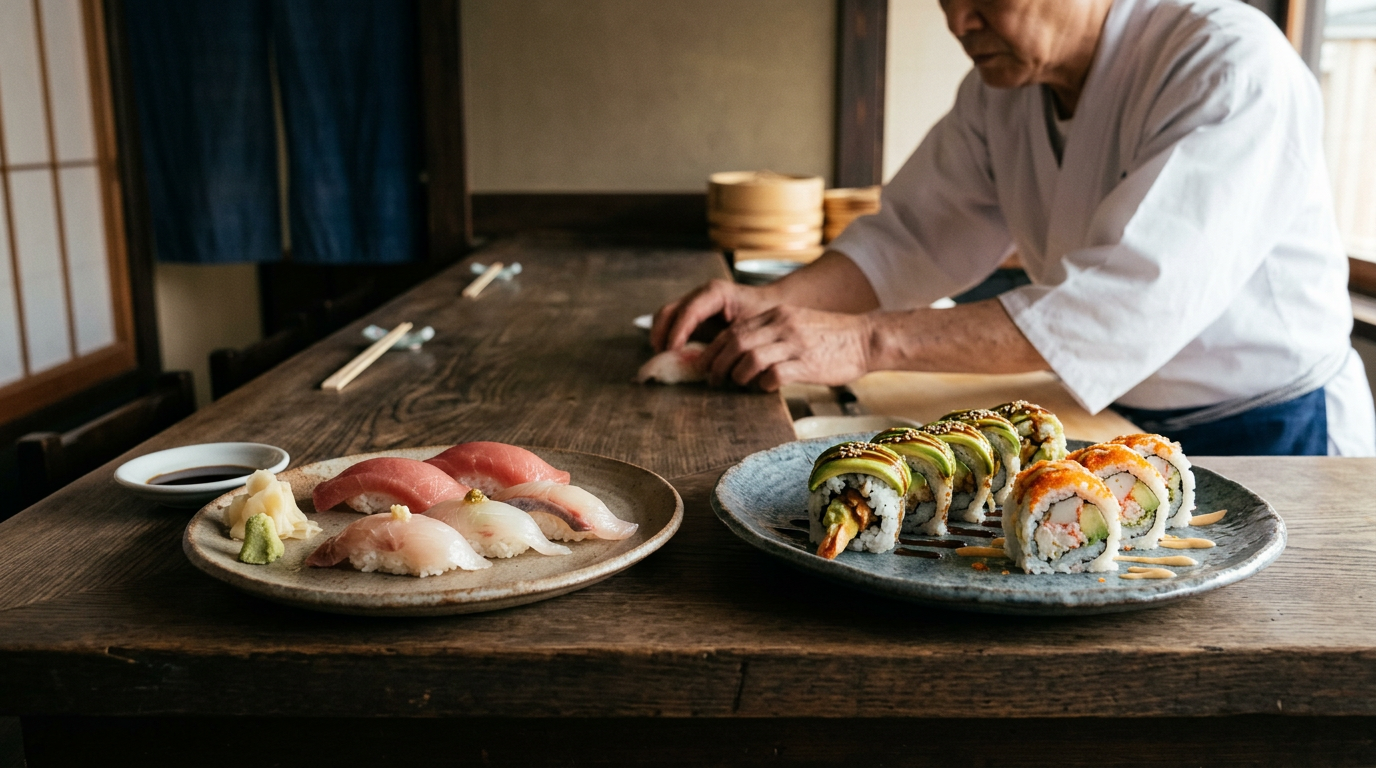
The Difference Between Authentic Sushi and Western-Style Sushi Rolls
Authentic Japanese sushi is built on rice, fish, balance, seasonality and precise technique. Western-style sushi rolls often focus more on size, sauces, toppings and visual impact. This guide explains the key differences and helps you understand what to look for when choosing a serious sushi restaurant.
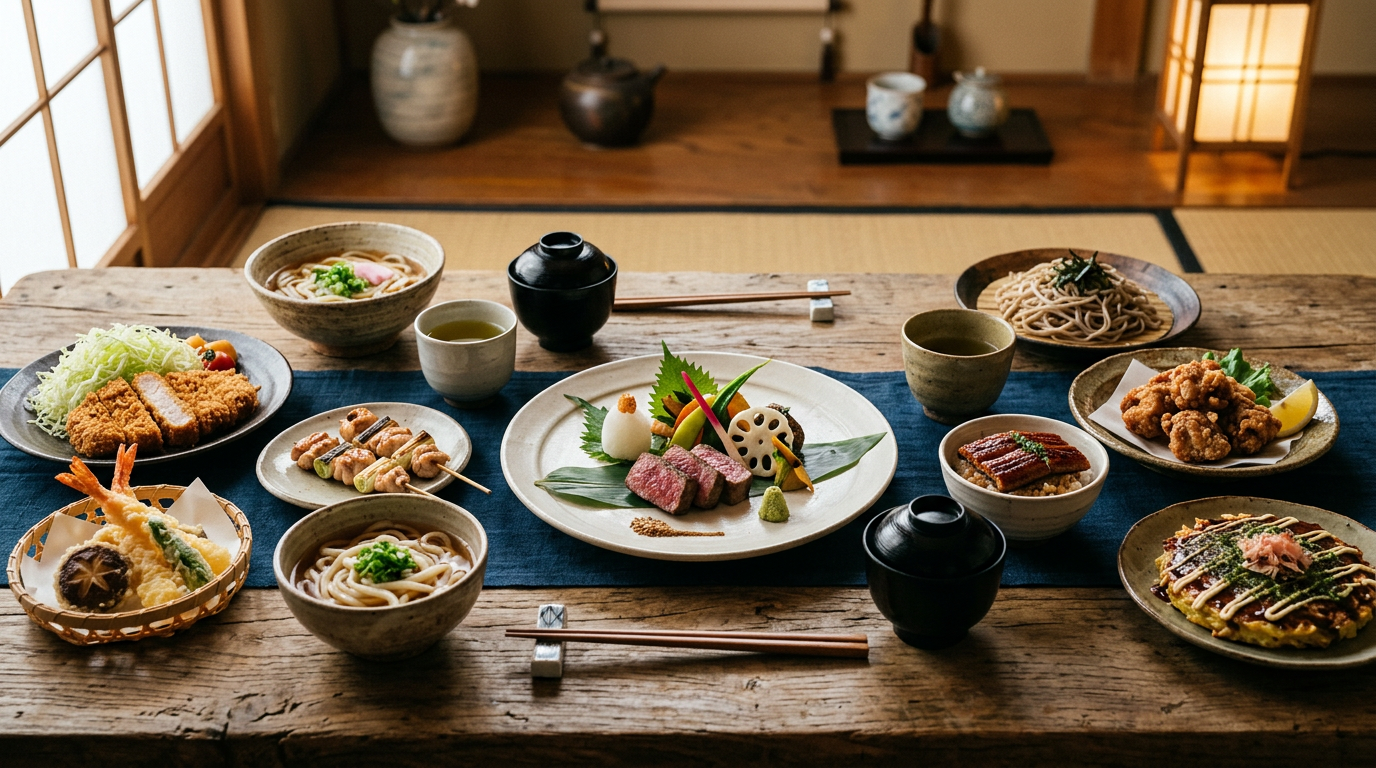
Beyond Sushi and Ramen: 10 Japanese Dishes You Should Know Before Choosing a Restaurant
Sushi and ramen may be the most famous Japanese foods abroad, but they represent only a small part of Japanese cuisine. From teishoku and tonkatsu to yakitori, soba, tempura and donburi, this guide introduces ten essential Japanese dishes and dining formats that can help you choose a better, more authentic Japanese restaurant.