← All cities
India

Mumbai.

Mumbai's Japanese dining scene has matured into India's most serious — chef-led sushi counters, izakaya rooms, and kaiseki programs shaped by a growing Japanese expatriate community across Bandra Kurla Complex, Lower Parel, and Powai. Selected for authenticity, not hype.

At a glance
Curated
12
Types
4
Filter by authenticity
Filter by type
Filter by price
01
Koishii — authentic omakase sushi restaurant in Mumbai, Lower Parel

Koishii

¥¥¥¥
Lower Parel · Sushi · a la carte
Omakase sushiNikkeiPeruvian-JapaneseRobataTiradito

Koishii occupies the 37th-floor penthouse of The St. Regis Mumbai, presenting Nikkei cuisine — the Japanese-Peruvian culinary tradition — through a sushi counter, hot kitchen and robata grill, all with sweeping views of the Mahalaxmi racecourse and Arabian Sea.

View restaurant →
02
Wasabi by Morimoto — authentic omakase sushi restaurant in Mumbai, Colaba

Wasabi by Morimoto

¥¥¥¥
Colaba · Sushi · omakase
Omakase sushiTeppanyakiKaisekiFine DiningJapanese Whisky & Sake

Iron Chef Masaharu Morimoto's Mumbai flagship occupies a hushed corner of The Taj Mahal Palace, presenting an omakase counter, sushi bar and teppanyaki counter led by Japanese chef Masasan Kobayashi, with premium seafood and wasabi flown directly from Japan.

View restaurant →
03
Mirai — authentic omakase sushi restaurant in Mumbai, Bandra West

Mirai

¥¥
Bandra West · Sushi · counter
Omakase sushiRamenIzakayaTatami seatingOmakase counter

Opened late 2024 by the team behind the original Kofuku brand, Mirai brings consulting chef James Biaka's 30 years of Japanese culinary expertise to a second-floor Bandra West space — with an omakase counter, traditional tatami seating, tonkotsu ramen and imported Japanese ingredients.

View restaurant →
05
Otoki — authentic izakaya restaurant in Mumbai, Colaba

Otoki

¥¥¥
Colaba · Izakaya · omakase
IzakayaOmakase counterKozara small platesSashimiSake

Opened in 2025, Otoki is a serene Colaba izakaya where Chef Mohit Singh — trained at three-Michelin-star Kikunoi Honten in Kyoto and Tsuji culinary school in Osaka — presents ingredient-driven Japanese cuisine, paired with sake from India's first certified sake brewer Maia Laifungbam.

View restaurant →
06
Supa San — authentic izakaya restaurant in Mumbai, BKC

Supa San

¥¥¥
BKC · Izakaya · a la carte
IzakayaSushiRobataKamameshiChawanmushi

Launched in 2025 by Aditya Birla New Age Hospitality, Supa San is BKC's manga-themed izakaya guided by Hokkaido-born consulting chef Hideki Hiwatashi — a Michelin-pedigreed kitchen that imports authentic iron kamameshi kettles and sake directly from Japan.

View restaurant →
07
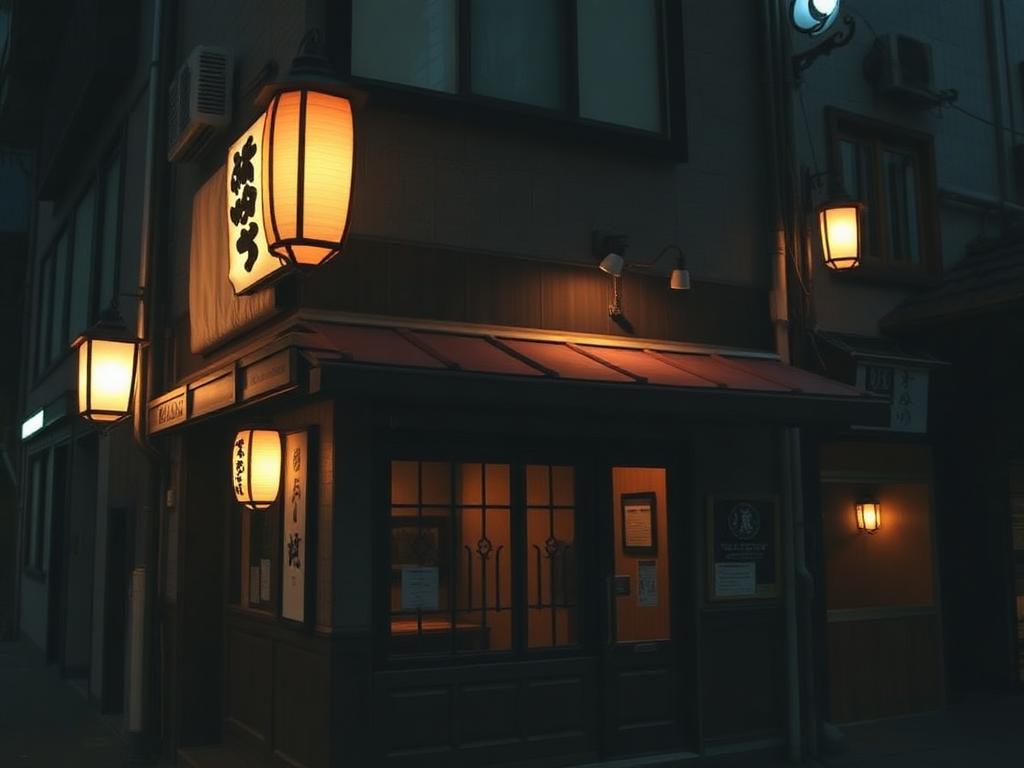
Donmai — authentic izakaya restaurant in Mumbai, Worli

Donmai

¥¥
Worli · Izakaya · a la carte
IzakayaRamenSushiJapanese whiskySake cocktails

Opened in late 2024 in Worli's Altimus building, Donmai is a contemporary izakaya where executive head chef Oishik Neogy applies traditional Japanese culinary techniques to an inventive menu featuring kobujime tomato salad, miso ramen and signature concept cocktails.

View restaurant →
08
Robata Kuuraku — authentic yakitori restaurant in Mumbai, Lower Parel

Robata Kuuraku

¥¥¥
Lower Parel · Yakitori · a la carte
YakitoriRobataIzakayaSake BarJapanese-owned

Robata Kuuraku, opened August 2025 at Phoenix Palladium, is the Kuuraku Group's premium robatayaki concept — Japanese-owned and operated by professionals from Japan, centred on slow-grilling over hot lava stones, a full sake bar and authentic Japanese hospitality.

View restaurant →
09
Kuuraku — authentic yakitori restaurant in Mumbai, Bandra West

Kuuraku

¥¥
Bandra West · Yakitori · a la carte
YakitoriIzakayaRamenSake BarJapanese-owned chain

Kuuraku is a Japanese-owned and operated izakaya chain founded in Japan in 1999 by the Hirohama Corporation — the first authentic izakaya concept to open in India (2013), popular with Tokyo expats and trained to rigorous Japanese-style hospitality standards.

View restaurant →
10
Wakai — authentic yakitori restaurant in Mumbai, Bandra West

Wakai

¥¥
Bandra West · Yakitori · a la carte
YakitoriSushiIzakayaGyozaJapanese Casual

Named 'Wakai' (young/fresh in Japanese), this Bandra West neighbourhood restaurant is led by chef Parvez Khan, who honed his craft at India's benchmark Wasabi by Morimoto at The Taj, delivering traditional yakitori, tsukune, gyoza and miso soup at accessible price points.

View restaurant →
11
Izumi — authentic tokyo-style ramen restaurant in Mumbai, Khar West

Izumi

¥¥¥
Khar West · Ramen · a la carte
Tokyo-style ramenSushiRobataIzakayaYakitori

Founded by Chef Nooresha Kably — trained at Tokyo Sushi Academy and Yokohama's International Ramen School — Izumi is Mumbai's most celebrated neighbourhood Japanese restaurant, renowned for its deeply authentic tonkotsu ramen, fresh sashimi and charcoal robata grills.

View restaurant →
12
Tokki Tora — authentic tokyo-style ramen restaurant in Mumbai, Lower Parel

Tokki Tora

¥¥
Lower Parel · Ramen · a la carte
Tokyo-style ramenSushiIzakayaTatami seatingJapanese expat favourite

Rebranded from the beloved Kofuku in December 2024, Tokki Tora retains the decade-plus legacy of Mumbai's most enduring suburban Japanese restaurant: Chef James Biaka's 30 years of Japanese culinary experience, traditional tatami floor seating, and a loyal Japanese expat following.

View restaurant →
FAQ

Questions, answered.

What makes a Japanese restaurant in Mumbai authentic?
In Mumbai, we look for the same signals we apply globally: a chef grounded in Japanese technique, ingredients and preparation consistent with Japanese practice, and a focused format (sushi-ya, ramen-ya, izakaya, kaiseki, etc.) rather than a generalist Asian menu. Local sourcing is fine — what matters is how the kitchen treats the tradition.
How do you define authenticity?
Washoku Guide defines authenticity by the kitchen's grounding in Japanese culinary tradition: trained chefs (often in Japan), techniques and ingredients consistent with Japanese practice, a focused menu rather than a pan-Asian one, and a coherent dining format (sushi-ya, ramen-ya, izakaya, kaiseki, etc.). We weigh these signals together — no single factor decides.
Do you require Japanese ownership?
No. Japanese ownership is one positive signal, but it is not required. We also recognise restaurants with Japanese-led kitchens or non-Japanese chefs who have trained extensively in Japan and apply traditional techniques with discipline. What matters is the cooking, not the passport.
How are restaurants selected?
Each entry is researched and chosen by Washoku Guide editors — not voted in, not paid for, and not algorithmically ranked. We read kitchen biographies, study menus, talk to people in the industry, and visit when possible. Restaurants pay nothing to be listed.
Are the listings ranked?
No. Washoku Guide is a curated guide, not a ranking. Order on a city page is editorial and may change as the guide evolves; it does not imply that #1 is better than #5. Every listed restaurant has met our authenticity bar.
How often is the Mumbai guide updated?
We revisit each city periodically and update entries when restaurants open, close, change hands, or change kitchens. If you spot something out of date, please let us know.