← All cities
Russia

Moscow.

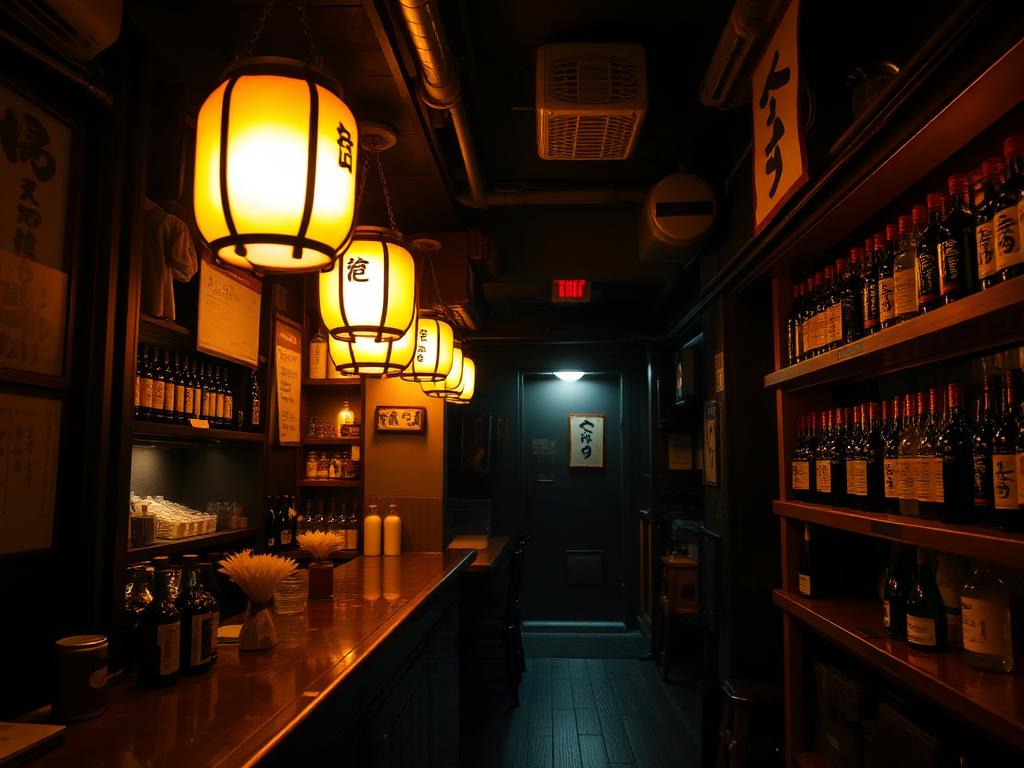
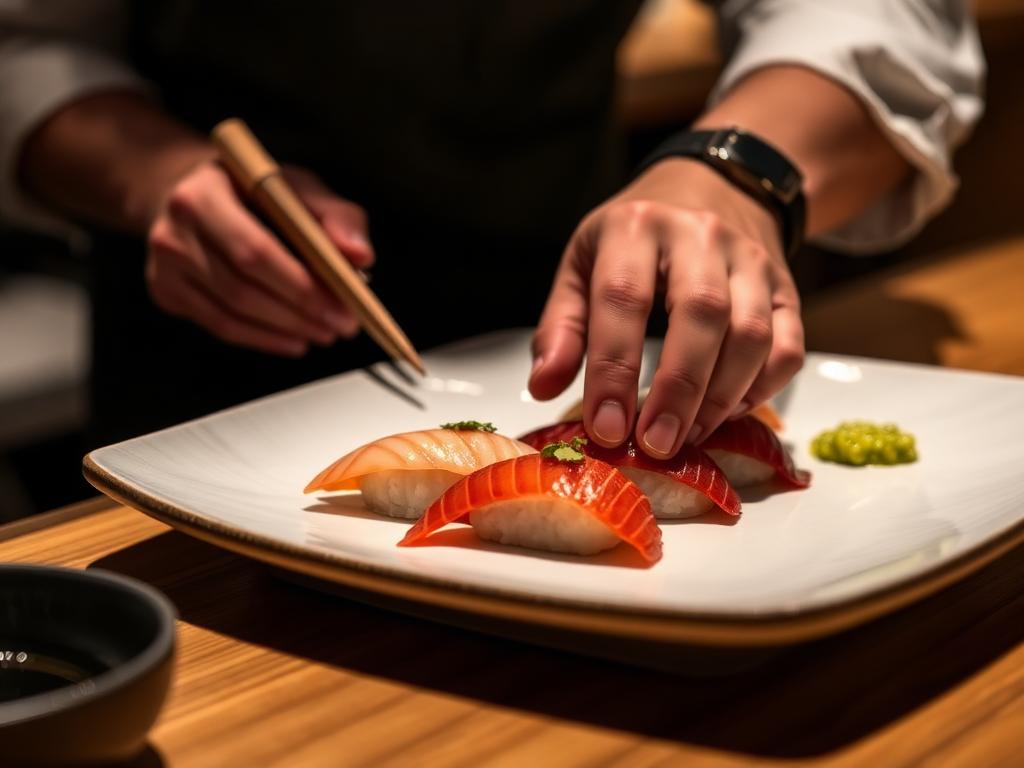
Moscow's Japanese dining scene is one of Eastern Europe's most established — chef-led sushi counters, kaiseki rooms, and izakaya shaped by decades of demand for high-end Japanese cuisine. Selected for authenticity, not spectacle.

At a glance
Curated
13
Types
5
Filter by authenticity
Filter by type
Filter by price
03
MEGUmi — authentic luxury japanese sushi & kaiseki restaurant in Moscow, Presnensky (TsAO)

MEGUmi

¥¥¥¥
Presnensky (TsAO) · Sushi · omakase
Luxury Japanese sushi & kaisekiWagyuPremium sakeJapanese seafoodFine dining

MEGUmi at Lotte Hotel Moscow is the capital's most refined hotel Japanese restaurant, overseen by two Japanese chefs in an open kitchen setting that delivers authentic kaiseki and sushi in elegant surroundings.

View restaurant →
08
Makoto — authentic japanese sushi & kaiseki restaurant in Moscow, Presnensky (TsAO)

Makoto

¥¥¥
Presnensky (TsAO) · Sushi · a la carte
Japanese sushi & kaisekiSashimiBusiness lunchJapanese cuisineWorld Trade Centre

Makoto is one of Moscow's most enduring Japanese restaurants, situated at the World Trade Centre on the Moscow River embankment, with a Japanese-led kitchen that has maintained its standards across years of consistent dining.

View restaurant →
09
IZUMI — authentic izakaya & japanese cuisine restaurant in Moscow, Basmanny

IZUMI

¥¥
Basmanny · Izakaya · a la carte
Izakaya & Japanese cuisineSushiKaraokeJapanese izakayaSake bar

IZUMI is a lively Japanese izakaya on Myasnitskaya Street, led by Michelin-associated chef Kobayashi Katsuhiko, offering authentic Japanese cuisine, a full sake and cocktail bar, and private karaoke rooms.

View restaurant →
FAQ

Questions, answered.

What makes a Japanese restaurant in Moscow authentic?
In Moscow, we look for the same signals we apply globally: a chef grounded in Japanese technique, ingredients and preparation consistent with Japanese practice, and a focused format (sushi-ya, ramen-ya, izakaya, kaiseki, etc.) rather than a generalist Asian menu. Local sourcing is fine — what matters is how the kitchen treats the tradition.
How do you define authenticity?
Washoku Guide defines authenticity by the kitchen's grounding in Japanese culinary tradition: trained chefs (often in Japan), techniques and ingredients consistent with Japanese practice, a focused menu rather than a pan-Asian one, and a coherent dining format (sushi-ya, ramen-ya, izakaya, kaiseki, etc.). We weigh these signals together — no single factor decides.
Do you require Japanese ownership?
No. Japanese ownership is one positive signal, but it is not required. We also recognise restaurants with Japanese-led kitchens or non-Japanese chefs who have trained extensively in Japan and apply traditional techniques with discipline. What matters is the cooking, not the passport.
How are restaurants selected?
Each entry is researched and chosen by Washoku Guide editors — not voted in, not paid for, and not algorithmically ranked. We read kitchen biographies, study menus, talk to people in the industry, and visit when possible. Restaurants pay nothing to be listed.
Are the listings ranked?
No. Washoku Guide is a curated guide, not a ranking. Order on a city page is editorial and may change as the guide evolves; it does not imply that #1 is better than #5. Every listed restaurant has met our authenticity bar.
How often is the Moscow guide updated?
We revisit each city periodically and update entries when restaurants open, close, change hands, or change kitchens. If you spot something out of date, please let us know.