City Guides
Best Sushi in Houston: 10 Authentic Spots (2026)
Houston has become one of the strongest sushi cities in Texas, with everything from serious omakase counters and Japanese-led restaurants to hand roll bars and polished modern sushi rooms.
June 30, 2026 · 8 min read
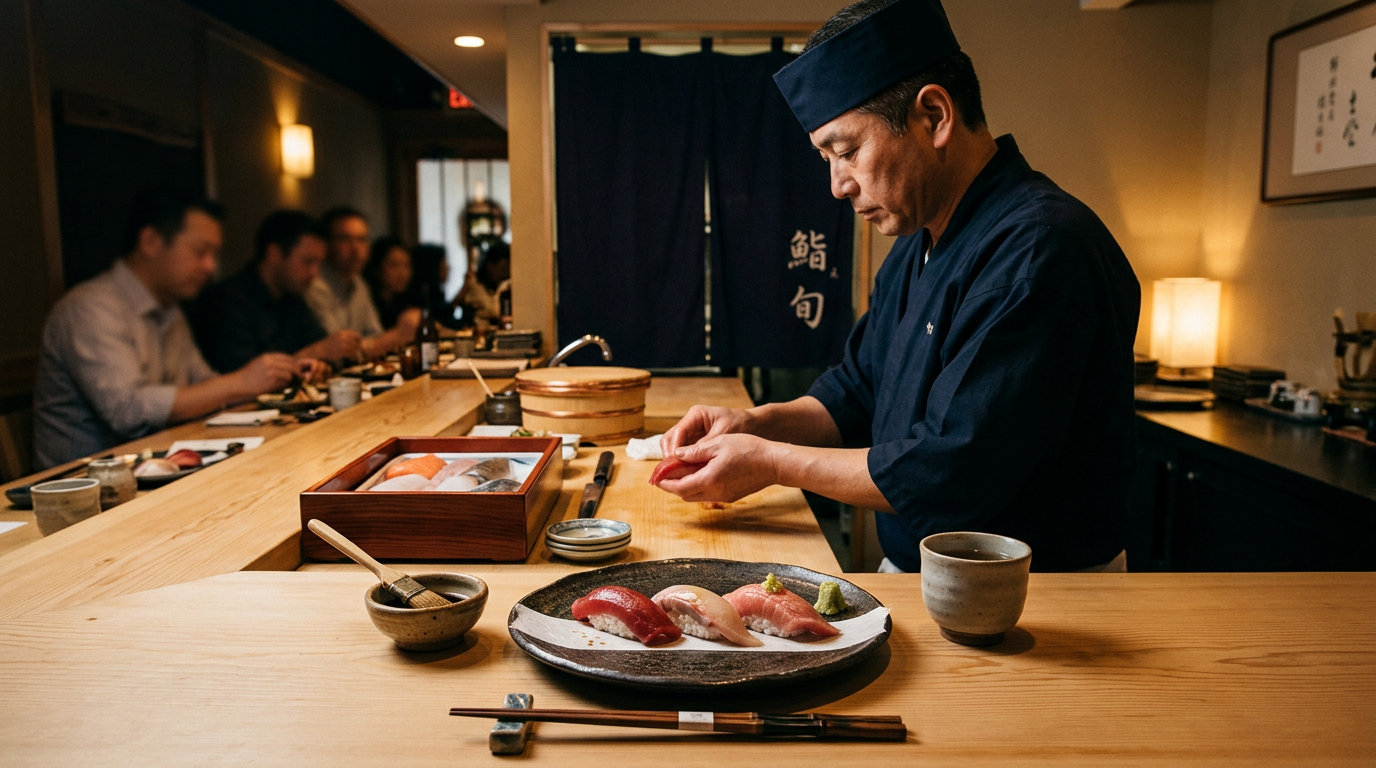
Best Sushi in Houston: 10 Authentic Spots (2026)
Houston is one of the most interesting sushi cities in Texas. The city has classic sushi counters, Japanese-led restaurants, omakase rooms, hand roll bars, modern Japanese dining rooms and more casual neighbourhood sushi spots.
But not every sushi restaurant in Houston offers the same kind of experience. Some focus on traditional nigiri and omakase. Some are modern and chef-driven. Some are more casual and built around hand rolls, donburi or accessible sushi menus. Others are Japanese-inspired rather than strictly traditional.
This guide highlights 10 sushi restaurants in Houston that are especially relevant for diners looking for a more serious Japanese dining experience in 2026.
1. Kata Robata
Kata Robata is one of Houston’s most important Japanese restaurants and remains a key name for serious sushi in the city. Led by chef Manabu “Hori” Horiuchi, the restaurant is known for sushi, omakase, Japanese small plates and a broad but carefully executed menu.
For many diners, Kata Robata is the best starting point for understanding Houston’s higher-end Japanese dining scene. It combines serious sushi with a restaurant format that is still accessible to a broader audience.
Best for:
- Sushi and sashimi
- Omakase
- Japanese small plates
- Business dinners
- Diners who want both sushi and cooked Japanese dishes
Why it matters:
Kata Robata is not only a sushi restaurant. It is one of the restaurants that helped define modern Japanese dining in Houston.
2. Katami
Katami is another major Houston sushi destination from Chef Hori. Compared with Kata Robata, Katami feels more focused, polished and sushi-forward. It presents itself around sushi, wagyu and sake, with a strong emphasis on high-quality ingredients and a more contemporary Japanese dining experience.
Katami is especially relevant for diners who want a refined sushi dinner without necessarily committing to the most exclusive omakase format.
Best for:
- Premium sushi
- Sashimi
- Wagyu
- Sake
- Date nights
- Modern Japanese dining
Why it matters:
Katami represents the more polished, contemporary side of Houston sushi while still being closely connected to Japanese culinary technique through Chef Hori’s background.
3. Sushi Horiuchi
Sushi Horiuchi is one of the most serious omakase experiences in Houston. The restaurant is small, expensive and highly focused, built around a chef-led tasting format from Manabu Horiuchi.
This is not the place for casual sushi rolls or a quick dinner. It is for diners who want a controlled, intimate and seasonal omakase experience.
Best for:
- High-end omakase
- Special occasions
- Serious sushi diners
- Seasonal Japanese ingredients
- Chef-led dining
Why it matters:
Sushi Horiuchi is one of Houston’s clearest examples of sushi as a highly personal chef-driven experience.
4. MF Sushi
MF Sushi is a long-standing Houston sushi name known for an elegant setting, high-quality fish, omakase and carefully prepared sushi. It is a strong option for diners who want a more traditional sushi-room feeling rather than a loud or highly casual restaurant.
MF Sushi is especially useful for diners who care about nigiri, sashimi and a refined sushi counter experience.
Best for:
- Nigiri
- Sashimi
- Omakase
- Elegant dinners
- Special occasions
Why it matters:
MF Sushi has remained relevant because it focuses on sushi fundamentals: fish quality, presentation, balance and a more restrained dining experience.
5. Hachi
Hachi is a fine-dining sushi restaurant in the Galleria area. It offers omakase as well as an à la carte menu, making it useful for diners who want a polished sushi experience with some flexibility.
The Galleria location also makes Hachi a practical option for visitors, business dinners and West Houston diners looking for a refined sushi setting.
Best for:
- Omakase
- À la carte sushi
- Galleria-area dining
- Business dinners
- Refined but accessible sushi
Why it matters:
Hachi adds another serious sushi option to Houston’s west side and fits well into the city’s growing premium sushi landscape.
6. Sushi by Hidden
Sushi by Hidden offers a more compact and accessible omakase-style format. With a small counter and a focused sushi tasting, it gives diners a chef-led experience without the same level of cost or formality as Houston’s most expensive omakase rooms.
This makes it a useful bridge between casual sushi and high-end omakase.
Best for:
- Counter sushi
- Short omakase-style meals
- Date nights
- Diners new to omakase
- More accessible tasting formats
Why it matters:
Sushi by Hidden shows how Houston’s sushi scene is becoming more diverse, with compact chef-led experiences at different price points.
7. Kira
Kira is a hand roll and Japanese vinyl bar in Upper Kirby. It is not a traditional sushi restaurant in the classic sense, but it is highly relevant to Houston’s modern sushi scene.
The format focuses on temaki, donburi and a more social counter experience. It is useful for diners who want sushi rice, seaweed, fish and Japanese flavors in a more casual and contemporary setting.
Best for:
- Hand rolls
- Donburi
- Casual counter dining
- Japanese vinyl bar atmosphere
- A modern sushi-adjacent experience
Why it matters:
Kira represents the modern, design-conscious side of Houston Japanese dining. It is not old-school sushi, but it is focused, thoughtful and clearly connected to Japanese food culture.
8. Oru
Oru is a newer sushi counter in the Heights from the team behind Neo and Kira. It offers nigiri, sashimi, à la carte dishes and omakase options in a more flexible format than a fully exclusive omakase room.
Oru is especially interesting because it brings a chef-counter sushi experience to the Heights, one of Houston’s most active dining neighbourhoods.
Best for:
- Nigiri
- Sashimi
- Omakase
- Heights dining
- Modern Japanese counter experience
Why it matters:
Oru shows how Houston sushi is expanding beyond the traditional high-end areas into neighbourhood-focused, design-led but still serious formats.
9. Uchi Houston
Uchi is not a strictly traditional sushi restaurant. It describes itself as non-traditional Japanese cuisine and is known for a more creative, modern and polished approach.
Still, Uchi is important in Houston’s sushi landscape because it has introduced many diners to elevated Japanese-inspired dining, omakase-style tasting menus, nigiri, sashimi and seasonal Japanese flavors.
Best for:
- Modern Japanese dining
- Creative sushi
- Tasting menus
- Special occasions
- Diners open to non-traditional Japanese cuisine
Why it matters:
Uchi is best understood as modern Japanese rather than traditional sushi. It belongs in this guide because it is one of Houston’s major Japanese dining references, but diners should understand that the style is creative and adapted.
10. Uchiko Houston
Uchiko is Uchi’s sister concept and brings a more smoke-and-char-driven approach to Japanese-inspired dining. Like Uchi, it is not a purely traditional sushi restaurant, but it is relevant for diners looking for polished Japanese flavors, sushi, nigiri, sashimi and tasting menu options.
Uchiko is useful for diners who want a lively, modern Japanese meal rather than a quiet traditional sushi counter.
Best for:
- Modern Japanese dining
- Sushi and sashimi
- Tasting menus
- Grilled and smoked Japanese-inspired dishes
- Group dinners
Why it matters:
Uchiko expands Houston’s Japanese dining map by offering a more energetic and contemporary interpretation of Japanese cuisine.
How to Choose the Right Sushi Restaurant in Houston
Houston has enough sushi variety that the best choice depends on the kind of experience you want.
If you want Japanese-rooted sushi from one of the city’s most important chefs, start with Kata Robata, Katami or Sushi Horiuchi.
If you want a refined sushi room, MF Sushi and Hachi are strong options.
If you want a smaller counter or tasting format, Sushi by Hidden or Oru may be more appropriate.
If you want a modern hand roll experience, Kira is one of the most interesting choices.
If you want creative, non-traditional Japanese dining, Uchi and Uchiko are important Houston names.
Houston Sushi by Area
| Area | Good For | Restaurants to Know |
|---|---|---|
| Upper Kirby / Montrose | Serious sushi, modern Japanese, chef-driven dining | Kata Robata, Katami, Kira, Uchi |
| Galleria / West Houston | Polished sushi rooms, omakase, business dining | Hachi, Sushi by Hidden |
| Museum District | Elegant sushi dining | MF Sushi |
| Heights | Newer sushi counters, neighbourhood dining | Oru |
| High-end omakase circuit | Special occasions and serious sushi | Sushi Horiuchi |
Houston is a car-based city, so sushi exploration usually means choosing by restaurant rather than walking through one single sushi district.
What Makes a Houston Sushi Spot Feel Authentic?
For Washoku Guide, authenticity is not only about whether a restaurant serves sushi. The stronger questions are:
- Is the chef or ownership meaningfully connected to Japanese cuisine?
- Does the restaurant treat sushi rice seriously?
- Is the menu focused or overloaded?
- Are sauces and toppings used with restraint?
- Is there real attention to fish quality and preparation?
- Does the restaurant offer nigiri, sashimi or omakase, not only large specialty rolls?
- Does the experience feel chef-led rather than trend-led?
- Is the restaurant transparent about being traditional, modern or fusion?
Houston has both traditional and modern Japanese restaurants. The key is to understand what kind of sushi experience each restaurant is trying to offer.
Traditional Sushi vs Modern Japanese in Houston
Not every restaurant in this guide is traditional in the same way.
Kata Robata, Katami, Sushi Horiuchi and MF Sushi are especially important for diners interested in more serious sushi technique and Japanese-rooted dining.
Kira, Oru, Uchi and Uchiko are more modern or contemporary in different ways. They can still be excellent, but they should not be confused with a strictly traditional sushi counter.
This distinction matters because Houston’s Japanese dining scene is broad. Some restaurants aim for tradition, others for creativity, and others for accessibility.
Warning Signs When Choosing Sushi in Houston
A sushi restaurant may be less authentic or more Western-style if the menu is dominated by:
- Very large specialty rolls
- Heavy sauces
- Cream cheese
- Fried fillings
- Sweet glazes
- Broad pan-Asian dishes
- Little focus on rice quality
- No clear chef or sushi counter identity
- More visual impact than technique
This does not mean the restaurant is bad. It simply means it may not be the best choice for diners seeking a more traditional Japanese sushi experience.
Final Thought
Houston has become a serious sushi city. It has Japanese-led restaurants, refined omakase counters, hand roll bars, modern Japanese dining rooms and accessible tasting formats.
The best sushi experience in Houston depends on what you want.
For Japanese-rooted sushi, look closely at Chef Hori’s restaurants and other chef-led counters. For modern sushi and Japanese-inspired dining, Houston also has strong options in Upper Kirby, Montrose, the Galleria and the Heights.
The most important thing is to look beyond the word “sushi” and ask what kind of sushi experience the restaurant actually represents.
Restaurants featured in this guide
Houston
Mensho
Mensho Houston is the Texas outpost of Tokyo ramen master Tomoharu Shono's Michelin-recognized brand, bringing his award-winning toripaitan and innovative seasonal broths to Houston's Asiatown.
Houston
Izakaya Wa (River Oaks)
The River Oaks outpost of Japanese-owned Izakaya Wa brings authentic Tokyo izakaya culture — skewers, sake, and sashimi — to one of Houston's most vibrant neighborhoods.
Houston
Aya Sushi
Aya Sushi offers an omakase experience in Houston's Bellaire neighborhood, with Tokyo-trained chef Yoshi Katsuyama sourcing fish directly from Tokyo's Toyosu Market and pairing each course with an award-winning sake selection.
Houston
Izakaya Wa (Memorial)
Izakaya Wa is Houston's first and only Japanese-owned and operated izakaya, founded by Japanese chef Akira Asano and partner Hajime Kubokawa, serving authentic skewers, sashimi, and sake in a casual setting.
Houston
Katami
Katami is a modern Japanese restaurant in Houston's Montrose neighborhood, created by acclaimed chef Manabu Horiuchi as a sister concept to Kata Robata, focused on wagyu, sushi, and artisan sake.
Houston
Kata Robata
Kata Robata is Houston's premier Japanese sushi and robata restaurant, helmed by five-time James Beard Award nominee Chef Hori, a native of Japan trained in Tokyo and Osaka.
Continue reading
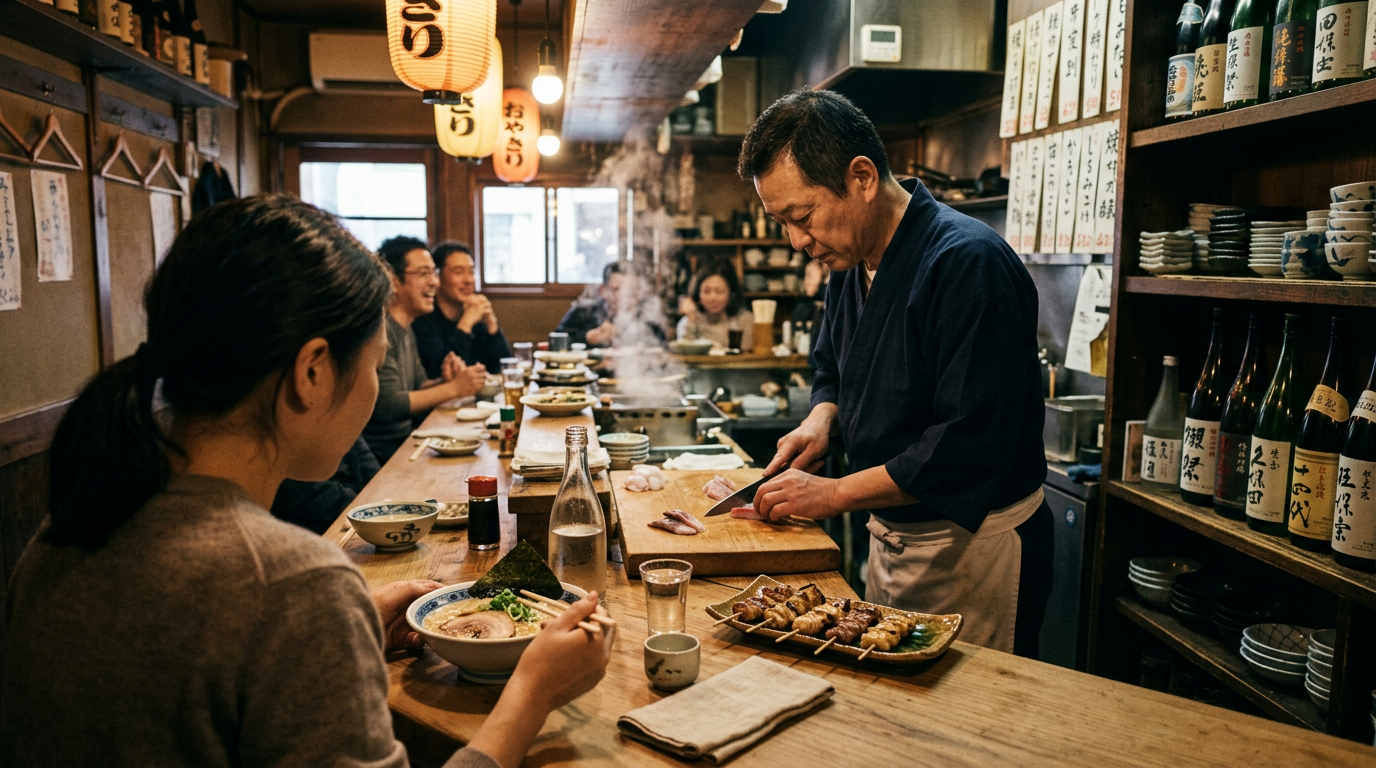
Where to Find Authentic Japanese Restaurants in New York City
New York City is one of the world’s great Japanese dining cities. East Village offers Little Tokyo-style restaurant culture, Midtown is strong for sushi, ramen and business dining, NoHo and SoHo have some of the city’s most serious omakase counters, and Brooklyn’s Japan Village brings Japanese food, groceries and casual dining together in one place. This guide explains where to look for authentic Japanese restaurants in NYC — and how to choose the right neighbourhood for sushi, ramen, izakaya, omakase, soba, yakitori and everyday Japanese food.
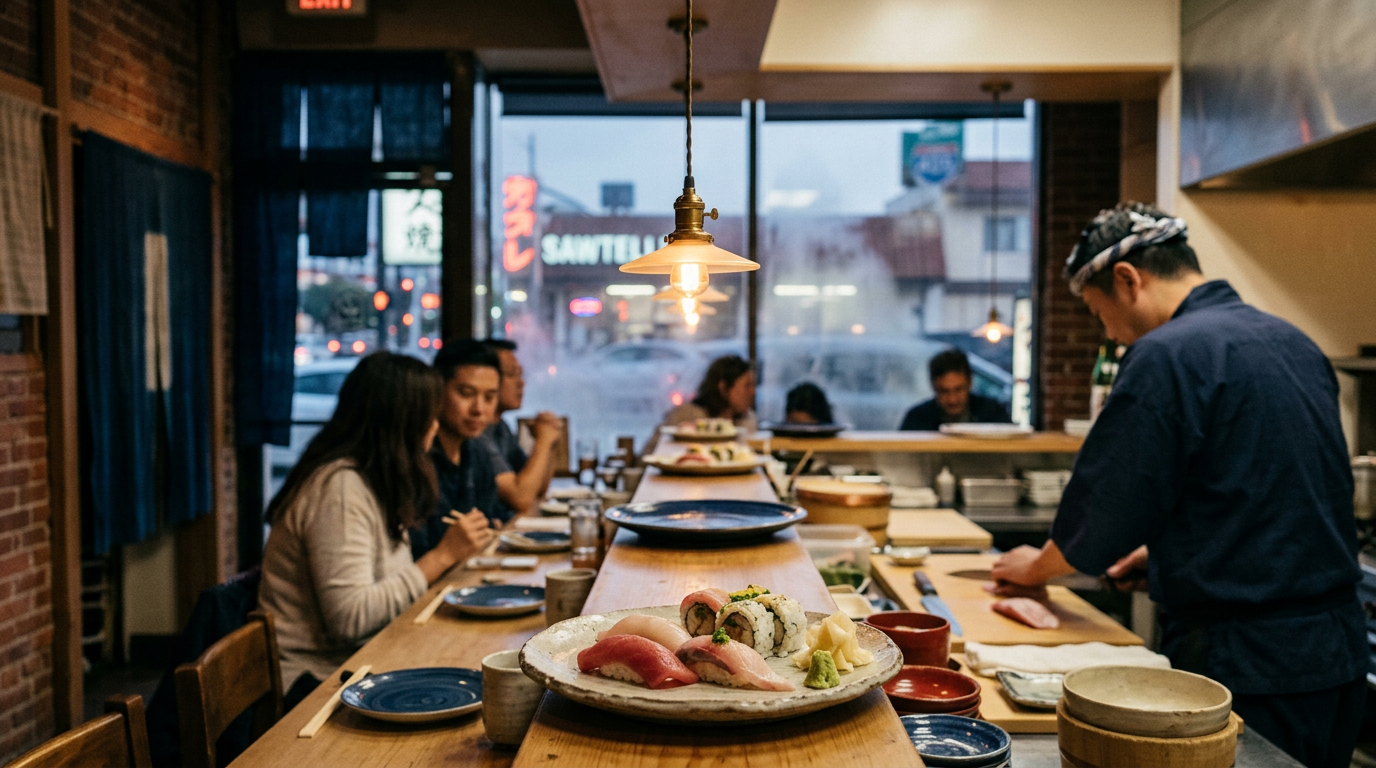
Where to Find Authentic Japanese Restaurants in Los Angeles
Los Angeles is one of the best cities in North America for Japanese food. Little Tokyo offers history and cultural depth, Sawtelle Japantown is a major West LA dining corridor, and Torrance and Gardena in the South Bay are home to some of the region’s most serious Japanese restaurants. This guide explains where to look for authentic Japanese restaurants in Los Angeles — from sushi and ramen to izakaya, soba, yakitori, omakase and everyday Japanese dining.
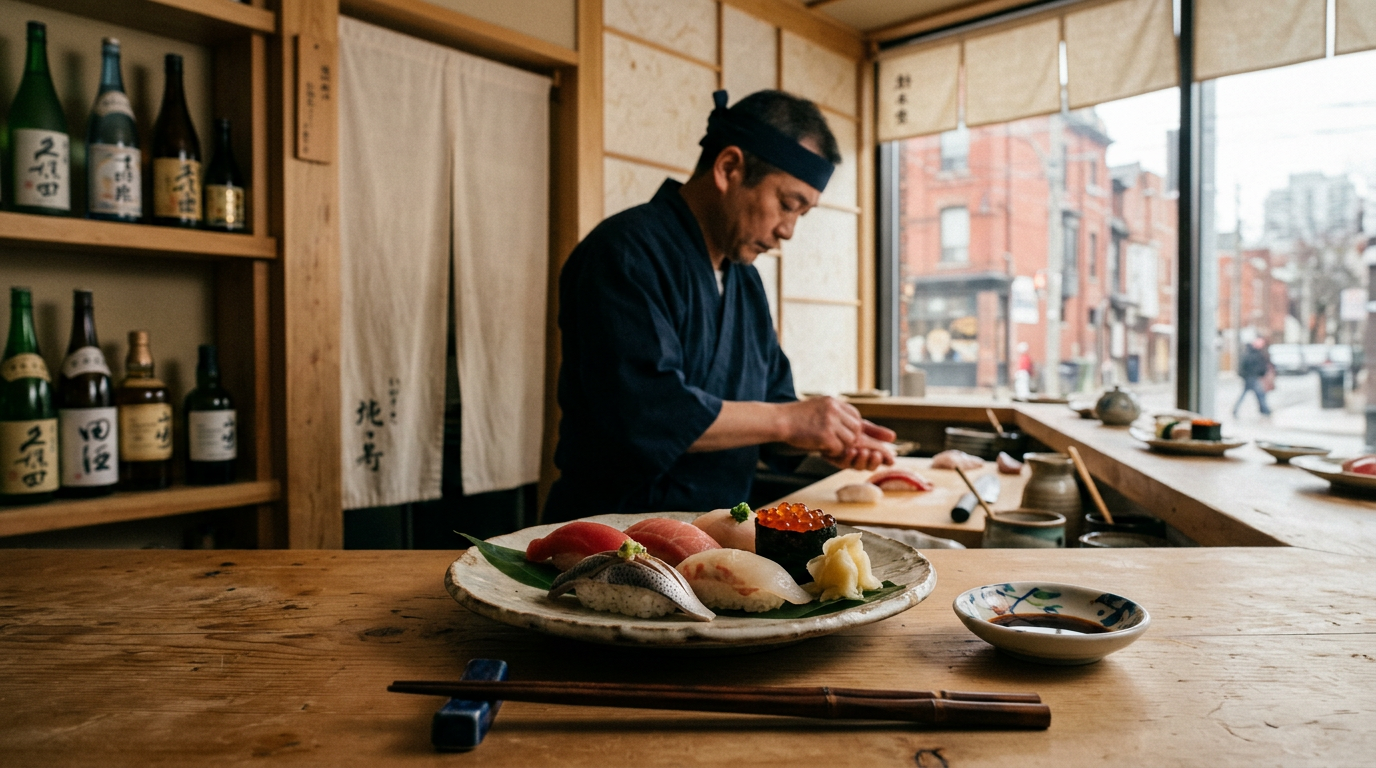
Where to Find Authentic Japanese Restaurants in Toronto
Toronto has a broad Japanese dining scene, but the best places are spread across very different parts of the city. Downtown is strong for ramen, izakaya and casual Japanese dining; Yorkville has become a destination for high-end sushi and omakase; Harbourfront is known for contemporary aburi sushi; and Scarborough, North York and the wider GTA offer more neighbourhood-driven Japanese food. This guide explains where to look — and how to recognize restaurants with a real connection to Japanese cuisine.