Cuisine & Culture
Why Authentic Japanese Restaurants Are Often Hard to Find Outside Japan
Japanese cuisine is popular worldwide, but truly authentic Japanese restaurants can still be difficult to identify. Here is why.
May 22, 2026 · 6 min read
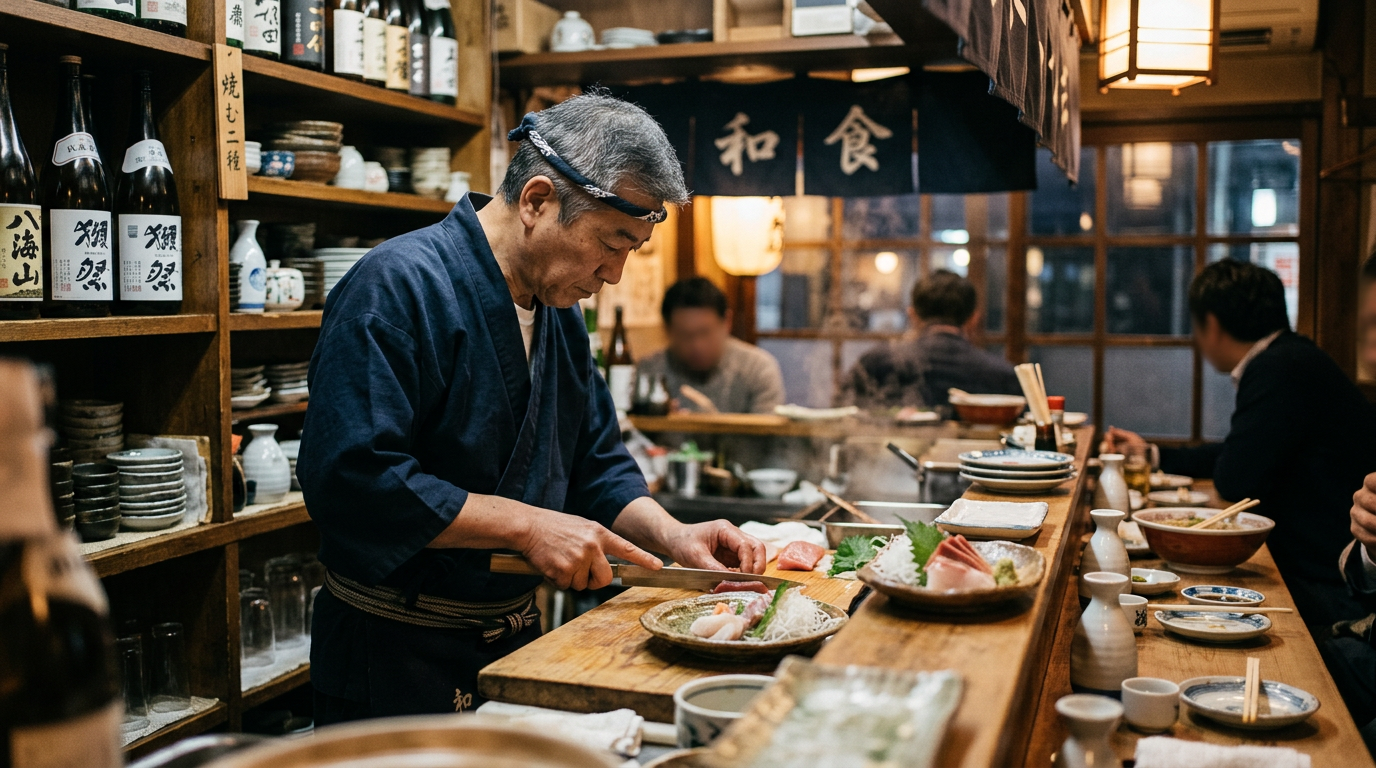
Why Authentic Japanese Restaurants Are Often Hard to Find Outside Japan
Japanese cuisine is loved around the world. Sushi, ramen, tempura, yakitori and Japanese curry have become familiar far beyond Japan. In many major cities, it is easy to find a restaurant that calls itself Japanese.
But finding a truly authentic Japanese restaurant can be much harder.
A restaurant may have a Japanese name, a sushi menu, a minimalist interior or a few Japanese ingredients. That does not necessarily mean it is deeply connected to Japanese food culture. Some restaurants are genuinely Japanese-run and led by chefs with serious Japanese training. Others are Japanese-inspired, adapted to local taste, or part of a broader Asian fusion concept.
This does not mean one category is automatically good and the other is automatically bad. But for diners who specifically want to experience authentic Japanese cuisine, the difference matters.
Japanese Food Became Global, but Often in Adapted Form
One reason authentic Japanese restaurants are hard to find is that Japanese food became global through adaptation.
Sushi is a good example. In many countries, sushi became popular through large rolls, heavy sauces, cream cheese, spicy mayonnaise and colorful toppings. These versions can be enjoyable, but they often differ significantly from the more restrained approach found in traditional sushi restaurants in Japan.
Ramen followed a similar path. Outside Japan, ramen is sometimes treated mainly as a trendy comfort food. In Japan, however, ramen shops often specialize deeply in broth, noodles, tare, aroma oil and regional style.
As Japanese food spread internationally, it often changed to fit local expectations. That made it more accessible, but it also made authenticity harder to recognize.
Many “Japanese” Restaurants Are Actually Broad Asian Concepts
In many cities, restaurants described as Japanese may also serve Korean, Chinese, Thai, Vietnamese or general Asian fusion dishes. You may see sushi, ramen, teriyaki, poke bowls, bao buns, pad thai and Korean barbecue-style items on the same menu.
This kind of restaurant can be commercially successful, especially in markets where customers want variety. But it is usually not the same as a restaurant rooted in a specific Japanese culinary tradition.
In Japan, restaurants often specialize. A ramen-ya focuses on ramen. A sushi-ya focuses on sushi. An izakaya focuses on small dishes and drinks. A soba restaurant focuses on soba. A tempura restaurant focuses on tempura.
A very broad menu is often a sign that the restaurant is designed around market demand rather than Japanese culinary structure.
Authenticity Is Often Hidden in Details
Authenticity in Japanese cuisine is not always obvious. It is often found in details that casual diners may not notice immediately.
These details can include:
- The texture and seasoning of the rice
- The balance of dashi
- The quality of noodles and broth
- Knife work
- Seasonality
- Proper use of condiments
- The structure of a set meal
- The way fish is cut and served
- The pacing of an omakase meal
- The restraint of seasoning and presentation
A restaurant can look very Japanese on the surface and still miss many of these details. Another restaurant may look modest and simple, but serve food that feels deeply authentic.
This is why visual appearance alone is not enough.
Japanese Ownership and Chef Background Are Hard to Verify
Two of the strongest signals of authenticity are Japanese ownership and Japanese kitchen leadership. But these are not always easy for diners to verify.
A restaurant’s website may not clearly explain who owns it. The chef’s background may not be visible. Online reviews often focus on taste, price or atmosphere, not on culinary authenticity. Search platforms usually categorize restaurants broadly as “Japanese” without explaining whether they are Japanese-owned, Japanese-chef-led or traditionally focused.
As a result, diners may have to search through interviews, local articles, menus, social media posts and community recommendations just to understand the restaurant’s actual background.
This is one of the problems Washoku Guide is designed to solve.
Local Taste Often Shapes the Menu
Restaurants outside Japan usually need to survive in local markets. That means they may adapt their menus to what local customers expect.
In some places, customers expect large portions, strong flavors, heavy sauces or broad menu variety. In others, customers may expect sushi rolls rather than nigiri, or ramen with extra toppings and rich presentation.
These adaptations are understandable from a business perspective. Restaurants need to attract customers and remain profitable. But over time, local adaptation can move the restaurant further away from traditional Japanese food culture.
The challenge is not adaptation itself. Japanese cuisine has always evolved. The question is whether the restaurant still preserves the core logic of the cuisine.
Truly Japanese Restaurants Are Sometimes Understated
Another reason authentic Japanese restaurants can be hard to find is that they are not always highly visible.
Some of the best Japanese-run restaurants abroad are small, quiet and understated. They may not invest heavily in marketing. They may have simple websites, limited social media activity or modest storefronts. Some may serve a loyal local Japanese community without trying to become a mainstream destination.
By contrast, more commercial Japanese-inspired restaurants may be easier to find online because they invest in branding, delivery platforms, paid ads and social media-friendly presentation.
The most visible restaurant is not always the most authentic one.
Japanese Cuisine Is More Diverse Than Many People Realize
Outside Japan, the word “Japanese restaurant” is often used very broadly. But Japanese cuisine includes many different formats and traditions.
Examples include:
- Sushi-ya
- Ramen-ya
- Izakaya
- Kaiseki
- Teishoku
- Soba restaurants
- Udon restaurants
- Tempura restaurants
- Yakitori restaurants
- Tonkatsu restaurants
- Unagi restaurants
- Shokudo
- Donburi shops
Each of these has its own logic, atmosphere and standards. A diner who only searches for “Japanese restaurant” may miss the more specific type of experience they actually want.
Understanding these categories makes it much easier to recognize authenticity.
Online Reviews Do Not Always Measure Authenticity
Platforms such as Google, Tripadvisor or delivery apps are useful for finding popular restaurants. But they do not necessarily measure authenticity.
A restaurant can have excellent ratings because it is friendly, affordable, convenient or adapted to local taste. Another restaurant may be more authentic but less familiar to local diners and therefore less highly rated.
Reviews often reward what the local market enjoys. They do not always tell you whether the food is close to what you would find in Japan.
This is why curation matters. Authenticity requires more than star ratings.
Authentic Does Not Always Mean Formal or Expensive
Some people associate authenticity with high-end sushi counters or expensive kaiseki restaurants. But authentic Japanese food can also be casual, affordable and everyday.
A small ramen shop can be authentic. A family-run teishoku restaurant can be authentic. A simple izakaya can be authentic. A modest soba restaurant can be authentic.
Authenticity is not about luxury. It is about cultural connection, technique, intention and respect for the cuisine.
The best Japanese dining experiences abroad are often not the most expensive. They are the ones that know exactly what they are trying to be.
Why Washoku Guide Exists
Washoku Guide was created to make authentic Japanese restaurants easier to discover.
Instead of treating every restaurant with sushi or ramen as equally Japanese, Washoku Guide looks for deeper signals of authenticity. These include Japanese ownership, Japanese chefs, traditional cooking approaches, focused concepts and meaningful connection to Japanese food culture.
The goal is not to exclude creativity or adaptation. The goal is to help diners understand what kind of Japanese restaurant they are choosing — and to highlight places that preserve the spirit of Japanese cuisine outside Japan.
Final Thought
Authentic Japanese restaurants are often hard to find outside Japan because authenticity is not always visible at first glance. It may be hidden behind ownership, chef training, technique, menu structure, restraint, seasonality and small details.
A Japanese name or a sushi menu is only the beginning. The real question is whether the restaurant is genuinely connected to Japanese culinary culture.
That is what makes the search more difficult — and also more rewarding.
Restaurants featured in this guide
Amsterdam
Akitsu
Akitsu is a beloved neighbourhood Japanese restaurant on Rozengracht in the Jordaan, offering honest sushi, udon, and sukiyaki at accessible prices. Its unpretentious atmosphere and consistently fresh ingredients have earned it a loyal local following for years.
Dubai
Akabeko
Akabeko opened in May 2024 as Dubai's first dedicated Japanese A5 wagyu yakiniku restaurant, housed in voco Dubai The Palm. Executive Chef Yosuke Matsuoka leads a nose-to-tail concept featuring up to 12 unique wagyu cuts cooked tableside, named after the legendary Japanese good-fortune red cow symbol.
Copenhagen
Akaton
Akaton is Copenhagen's first dedicated tonkatsu restaurant, sharing a building with yakitori counter Aotori, serving traditional Japanese set meals of breaded pork cutlet with rice, miso soup, shredded cabbage, and house pickles.
Madrid
Ageyoka Sabor de Osaka
Ageyoka Sabor de Osaka is Madrid's only specialist Osaka kushikatsu restaurant, run by Japanese owners from Osaka inside the vibrant Mercado Barceló. The menu centres on panko-crusted deep-fried skewers in the classic Osaka style, alongside tonkatsu, katsu sando and assorted Japanese soul food.
Continue reading
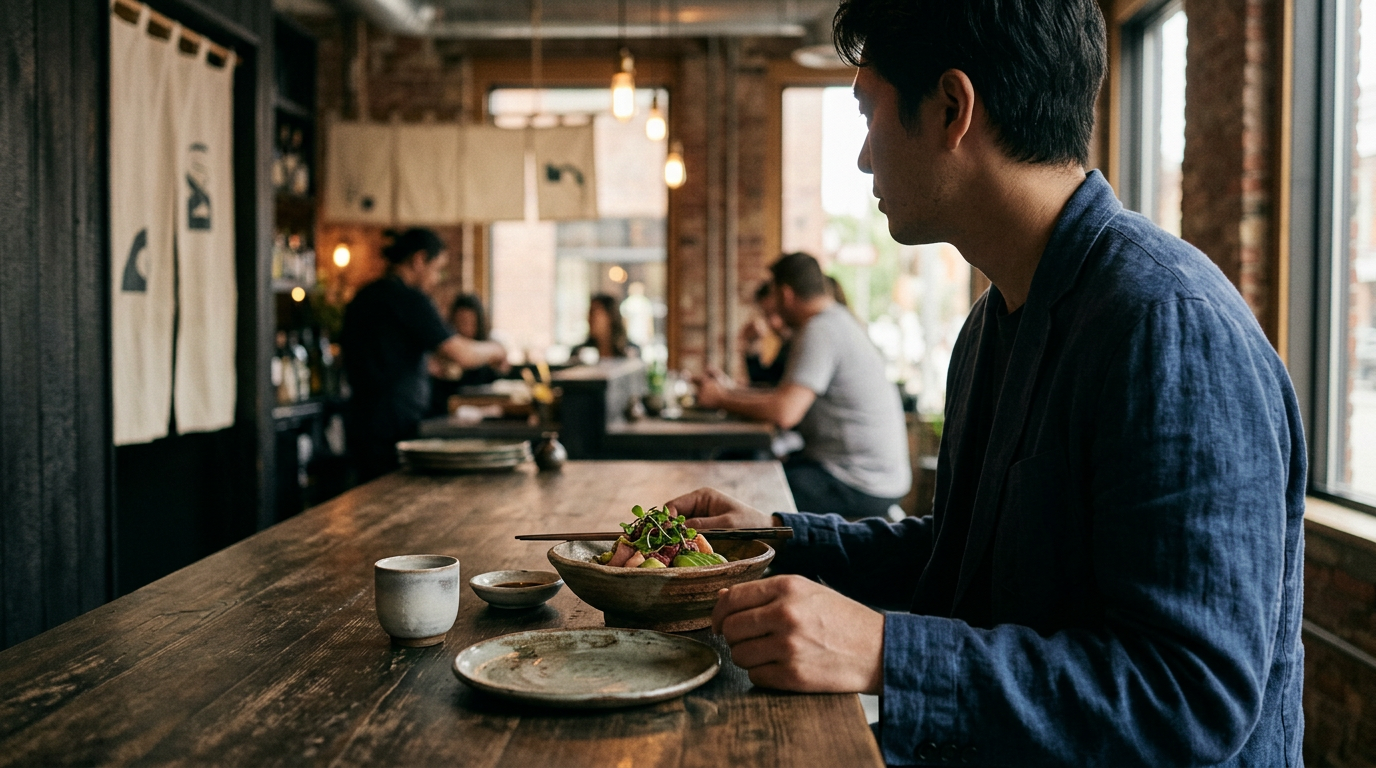
How Japanese Restaurants Abroad Adapt to Local Taste — and When It Becomes Fusion
Japanese restaurants abroad often balance authenticity with local expectations. Some changes are practical, such as using local ingredients or adjusting portion sizes. Others transform the cuisine into fusion. This guide explains where thoughtful adaptation ends and where Japanese-inspired fusion begins.
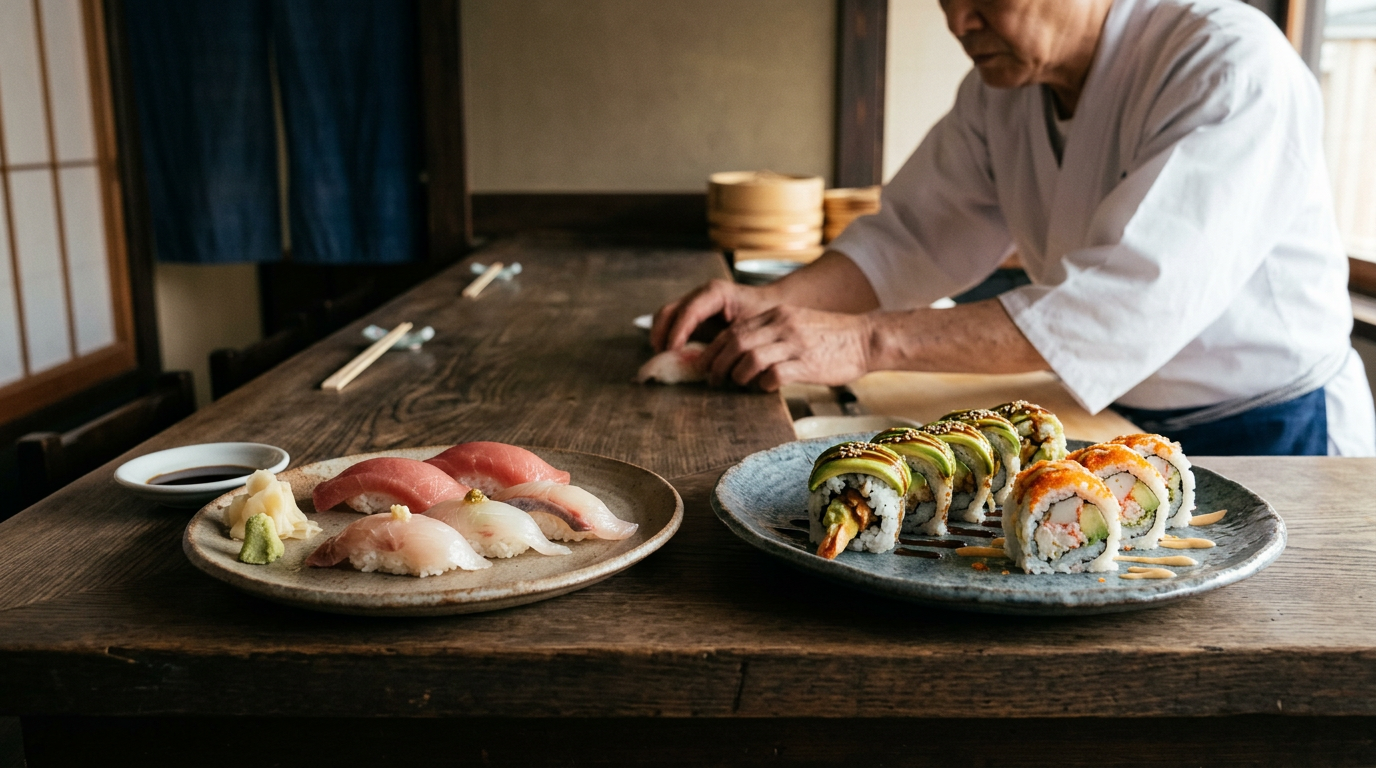
The Difference Between Authentic Sushi and Western-Style Sushi Rolls
Authentic Japanese sushi is built on rice, fish, balance, seasonality and precise technique. Western-style sushi rolls often focus more on size, sauces, toppings and visual impact. This guide explains the key differences and helps you understand what to look for when choosing a serious sushi restaurant.
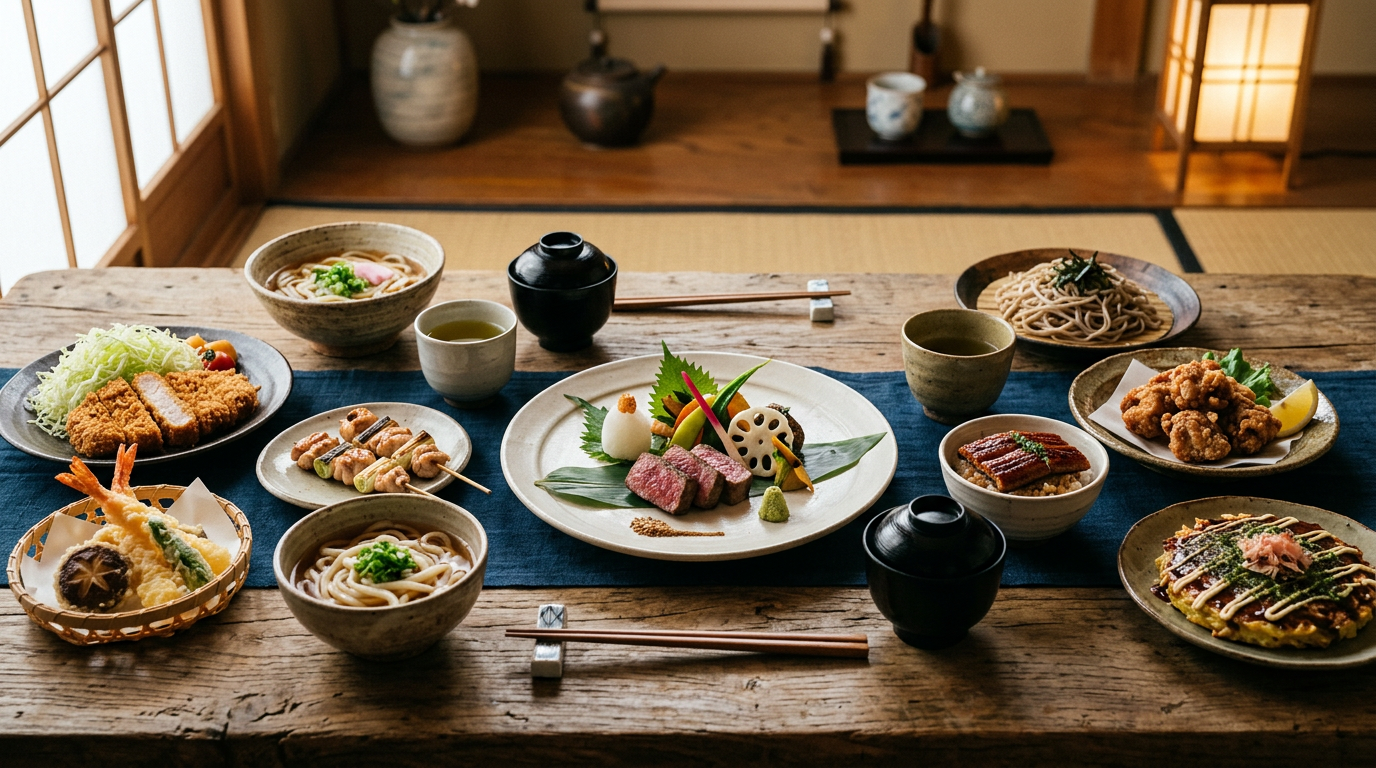
Beyond Sushi and Ramen: 10 Japanese Dishes You Should Know Before Choosing a Restaurant
Sushi and ramen may be the most famous Japanese foods abroad, but they represent only a small part of Japanese cuisine. From teishoku and tonkatsu to yakitori, soba, tempura and donburi, this guide introduces ten essential Japanese dishes and dining formats that can help you choose a better, more authentic Japanese restaurant.