Cuisine & Culture
Izakaya, Kaiseki, Ramen-ya, Sushi-ya and Teishoku: Understanding Japan’s Restaurant Types
A practical guide to the most important types of Japanese restaurants — and what each one reveals about Japanese food culture.
May 5, 2026 · 5 min read
Izakaya, Kaiseki, Ramen-ya, Sushi-ya and Teishoku: Understanding Japan’s Restaurant Types
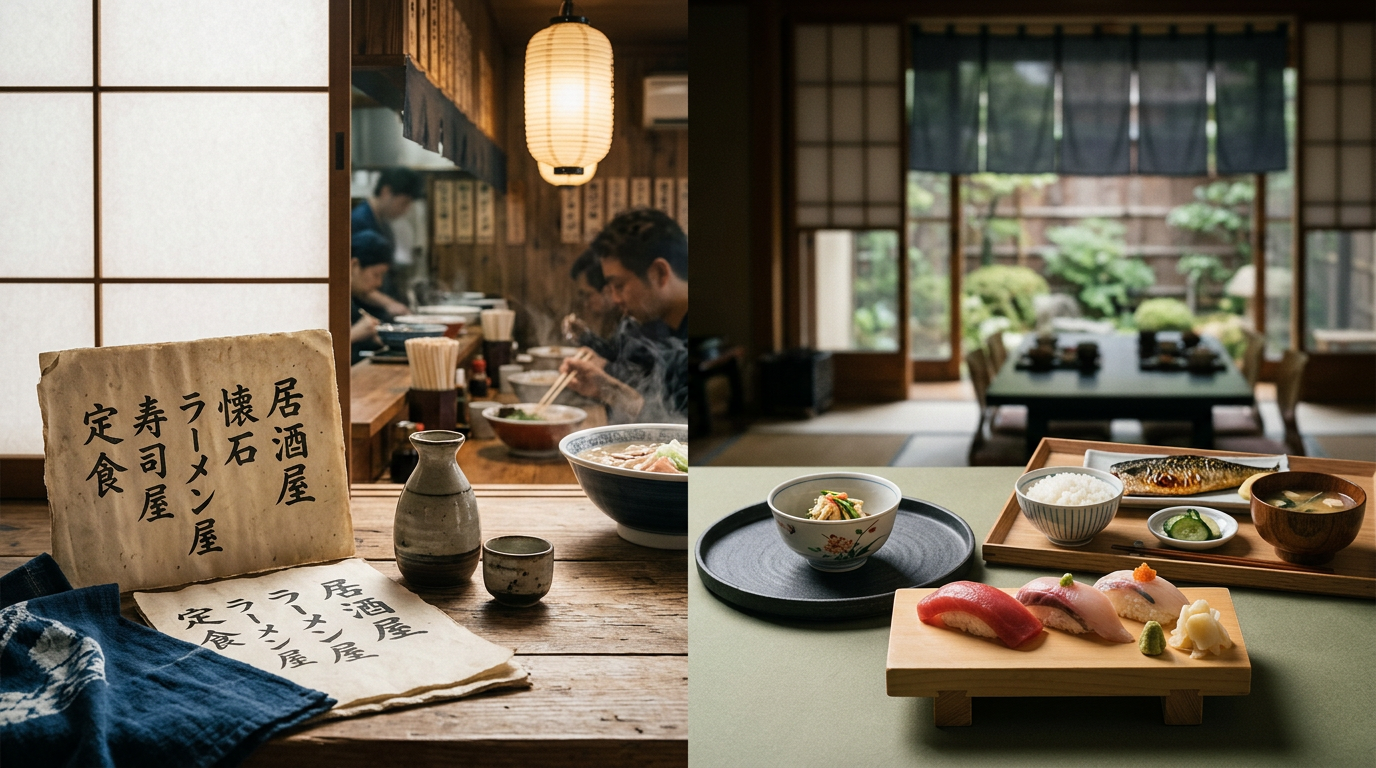
For many people outside Japan, “Japanese restaurant” often means sushi, ramen, or a broad menu offering a little bit of everything. But in Japan, restaurants are usually much more specialized. A sushi-ya is not the same as an izakaya. A ramen-ya is not a general noodle restaurant. And kaiseki is something entirely different from everyday Japanese dining.
Understanding these restaurant types helps you read menus better, choose the right place for the right occasion, and appreciate the cultural logic behind Japanese food.
Why Japanese Restaurants Are Often Specialized
Japanese food culture places a strong emphasis on specialization. Many restaurants focus on one category of food and try to perfect it over many years. This is why you will often find restaurants dedicated almost entirely to sushi, ramen, soba, tempura, yakitori, tonkatsu, or unagi.
This specialization is one reason why authentic Japanese restaurants can feel very different from generic “Asian fusion” or broad-menu Japanese restaurants abroad. In many cases, the narrower the concept, the more serious the restaurant is about its craft.
Izakaya: Japan’s Casual Drinking and Dining Culture
An izakaya is often described as a Japanese pub, but that only partly captures it. Izakaya are casual places where people drink, eat, talk, and share small dishes. They are common after-work destinations and are deeply connected to Japan’s social dining culture.
Typical izakaya dishes may include:
- Yakitori
- Karaage
- Edamame
- Sashimi
- Grilled fish
- Small seasonal dishes
- Pickles and other drinking snacks
The atmosphere is usually informal and lively. Food is important, but the experience is not only about eating. It is about spending time together over drinks and shared plates.
A good izakaya should feel relaxed, social, and food-focused without being overly formal.
Kaiseki: Refined Seasonal Japanese Cuisine
Kaiseki is one of the most refined forms of Japanese dining. It is usually served as a multi-course meal and places great emphasis on seasonality, presentation, ingredients, texture, and balance.
A kaiseki meal is not just a sequence of dishes. It is carefully composed to reflect the season, the region, and the chef’s philosophy. The tableware, pacing, and visual presentation all matter.
Kaiseki is often associated with:
- Seasonal ingredients
- Multiple small courses
- Elegant presentation
- Precise technique
- A calm, formal atmosphere
- Strong attention to detail
Kaiseki is usually more expensive than casual Japanese dining. It is best suited for special occasions, serious food exploration, or anyone interested in the most traditional and refined side of Japanese cuisine.
Ramen-ya: The World of Ramen Shops
A ramen-ya is a restaurant focused on ramen. In Japan, ramen is often treated as a serious specialty rather than a simple noodle soup. Many ramen shops focus on one style, one broth, or even one signature bowl.
Common ramen styles include:
- Shoyu ramen: soy sauce-based broth
- Shio ramen: salt-based broth
- Miso ramen: miso-based broth
- Tonkotsu ramen: pork bone broth
- Tsukemen: dipping noodles served separately from the broth
A good ramen-ya is usually judged by the quality of its broth, noodles, toppings, and overall balance. The best ramen shops often have a narrow menu and a clear identity.
Ramen dining is typically casual and quick. It is not usually a long, social meal. The focus is on the bowl.
Sushi-ya: The Craft of Sushi
A sushi-ya is a sushi restaurant, but there are many levels within this category. Some sushi restaurants are casual and affordable. Others are highly refined, with omakase menus where the chef chooses the sequence of pieces.
At a serious sushi-ya, the quality of the rice is just as important as the fish. Temperature, seasoning, texture, cutting technique, and timing all play a role.
A sushi-ya may offer:
- Nigiri
- Sashimi
- Maki
- Omakase menus
- Seasonal fish and seafood
- Counter seating with direct chef interaction
Authentic sushi is usually much more restrained than many Western-style sushi menus. Heavy sauces, cream cheese, large rolls, and excessive toppings are less typical of traditional sushi dining.
A serious sushi-ya is about precision, balance, and ingredient quality.
Teishoku: The Everyday Japanese Set Meal
Teishoku means a set meal. It is one of the most common and practical forms of everyday Japanese dining. A typical teishoku meal includes a main dish, rice, miso soup, pickles, and one or more small side dishes.
Common teishoku mains include:
- Grilled fish
- Tonkatsu
- Karaage
- Ginger pork
- Saba
- Tempura
- Hamburg steak in Japanese style
Teishoku is balanced, structured, and satisfying. It reflects the everyday logic of Japanese home-style eating: rice, soup, protein, vegetables, and pickles served together as a complete meal.
For someone who wants to understand normal Japanese food beyond sushi and ramen, teishoku is one of the best places to start.
How These Restaurant Types Differ
Each restaurant type serves a different purpose.
An izakaya is for relaxed social eating and drinking. Kaiseki is for refined, seasonal, multi-course dining. A ramen-ya is for focused noodle craftsmanship. A sushi-ya is for the precision and balance of sushi. Teishoku is for complete, everyday Japanese meals.
None of these categories is “better” than the others. They simply represent different parts of Japanese food culture.
Why This Matters When Choosing a Japanese Restaurant
Understanding restaurant types helps you avoid false expectations. You should not expect a ramen-ya to offer a broad menu. You should not expect an izakaya to feel like a formal fine-dining restaurant. You should not judge a serious sushi-ya by the size or creativity of its rolls.
Authentic Japanese restaurants often have a clear identity. They know what they are, and they do not try to be everything at once.
This is one of the key principles behind Washoku Guide: helping people find restaurants that are not just “Japanese-inspired,” but genuinely rooted in Japanese culinary culture.
Final Thought
Japanese cuisine is much broader than sushi and ramen, but it is also more structured than many people realize. Once you understand the difference between izakaya, kaiseki, ramen-ya, sushi-ya and teishoku, you begin to see Japanese restaurants with a more informed eye.
The next time you choose a Japanese restaurant, ask not only whether it is Japanese, but what kind of Japanese restaurant it is.
Continue reading
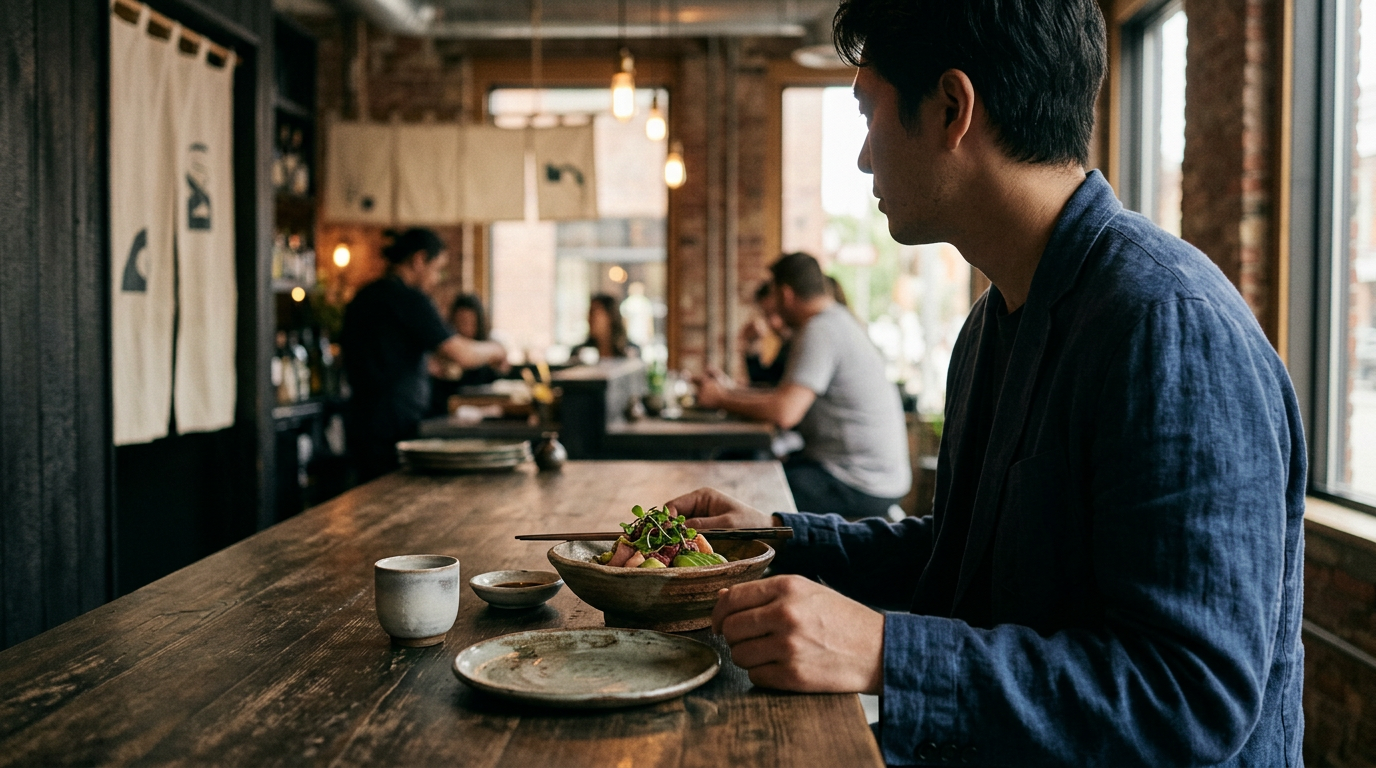
How Japanese Restaurants Abroad Adapt to Local Taste — and When It Becomes Fusion
Japanese restaurants abroad often balance authenticity with local expectations. Some changes are practical, such as using local ingredients or adjusting portion sizes. Others transform the cuisine into fusion. This guide explains where thoughtful adaptation ends and where Japanese-inspired fusion begins.
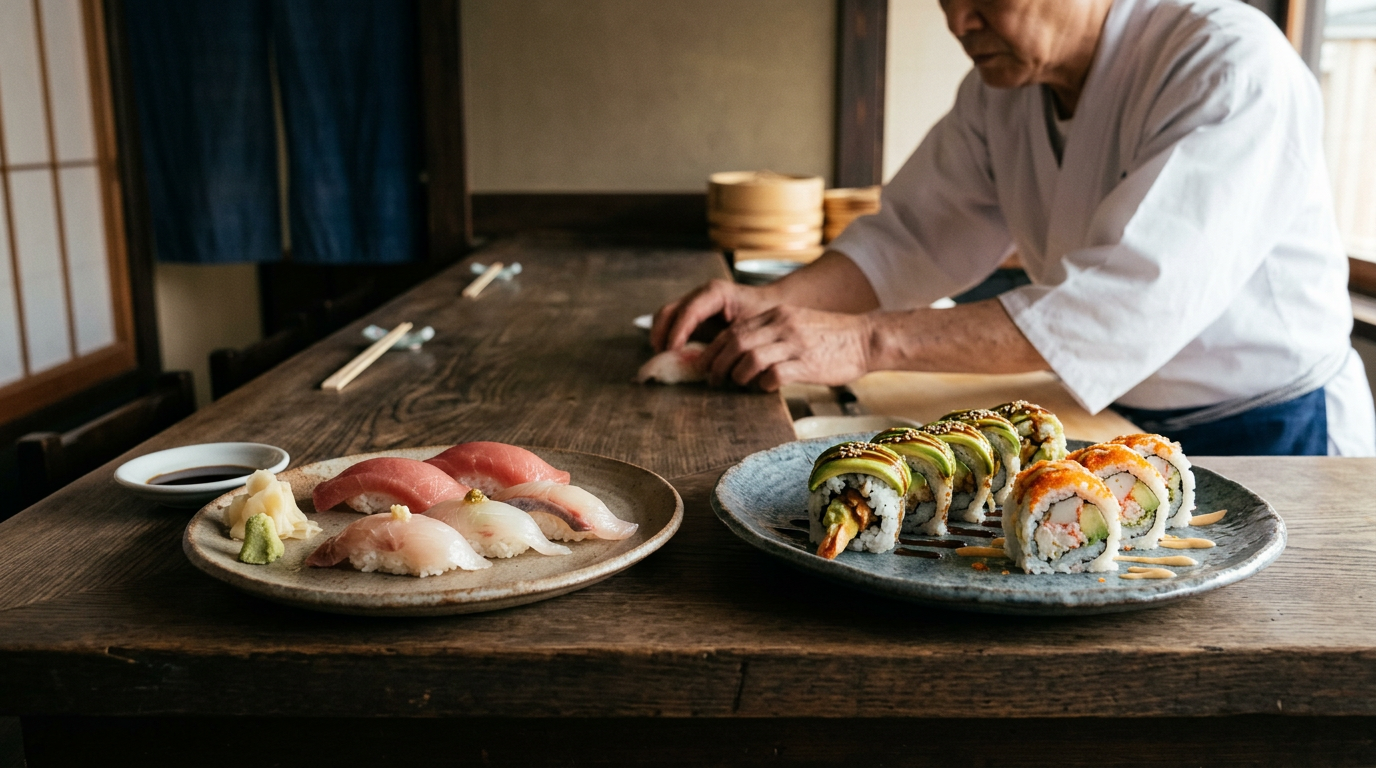
The Difference Between Authentic Sushi and Western-Style Sushi Rolls
Authentic Japanese sushi is built on rice, fish, balance, seasonality and precise technique. Western-style sushi rolls often focus more on size, sauces, toppings and visual impact. This guide explains the key differences and helps you understand what to look for when choosing a serious sushi restaurant.
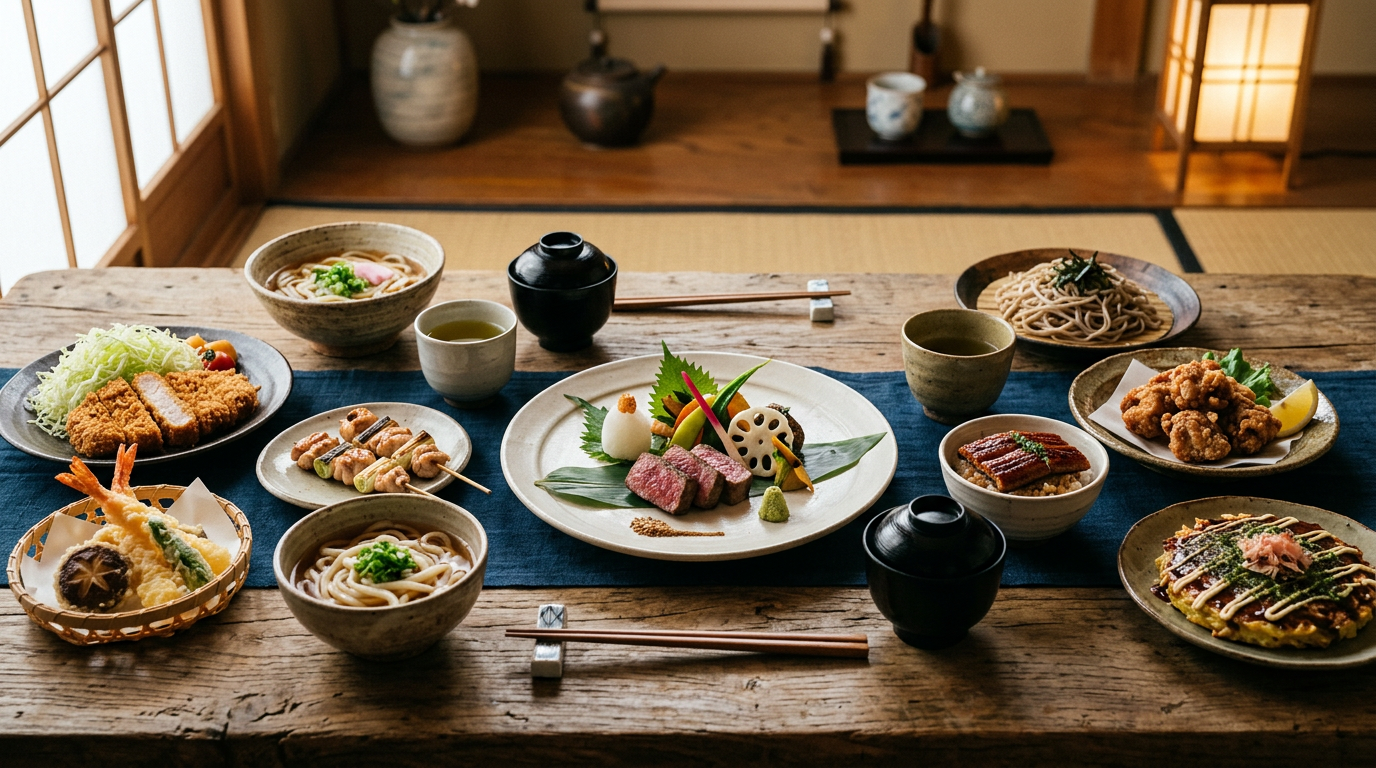
Beyond Sushi and Ramen: 10 Japanese Dishes You Should Know Before Choosing a Restaurant
Sushi and ramen may be the most famous Japanese foods abroad, but they represent only a small part of Japanese cuisine. From teishoku and tonkatsu to yakitori, soba, tempura and donburi, this guide introduces ten essential Japanese dishes and dining formats that can help you choose a better, more authentic Japanese restaurant.