Shanghai · 寿司

Authentic Sushi
in Shanghai.

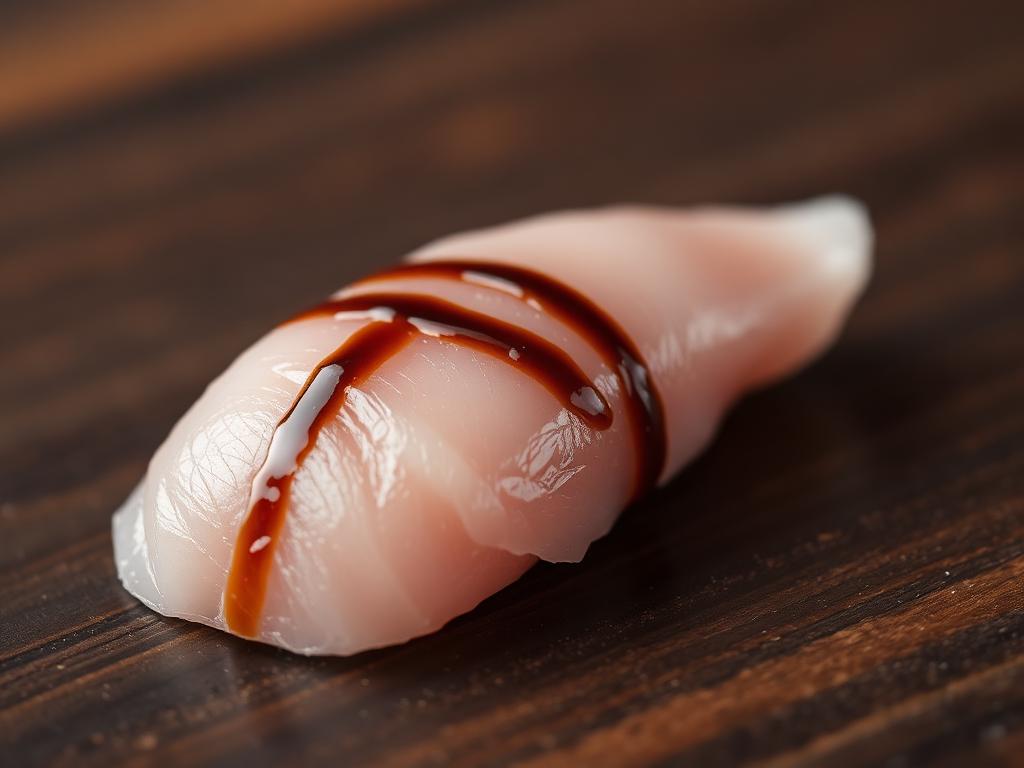
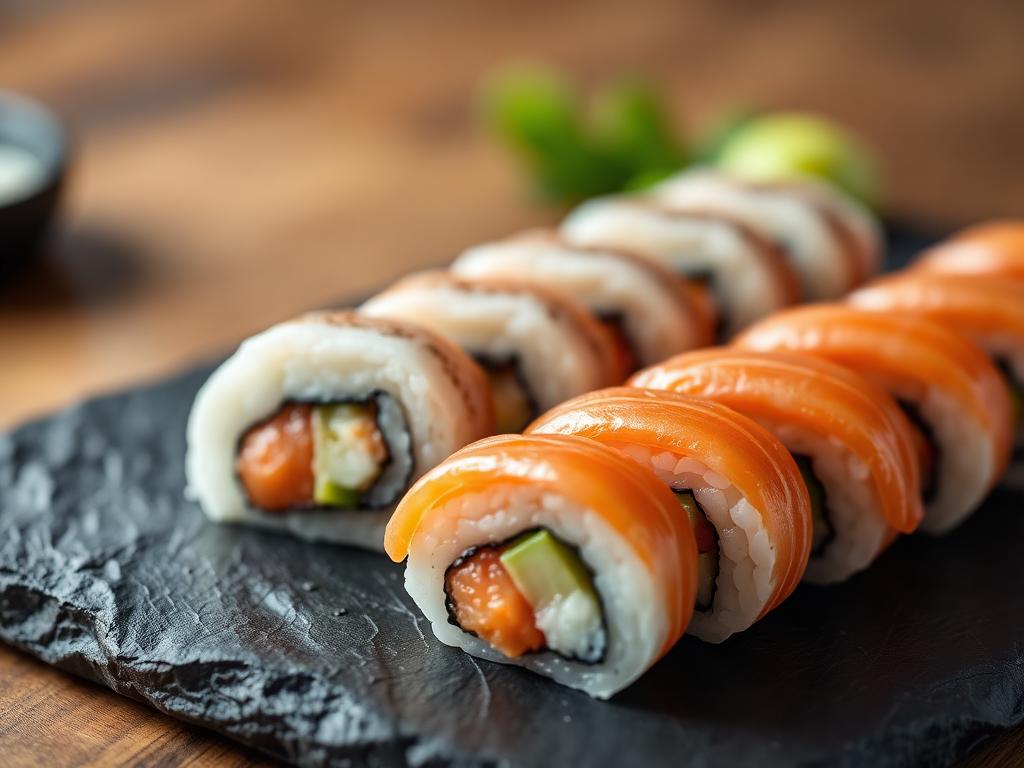
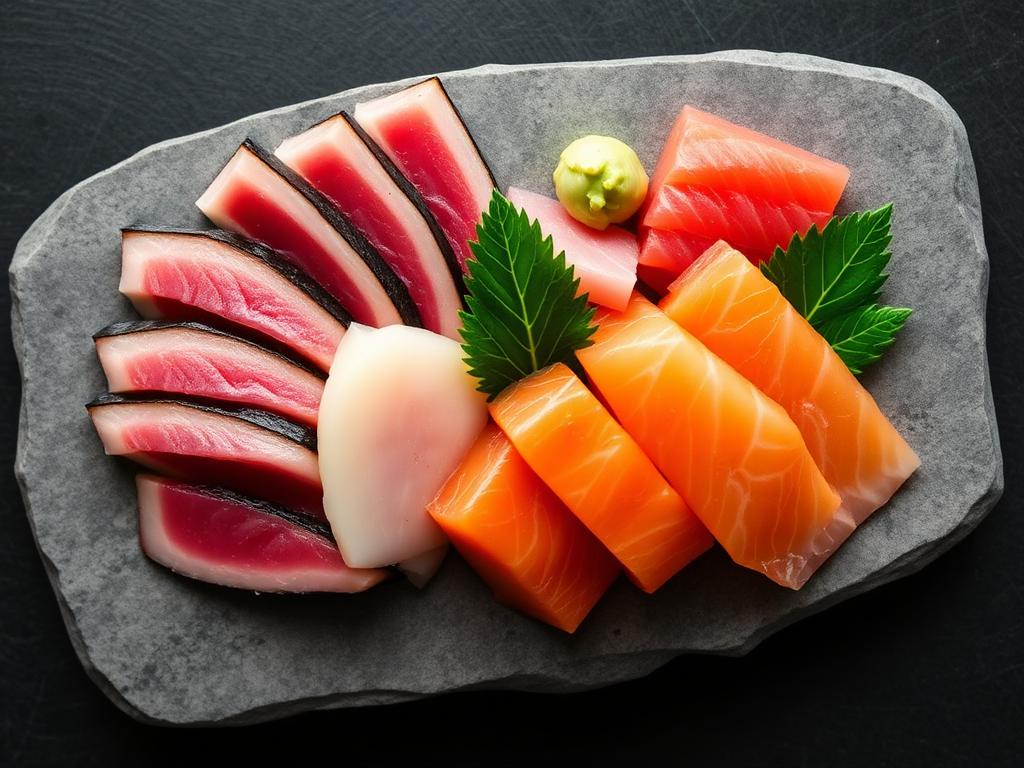
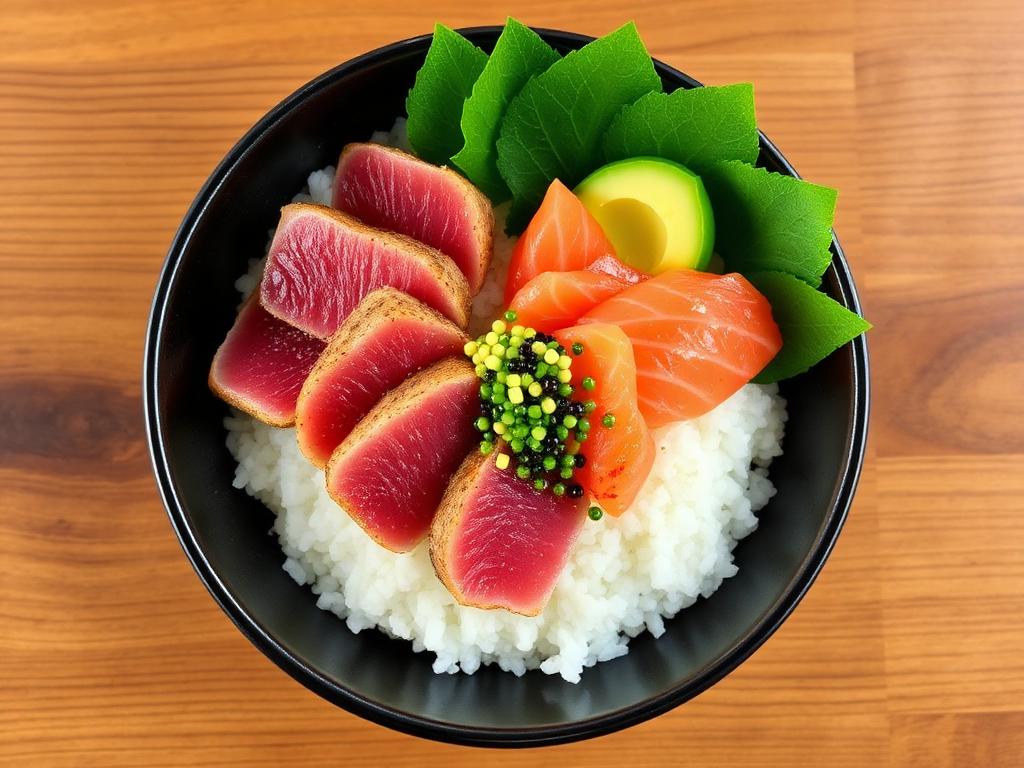
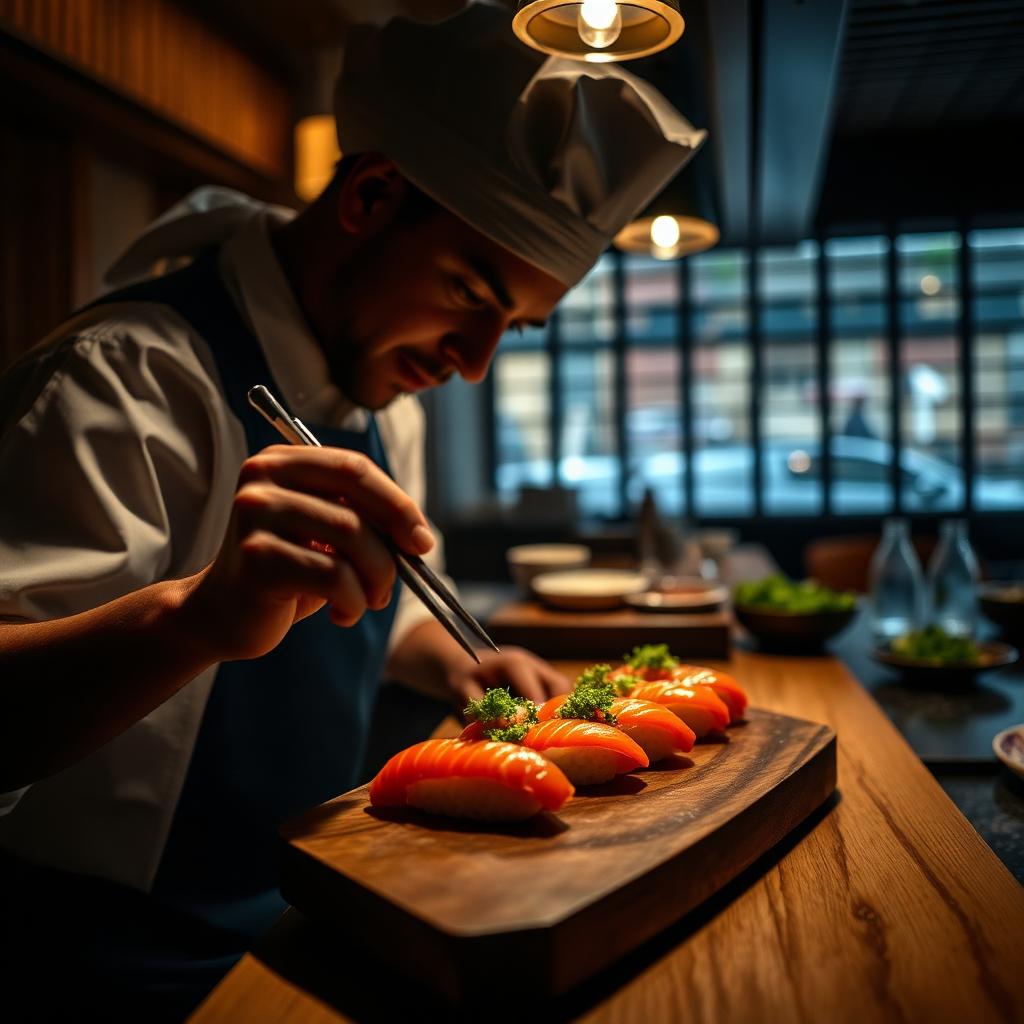
From edomae traditions to chef-led omakase counters: precise rice, aged fish, and quiet rooms where the meal moves at the chef's pace.

02
Hulu Sushi 葫芦寿司 — authentic japanese restaurant in Shanghai, Changning

Hulu Sushi 葫芦寿司

¥¥¥¥
Changning · Sushi · omakase
JapaneseOmakaseEdomaeSushi

Hulu Sushi is an intimate 12-seat omakase restaurant on Xingfu Road, tucked inside Pirata, where chef-owner Liu-San — a seven-year veteran of Sushi Oyama — delivers a lively, flavor-driven omakase. Expect creative touches like torched toro crowned with uni, layered ebi-scallop-sea urchin combinations, and a menu that changes nightly.

View restaurant →
03
Love Sushi 瑷鮨 — authentic japanese restaurant in Shanghai, Jing'an

Love Sushi 瑷鮨

¥¥¥¥
Jing'an · Sushi · omakase
JapaneseOmakaseKaisekiSushi

Love Sushi is the flagship omakase counter of Sun-San's restaurant group, positioned on the top floor of Plaza 66 in Jing'an. Under 20-year Japanese cuisine veteran chef Ma Jianjian, the menu delivers first-choice geoduck, sea urchin, abalone, and king crab across lunch and dinner kaiseki-sushi sets reaching ¥1,280 per person.

View restaurant →
04
Ochiyo 御千代·鮨 — authentic japanese restaurant in Shanghai, Changning

Ochiyo 御千代·鮨

¥¥¥¥
Changning · Sushi · omakase
JapaneseOmakaseEdomaeKaisekiSushi

Ochiyo is a high-caliber omakase restaurant in Changning led by chef Sun-San, whose Oyama-school pedigree and meticulous sourcing of seasonal Japanese produce have made it a benchmark for serious sushi enthusiasts in Shanghai. Every meal is different, reflecting what Sun-San has imported or sourced that week.

View restaurant →
06
Sasano Sushi House 酒吞 — authentic japanese restaurant in Shanghai, Minhang / Hongqiao

Sasano Sushi House 酒吞

¥¥¥
Minhang / Hongqiao · Sushi · a la carte
JapaneseSushiSashimiSakeTatami

Sasano Sushi House is one of Minhang's most enduring Japanese dining institutions, offering tatami private rooms, shoes-off traditional entry, and impeccably fresh sashimi and sushi in an atmosphere that transports Japanese expat guests back home. With four locations across Shanghai, the brand has maintained consistent quality and service over many years.

View restaurant →
08
Sushi by YISEA — authentic japanese restaurant in Shanghai, Pudong

Sushi by YISEA

¥¥¥
Pudong · Sushi · a la carte
JapaneseSushiOmakaseHotel dining

Sushi by YISEA is the dedicated sushi counter at the Pudong Shangri-La's Grand Tower ground floor, featuring an open bar where guests can watch skilled sushi artisans at work using the finest seasonal Japanese and Chinese ingredients. It sits within the broader YISEA Japanese dining destination spread across floors one and two.

View restaurant →
12
Uni Shushi 单品寿司 — authentic japanese restaurant in Shanghai, Jing'an

Uni Shushi 单品寿司

¥¥¥
Jing'an · Sushi · omakase
JapaneseOmakaseSushiKaiseki

Uni Shushi is a 12-seat omakase counter in PAC Mall, Jing'an, conceived by Ochiyo's celebrated chef Sun-San and helmed by his disciple Wang Yang. Offering the Oyama-school kaiseki-sushi experience at a more accessible ¥498–¥698 price point, it has quickly become one of Jing'an's most compelling omakase options.

View restaurant →
Other Japanese cuisines in Shanghai
FAQ

Questions, answered.

What makes sushi in Shanghai authentic?
From edomae traditions to chef-led omakase counters: precise rice, aged fish, and quiet rooms where the meal moves at the chef's pace. In Shanghai, we apply the same standard: chefs trained in the discipline, ingredients and technique consistent with Japanese practice, and a focused sushi-first format rather than a mixed menu.
How do you define authenticity?
Washoku Guide defines authenticity by the kitchen's grounding in Japanese culinary tradition: trained chefs (often in Japan), techniques and ingredients consistent with Japanese practice, a focused menu rather than a pan-Asian one, and a coherent dining format (sushi-ya, ramen-ya, izakaya, kaiseki, etc.). We weigh these signals together — no single factor decides.
Do you require Japanese ownership?
No. Japanese ownership is one positive signal, but it is not required. We also recognise restaurants with Japanese-led kitchens or non-Japanese chefs who have trained extensively in Japan and apply traditional techniques with discipline. What matters is the cooking, not the passport.
How are restaurants selected?
Each entry is researched and chosen by Washoku Guide editors — not voted in, not paid for, and not algorithmically ranked. We read kitchen biographies, study menus, talk to people in the industry, and visit when possible. Restaurants pay nothing to be listed.
Are the listings ranked?
No. Washoku Guide is a curated guide, not a ranking. Order on a city page is editorial and may change as the guide evolves; it does not imply that #1 is better than #5. Every listed restaurant has met our authenticity bar.
Are these the only authentic sushi restaurants in Shanghai?
These are the ones Washoku Guide has researched and stands behind today. The guide grows over time; if you know an authentic sushi restaurant in Shanghai we should consider, please get in touch.