Shanghai · ラーメン

Authentic Ramen
in Shanghai.

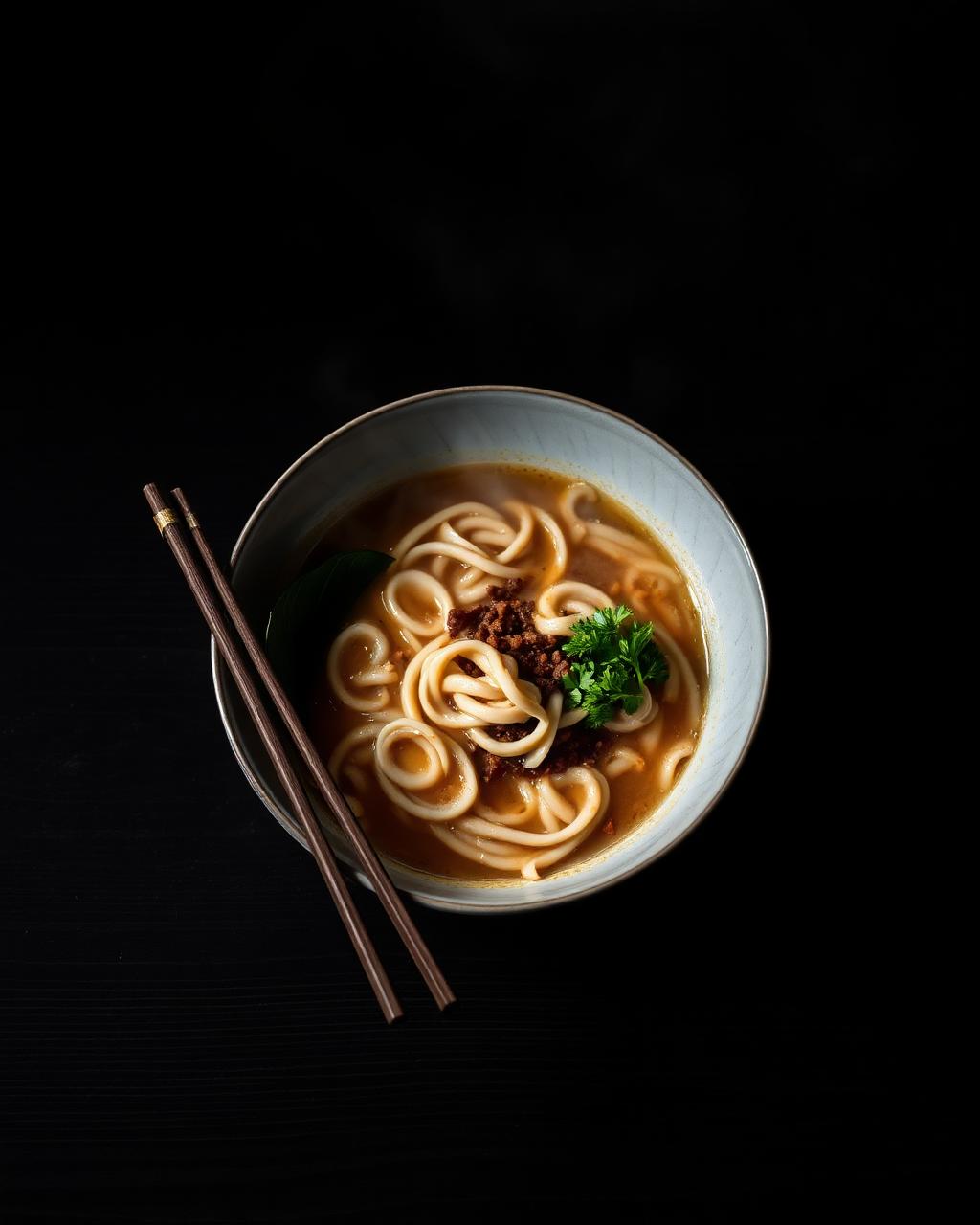
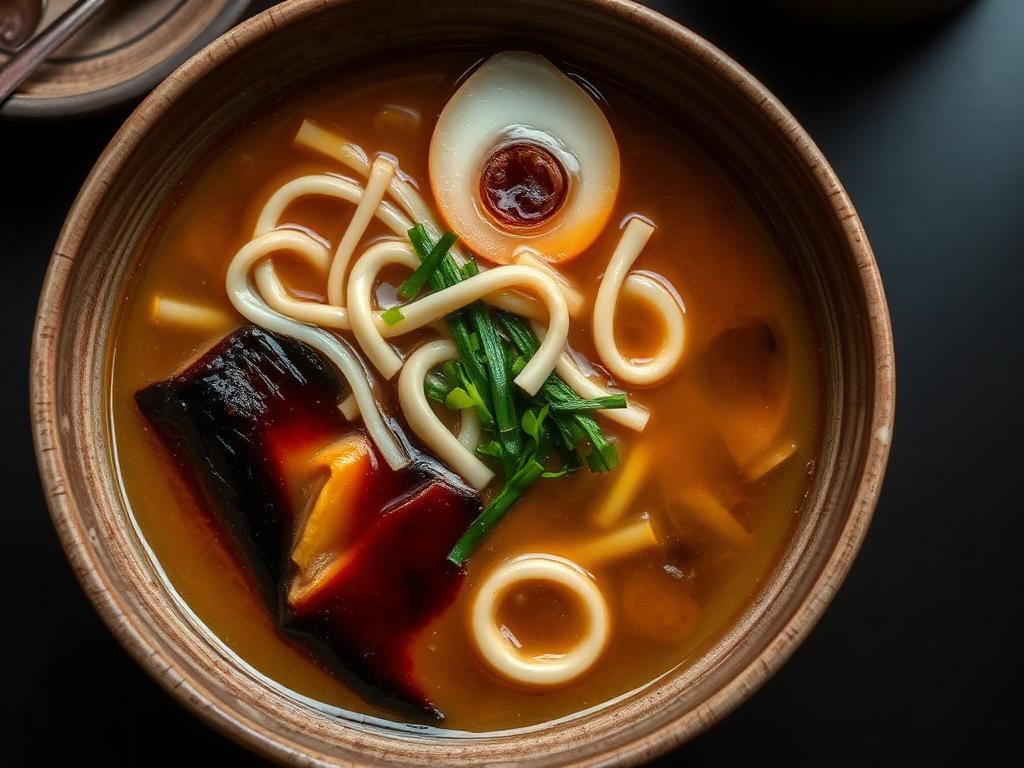
Bowls built on hours-long stocks and house-made noodles — tonkotsu, shoyu, shio, miso. Counted by clarity of broth, not by queues.

04
Kingichi 無双东京 — authentic japanese restaurant in Shanghai, Huangpu

Kingichi 無双东京

¥¥
Huangpu · Ramen · counter
JapaneseRamenTonkotsuIberico pork

Kingichi (無双東京, 'Peerless Tokyo') is a minimalist single-counter ramen shop near People's Square, celebrated by Nomfluence and City News Service for one of Shanghai's cleanest, most luscious tonkotsu broths. The five-ramen menu is focused, precise, and bolstered by an excellent Iberico pork tonkatsu.

View restaurant →
05
Kyu-Hai 玖杯 — authentic japanese restaurant in Shanghai, Huangpu

Kyu-Hai 玖杯

¥¥
Huangpu · Ramen · counter
JapaneseRamenChicken BrothIzakayaYakitori

Kyu-Hai (玖杯) is a Japanese-chef-run ramen and izakaya on Nanchang Road, steps from IAPM. Chef Hajime Fujita prepares his chicken broth fresh every day, producing one of the cleanest and most satisfying chicken ramen bowls in Shanghai.

View restaurant →
10
Qizheng Japanese Tonkotsu Ramen 柒鉦·日式豚骨拉麵 — authentic japanese restaurant in Shanghai, Jing'an

Qizheng Japanese Tonkotsu Ramen 柒鉦·日式豚骨拉麵

¥
Jing'an · Ramen · counter
JapaneseRamenTonkotsuJapanese-style

Qizheng (柒鉦) is a compact Jing'an ramen counter run by a former hotel chef using a recipe from his family's 30-year-old noodle shop in Niigata, Japan. The narrow corridor-style bar is considered one of the most atmospheric authentic ramen shops in the district, praised by City News Service and Papermedia for its eggy alkaline ribbons and ultra-rich yet not-overfilling tonkotsu broth.

View restaurant →
11
Ramen Shichiton 七豚 — authentic japanese restaurant in Shanghai, Huangpu

Ramen Shichiton 七豚

¥
Huangpu · Ramen · counter
JapaneseRamenTonkotsuJiro-style

Ramen Shichiton (七豚, 'Seven Pigs') is a no-frills tonkotsu ramen specialist in Huangpu with two tiny locations one block apart, renowned for giant portions of Jiro-style and Yokohama-style pork bone ramen with extra-thick egg noodles and free noodle refills.

View restaurant →
Other Japanese cuisines in Shanghai
FAQ

Questions, answered.

What makes ramen in Shanghai authentic?
Bowls built on hours-long stocks and house-made noodles — tonkotsu, shoyu, shio, miso. Counted by clarity of broth, not by queues. In Shanghai, we apply the same standard: chefs trained in the discipline, ingredients and technique consistent with Japanese practice, and a focused ramen-first format rather than a mixed menu.
How do you define authenticity?
Washoku Guide defines authenticity by the kitchen's grounding in Japanese culinary tradition: trained chefs (often in Japan), techniques and ingredients consistent with Japanese practice, a focused menu rather than a pan-Asian one, and a coherent dining format (sushi-ya, ramen-ya, izakaya, kaiseki, etc.). We weigh these signals together — no single factor decides.
Do you require Japanese ownership?
No. Japanese ownership is one positive signal, but it is not required. We also recognise restaurants with Japanese-led kitchens or non-Japanese chefs who have trained extensively in Japan and apply traditional techniques with discipline. What matters is the cooking, not the passport.
How are restaurants selected?
Each entry is researched and chosen by Washoku Guide editors — not voted in, not paid for, and not algorithmically ranked. We read kitchen biographies, study menus, talk to people in the industry, and visit when possible. Restaurants pay nothing to be listed.
Are the listings ranked?
No. Washoku Guide is a curated guide, not a ranking. Order on a city page is editorial and may change as the guide evolves; it does not imply that #1 is better than #5. Every listed restaurant has met our authenticity bar.
Are these the only authentic ramen restaurants in Shanghai?
These are the ones Washoku Guide has researched and stands behind today. The guide grows over time; if you know an authentic ramen restaurant in Shanghai we should consider, please get in touch.