Miami · 居酒屋

Authentic Izakaya
in Miami.

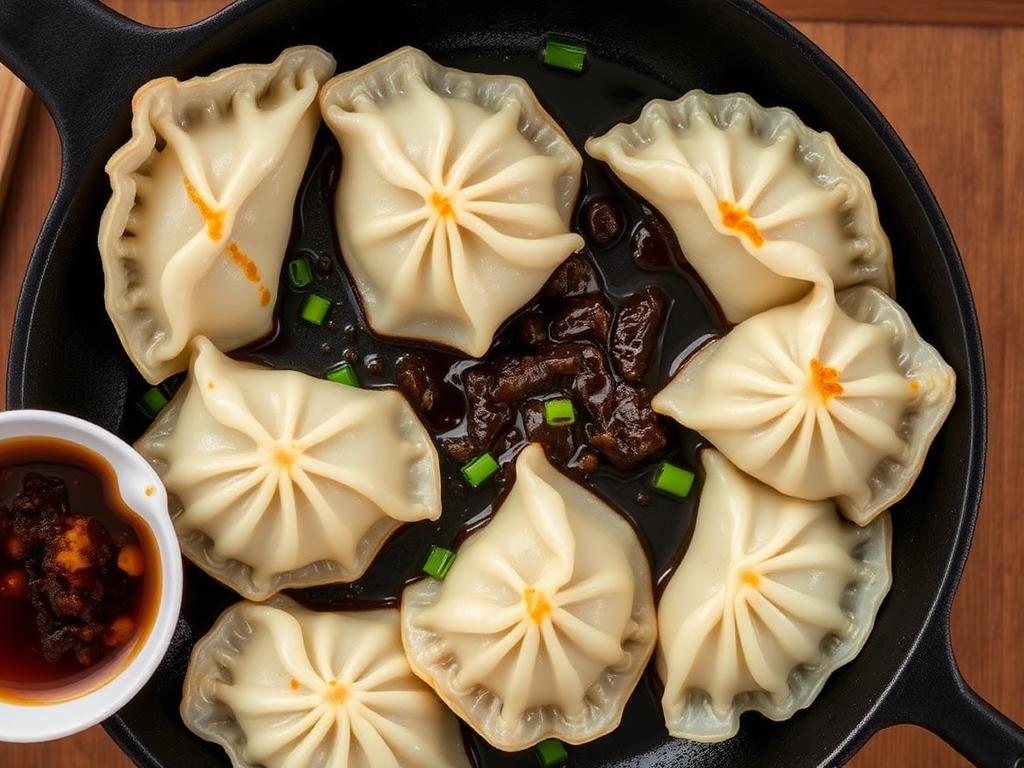
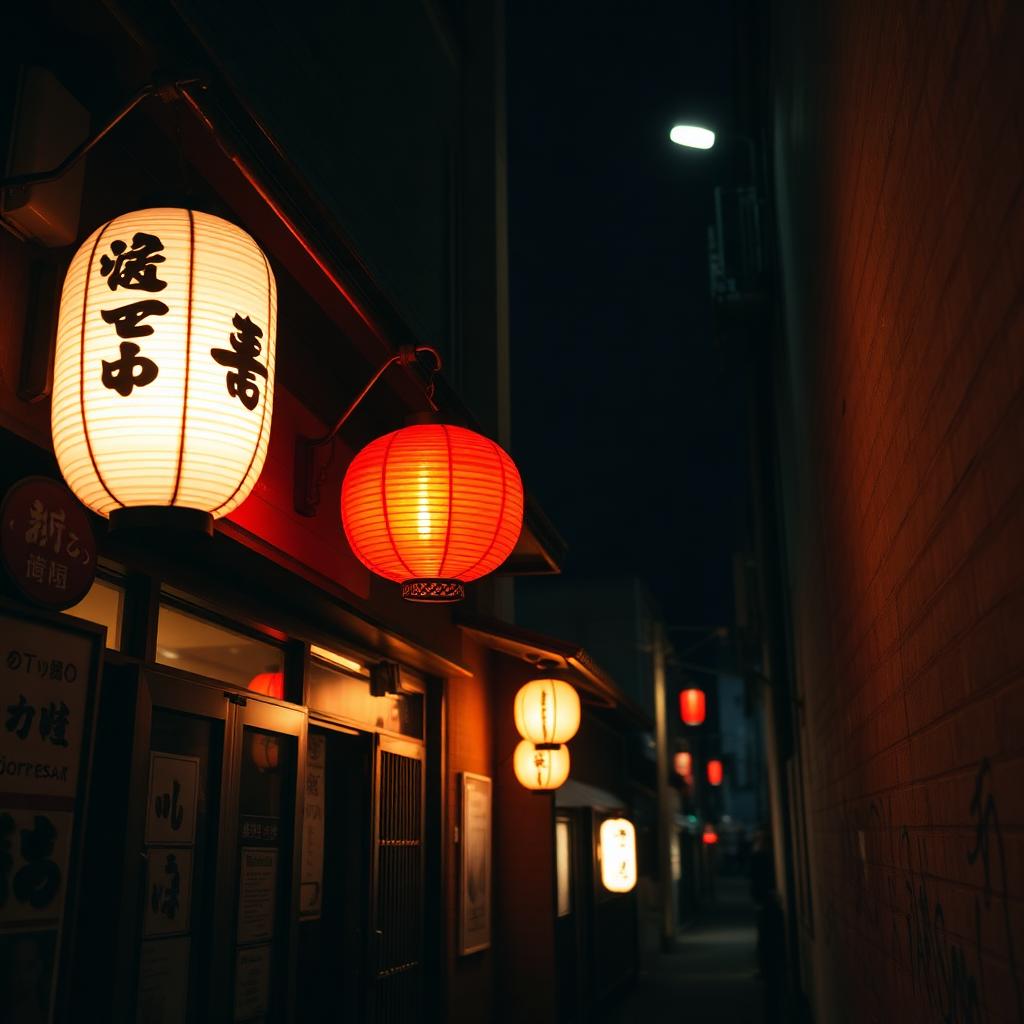
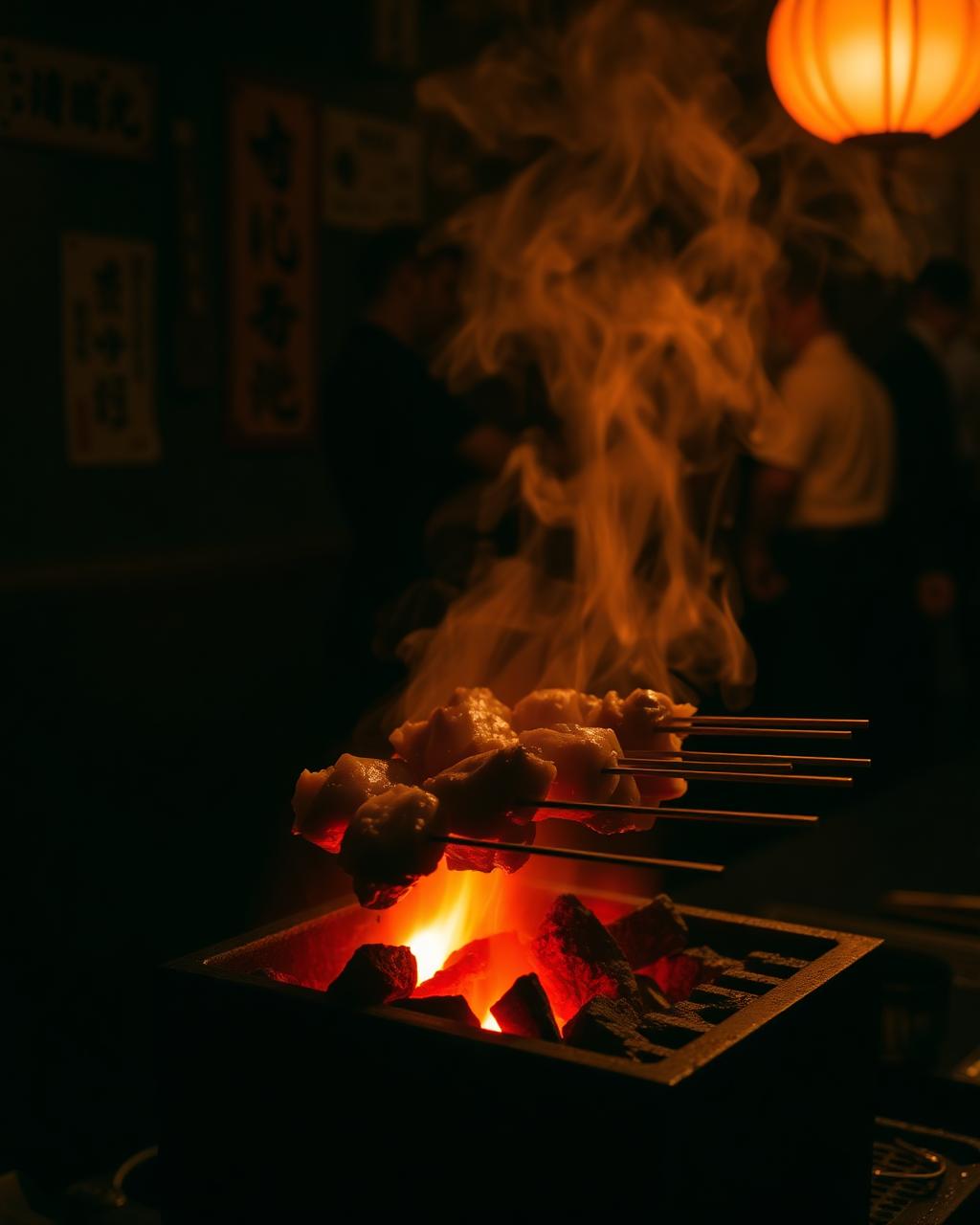
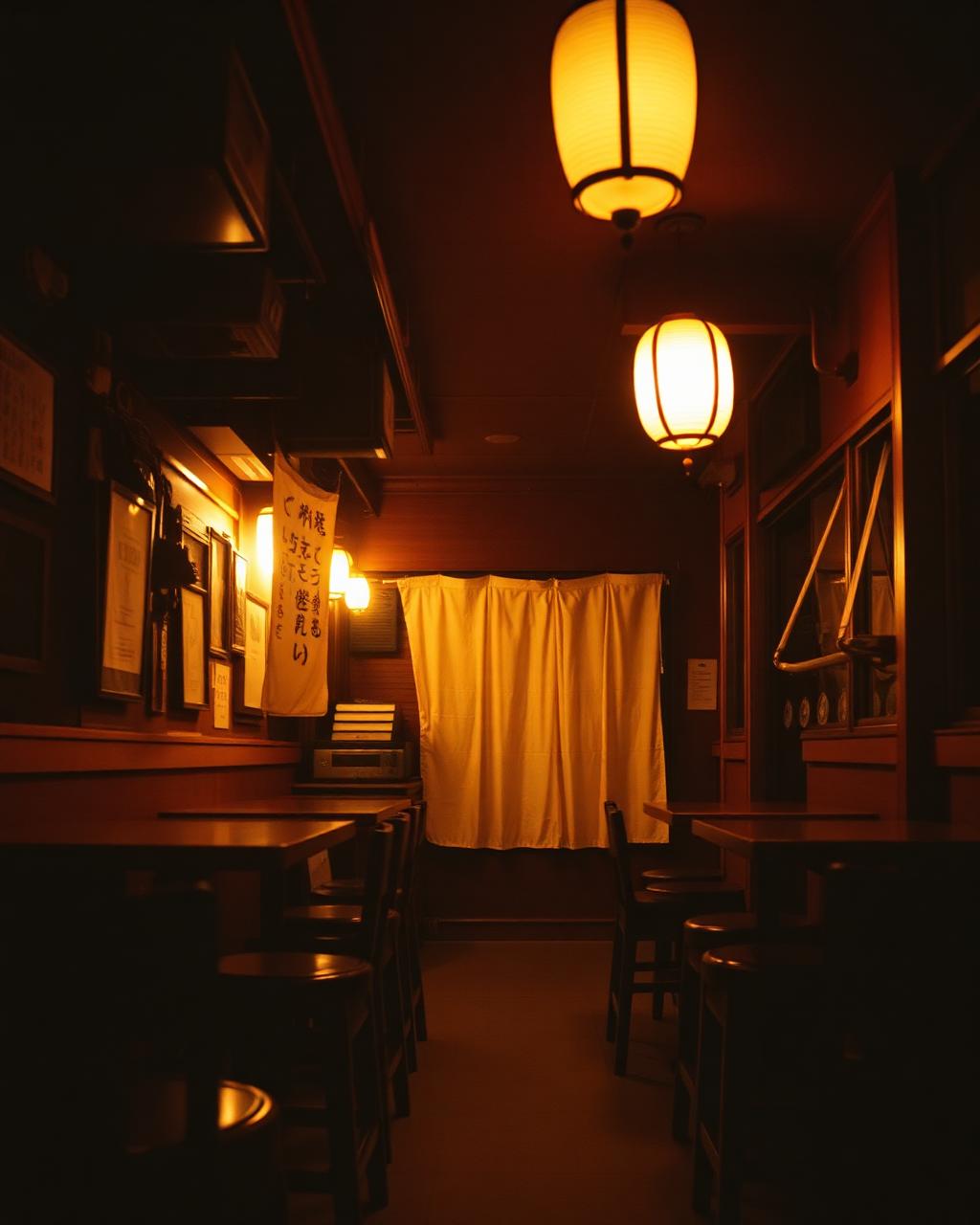
Japanese taverns: small plates, charcoal grills, sake and shochu. The room matters as much as the food.

02
AlleyCat Izakaya & Sunset Sushi Omakase — authentic japanese restaurant in Miami, Downtown Boca Raton, Palm Beach County

AlleyCat Izakaya & Sunset Sushi Omakase

¥¥¥
Downtown Boca Raton, Palm Beach County · Izakaya · omakase
JapaneseIzakayaOmakaseSushiJapanese-French Fusion

AlleyCat Izakaya and the adjoining Sunset Sushi Omakase counter are Boca Raton's most energetic and creative Japanese dining destination, a collaboration between Japan-trained sushi master David Bouhadana and French-trained izakaya specialist Eric Baker. The dual-concept space offers everything from $160 per person omakase to casual shareable izakaya plates.

View restaurant →
03
Dragonfly Izakaya & Fish Market — authentic japanese restaurant in Miami, Downtown Doral

Dragonfly Izakaya & Fish Market

¥¥¥
Downtown Doral · Izakaya · a la carte
JapaneseIzakayaFish MarketJapanese Robata

Dragonfly Izakaya & Fish Market in Downtown Doral is a Tokyo Tsukiji-inspired concept co-founded by Japanese-Chinese immigrant Hirofumi Leung, with an attached fresh seafood market and Japanese chef de cuisine Masa Hamaya. From robata-grilled skewers to daily-fresh sashimi and an omakase option, it is consistently voted one of the best Japanese restaurants in Miami.

View restaurant →
05
Marumi Sushi — authentic japanese restaurant in Miami, Plantation, Broward County

Marumi Sushi

¥¥
Plantation, Broward County · Izakaya · a la carte
JapaneseIzakayaSushiLate-Night

Marumi Sushi in Plantation is co-owned by Japanese chefs Teruhiko Iwasaki and Tetsu Hayakawa, offering a daily-changing izakaya menu of Japanese small plates, sushi, and Japanese-imported ingredients in a cozy neighborhood atmosphere open until 1:30 AM. Iwasaki's prior tenure as head chef at the celebrated Yakko-San in Miami is the best possible credential for the quality on offer.

View restaurant →
07
Moshi Moshi Miami Beach — authentic japanese restaurant in Miami, Miami Beach (South Beach)

Moshi Moshi Miami Beach

¥¥
Miami Beach (South Beach) · Izakaya · a la carte
JapaneseIzakayaSushiLate-Night

Moshi Moshi Miami Beach has been the go-to late-night Japanese izakaya on Washington Avenue since 1997, offering an extensive menu of sushi rolls, sake tapas, ramen, and A5 Wagyu until 5 AM. Founded by Japanese chef and SushiMasters champion Toshio Furihata, it serves both authentic Japanese comfort food and creative modern rolls in a welcoming, casual atmosphere.

View restaurant →
08
Moshi Moshi MiMo — authentic japanese restaurant in Miami, MiMo District, Miami

Moshi Moshi MiMo

¥¥
MiMo District, Miami · Izakaya · a la carte
JapaneseIzakayaSushiLate-Night

Moshi Moshi MiMo is the Biscayne Boulevard outpost of Toshio Furihata's long-running Japanese izakaya brand, bringing the same late-night sushi, sake tapas, and A5 Wagyu menu to Miami's MiMo District. Like its sister locations, it maintains the authentic izakaya ethos that has made the brand a Miami institution since 1997.

View restaurant →
09
Su-Shin Izakaya — authentic japanese restaurant in Miami, Coral Gables

Su-Shin Izakaya

¥¥
Coral Gables · Izakaya · a la carte
JapaneseIzakayaMacrobiotic JapaneseHistoric

Su-Shin Izakaya is Miami's original authentic Japanese restaurant, founded in 1977 by Chika and Yasuko Abe — who brought both traditional Japanese cooking and macrobiotic philosophy from Japan to Coral Gables. Nearly five decades of Japanese family ownership make it a singular historic anchor in South Florida's Japanese dining history.

View restaurant →
Other Japanese cuisines in Miami
FAQ

Questions, answered.

What makes izakaya in Miami authentic?
Japanese taverns: small plates, charcoal grills, sake and shochu. The room matters as much as the food. In Miami, we apply the same standard: chefs trained in the discipline, ingredients and technique consistent with Japanese practice, and a focused izakaya-first format rather than a mixed menu.
How do you define authenticity?
Washoku Guide defines authenticity by the kitchen's grounding in Japanese culinary tradition: trained chefs (often in Japan), techniques and ingredients consistent with Japanese practice, a focused menu rather than a pan-Asian one, and a coherent dining format (sushi-ya, ramen-ya, izakaya, kaiseki, etc.). We weigh these signals together — no single factor decides.
Do you require Japanese ownership?
No. Japanese ownership is one positive signal, but it is not required. We also recognise restaurants with Japanese-led kitchens or non-Japanese chefs who have trained extensively in Japan and apply traditional techniques with discipline. What matters is the cooking, not the passport.
How are restaurants selected?
Each entry is researched and chosen by Washoku Guide editors — not voted in, not paid for, and not algorithmically ranked. We read kitchen biographies, study menus, talk to people in the industry, and visit when possible. Restaurants pay nothing to be listed.
Are the listings ranked?
No. Washoku Guide is a curated guide, not a ranking. Order on a city page is editorial and may change as the guide evolves; it does not imply that #1 is better than #5. Every listed restaurant has met our authenticity bar.
Are these the only authentic izakaya restaurants in Miami?
These are the ones Washoku Guide has researched and stands behind today. The guide grows over time; if you know an authentic izakaya restaurant in Miami we should consider, please get in touch.