Chicago · 寿司

Authentic Sushi
in Chicago.

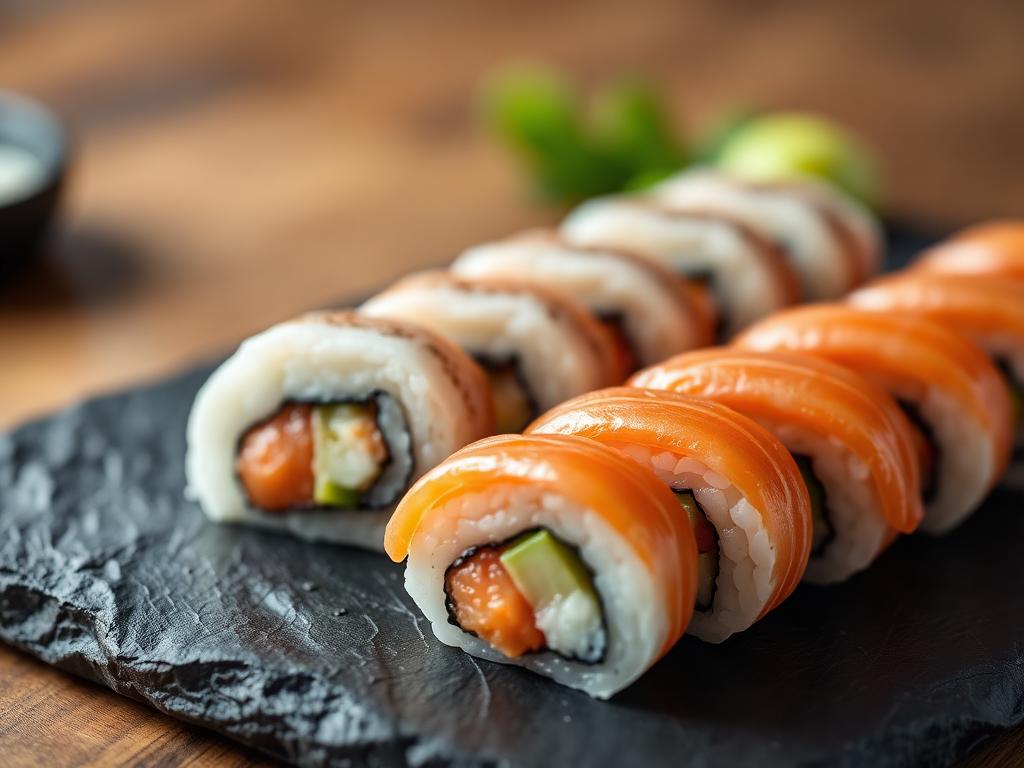
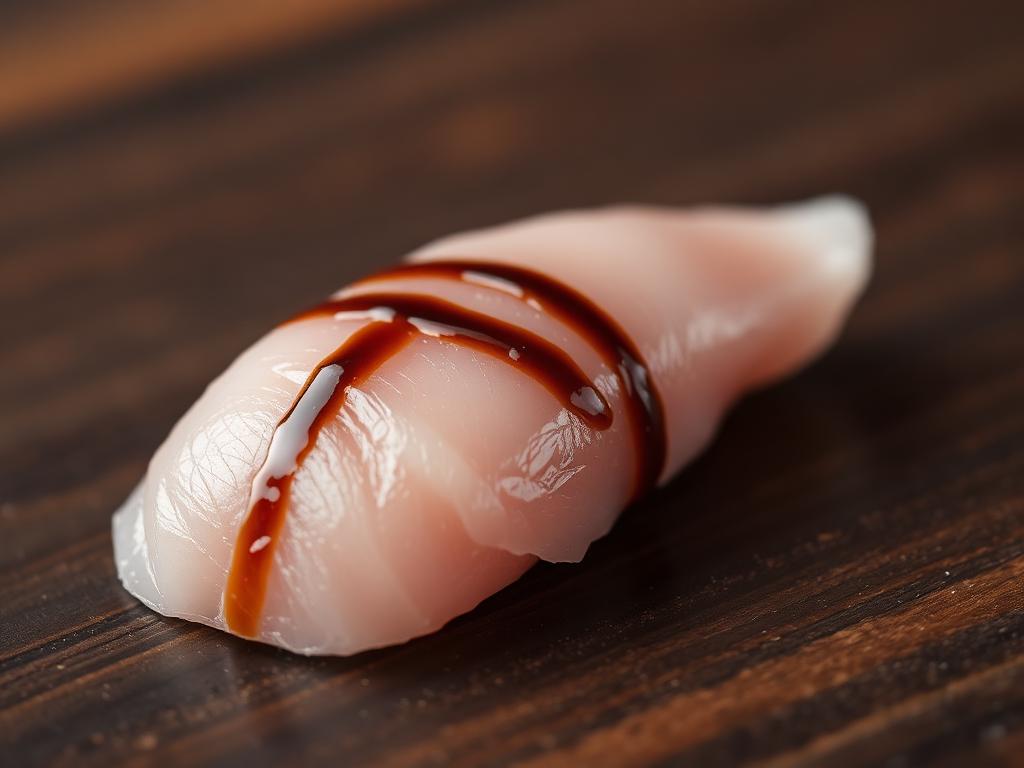
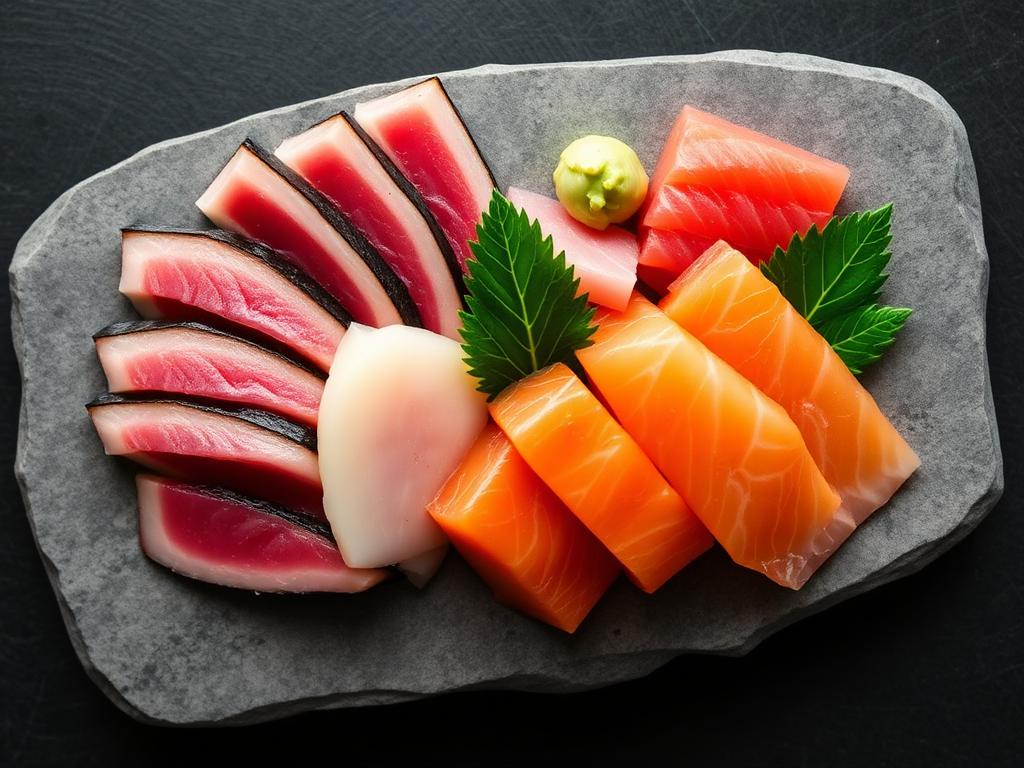
From edomae traditions to chef-led omakase counters: precise rice, aged fish, and quiet rooms where the meal moves at the chef's pace.

01
Nobu Chicago — authentic japanese restaurant in Chicago, West Loop / Fulton Market

Nobu Chicago

¥¥¥¥
West Loop / Fulton Market · Sushi · a la carte
JapaneseJapanese-Peruvian FusionOmakaseFine DiningHotel Dining

Part of the global restaurant empire founded by Japanese culinary legend Nobuyuki 'Nobu' Matsuhisa, Nobu Chicago occupies the ground floor of the West Loop's Nobu Hotel. The menu is anchored by Matsuhisa's iconic Japanese-Peruvian signatures—black cod miso, yellowtail jalapeño, rock shrimp tempura—executed with the same recipes the brand has refined across decades.

View restaurant →
04
Kamehachi — authentic japanese restaurant in Chicago, Old Town

Kamehachi

¥¥
Old Town · Sushi · a la carte
JapaneseTraditional SushiMakiTempuraJapanese Heritage

Chicago's original sushi restaurant, Kamehachi has anchored Old Town since 1967, founded by Japanese-American Marion Konishi and run for nearly six decades by three generations of her Japanese-American family.

View restaurant →
05
Kamehachi (Northbrook) — authentic japanese restaurant in Chicago, Northbrook (suburban)

Kamehachi (Northbrook)

¥¥
Northbrook (suburban) · Sushi · a la carte
JapaneseSushiYakitoriTempuraSuburban Japanese

The suburban sibling to Chicago's iconic Old Town original, Kamehachi Northbrook has served the North Shore for over 25 years under the same Konishi family ownership—now led by third-generation Sharon Perazzoli and Giulia Sindler. Classic nigiri, rolls, teriyaki, and tempura are delivered in a comfortable downtown Northbrook setting.

View restaurant →
06
Kamehachi (Old Town) — authentic japanese restaurant in Chicago, Old Town

Kamehachi (Old Town)

¥¥
Old Town · Sushi · a la carte
JapaneseSushiYakitoriTempuraChicago Institution

Founded in 1967 by Japanese-American Marion Konishi as Chicago's very first sushi bar, Kamehachi Old Town is now run by her daughter Sharon Perazzoli and granddaughter Giulia Sindler—three generations of women preserving Chicago's oldest Japanese dining tradition. The menu spans classic sushi, yakitori skewers, tempura, and teriyaki.

View restaurant →
10
Nobori Sushi — authentic japanese restaurant in Chicago, Glenview

Nobori Sushi

¥¥
Glenview · Sushi · a la carte
JapaneseTraditional SushiSashimiTempuraRamen

A proudly Japanese-owned North Shore institution, Nobori Sushi has been led by Chef Noboru Nakamura for over 40 years — from Greenwich Village to Glenview — offering traditionally prepared nigiri, sashimi, and Japanese specialties that locals describe as the best on the North Shore.

View restaurant →
11
Tenjin — authentic japanese restaurant in Chicago, Lincolnwood

Tenjin

¥¥
Lincolnwood · Sushi · a la carte
JapaneseTraditional SushiSashimiTeriyakiTempura

Tenjin is the lovingly renamed continuation of Lincolnwood's 30-year Japanese institution Renga-Tei, now owned and operated by Fukuoka-born Chef Naoki Nakashima and his wife Yoshimi — both from Japan — who purchased the restaurant in 2023 and named it after their hometown district in Fukuoka City.

View restaurant →
Other Japanese cuisines in Chicago
FAQ

Questions, answered.

What makes sushi in Chicago authentic?
From edomae traditions to chef-led omakase counters: precise rice, aged fish, and quiet rooms where the meal moves at the chef's pace. In Chicago, we apply the same standard: chefs trained in the discipline, ingredients and technique consistent with Japanese practice, and a focused sushi-first format rather than a mixed menu.
How do you define authenticity?
Washoku Guide defines authenticity by the kitchen's grounding in Japanese culinary tradition: trained chefs (often in Japan), techniques and ingredients consistent with Japanese practice, a focused menu rather than a pan-Asian one, and a coherent dining format (sushi-ya, ramen-ya, izakaya, kaiseki, etc.). We weigh these signals together — no single factor decides.
Do you require Japanese ownership?
No. Japanese ownership is one positive signal, but it is not required. We also recognise restaurants with Japanese-led kitchens or non-Japanese chefs who have trained extensively in Japan and apply traditional techniques with discipline. What matters is the cooking, not the passport.
How are restaurants selected?
Each entry is researched and chosen by Washoku Guide editors — not voted in, not paid for, and not algorithmically ranked. We read kitchen biographies, study menus, talk to people in the industry, and visit when possible. Restaurants pay nothing to be listed.
Are the listings ranked?
No. Washoku Guide is a curated guide, not a ranking. Order on a city page is editorial and may change as the guide evolves; it does not imply that #1 is better than #5. Every listed restaurant has met our authenticity bar.
Are these the only authentic sushi restaurants in Chicago?
These are the ones Washoku Guide has researched and stands behind today. The guide grows over time; if you know an authentic sushi restaurant in Chicago we should consider, please get in touch.