Barcelona · ラーメン

Authentic Ramen
in Barcelona.

Bowls built on hours-long stocks and house-made noodles — tonkotsu, shoyu, shio, miso. Counted by clarity of broth, not by queues.

02
Shoronpo — authentic ramen & soup dumplings restaurant in Barcelona, Gràcia

Shoronpo

¥¥
Gràcia · Ramen · casual
Ramen & soup dumplingsTantanmenSoup dumplingsJapanese-ownedGràcia

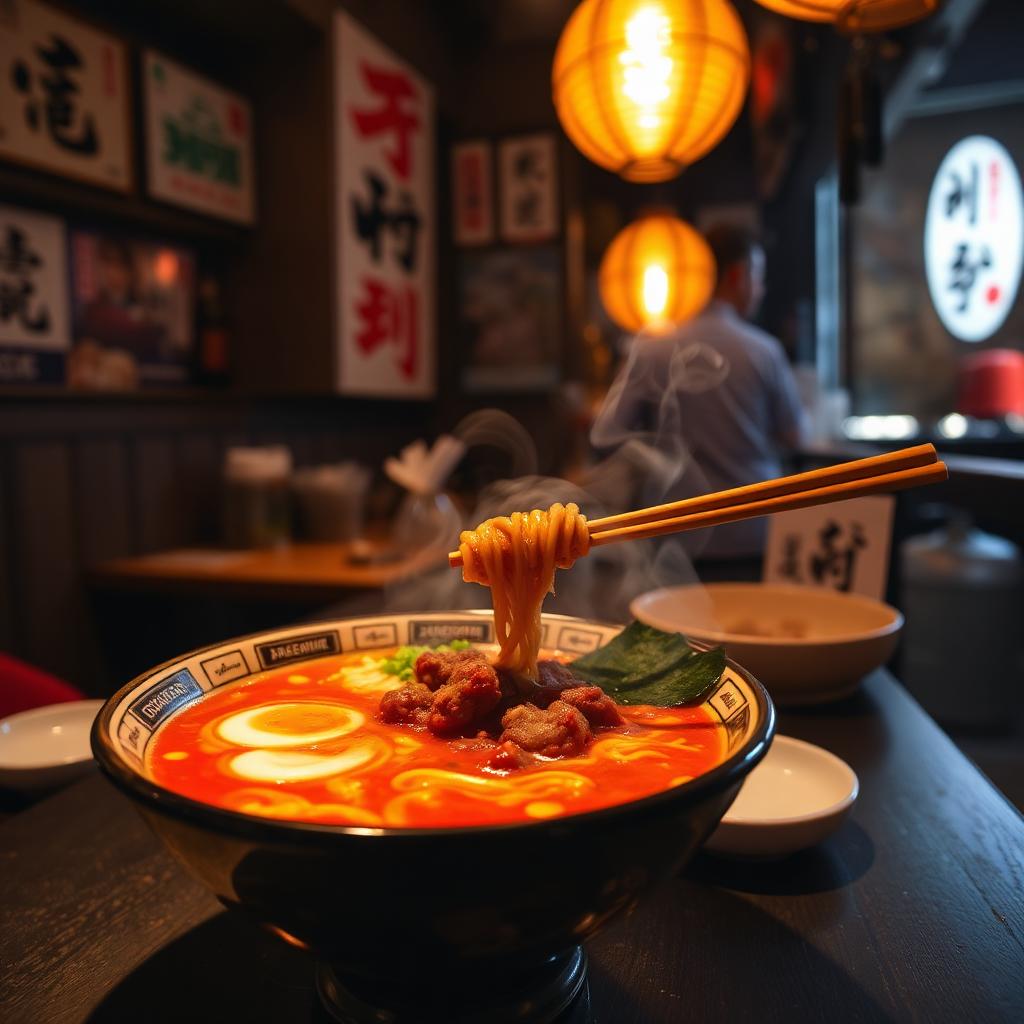
Chef Keita Tanaka's cosy shop in Gràcia is named after the Japanese rendering of xiaolongbao and specialises in tantanmen ramen and hand-pleated soup dumplings. It is one of the very few places in Barcelona where both dishes are made with genuine Japanese technique.

View restaurant →
03
Kobuta Ramen — authentic japanese ramen restaurant in Barcelona, Sants

Kobuta Ramen

¥
Sants · Ramen · casual
Japanese ramenJapanese-foundedJapanese kitchen teamSantsAffordable

Founded in 2017 by Japanese citizen Hiroshi Yamane, Kobuta Ramen operates with a kitchen team that is 'mayoritariamente nativos japoneses' — mostly Japanese nationals. The main location in Sants has developed a strong local following for its tonkotsu miso ramen and karaage.

View restaurant →
04
Oh!kini Ramen by Takeichi — authentic tokyo-style ramen restaurant in Barcelona, Sants

Oh!kini Ramen by Takeichi

¥
Sants · Ramen · casual
Tokyo-style ramenTokyo chainShinbashiSantsJapanese culinary direction

Oh!kini Ramen is the Barcelona branch of Takeichi, a long-established ramen chain originating from Shinbashi, Tokyo. The kitchen follows the Japanese parent company's recipes and standards, making it one of the few Barcelona ramen shops with direct Tokyo lineage.

View restaurant →
Other Japanese cuisines in Barcelona
FAQ

Questions, answered.

What makes ramen in Barcelona authentic?
Bowls built on hours-long stocks and house-made noodles — tonkotsu, shoyu, shio, miso. Counted by clarity of broth, not by queues. In Barcelona, we apply the same standard: chefs trained in the discipline, ingredients and technique consistent with Japanese practice, and a focused ramen-first format rather than a mixed menu.
How do you define authenticity?
Washoku Guide defines authenticity by the kitchen's grounding in Japanese culinary tradition: trained chefs (often in Japan), techniques and ingredients consistent with Japanese practice, a focused menu rather than a pan-Asian one, and a coherent dining format (sushi-ya, ramen-ya, izakaya, kaiseki, etc.). We weigh these signals together — no single factor decides.
Do you require Japanese ownership?
No. Japanese ownership is one positive signal, but it is not required. We also recognise restaurants with Japanese-led kitchens or non-Japanese chefs who have trained extensively in Japan and apply traditional techniques with discipline. What matters is the cooking, not the passport.
How are restaurants selected?
Each entry is researched and chosen by Washoku Guide editors — not voted in, not paid for, and not algorithmically ranked. We read kitchen biographies, study menus, talk to people in the industry, and visit when possible. Restaurants pay nothing to be listed.
Are the listings ranked?
No. Washoku Guide is a curated guide, not a ranking. Order on a city page is editorial and may change as the guide evolves; it does not imply that #1 is better than #5. Every listed restaurant has met our authenticity bar.
Are these the only authentic ramen restaurants in Barcelona?
These are the ones Washoku Guide has researched and stands behind today. The guide grows over time; if you know an authentic ramen restaurant in Barcelona we should consider, please get in touch.