Zürich · 懐石

Authentic Kaiseki
in Zürich.

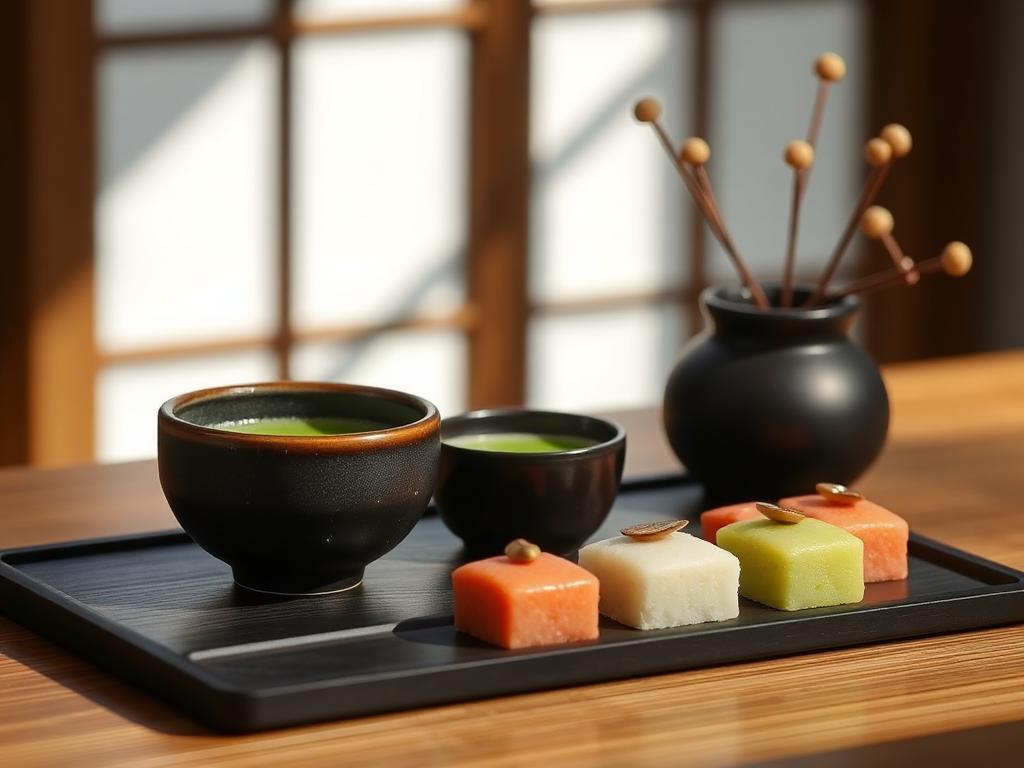
Multi-course seasonal menus rooted in tea-ceremony tradition — composition, vessel, and timing are all part of the dish.

02
Sala of Tokyo — authentic traditional japanese kaiseki & sushi restaurant in Zürich, Altstadt (Kreis 1)

Sala of Tokyo

¥¥¥¥
Altstadt (Kreis 1) · Kaiseki · a la carte
Traditional Japanese kaiseki & sushiOldest Japanese restaurant Switzerland16 Gault-Millau pointsJapanese chefs onlyMichelin selected

Founded in 1981 by Japanese-Swiss couple Sala and Ernst Ruch-Fukuoka, Sala of Tokyo is Switzerland's oldest Japanese restaurant, earning 16 Gault-Millau points and a Michelin listing through its policy of staffing the kitchen exclusively with Japanese chefs.

View restaurant →
03
MURA — authentic japanese omakase & bento restaurant in Zürich, Seefeld (Kreis 8)

MURA

¥¥¥
Seefeld (Kreis 8) · Kaiseki · omakase
Japanese omakase & bentoSeefeld districtMinimalist interiorLunch bentoDinner omakase

MURA is chef-owner Kenichi Arimura's Japanese restaurant in Zurich's Seefeld district, offering a refined omakase experience by evening and beautifully composed bento boxes and sushi at lunch.

View restaurant →
04
SEAM — authentic kappo / kaiseki cuisine restaurant in Zürich, Altstadt (Kreis 1)

SEAM

¥¥¥
Altstadt (Kreis 1) · Kaiseki · counter
Kappo / kaiseki cuisineKappo cuisineCounter diningZürich-firstSeasonal Japanese

SEAM introduced Zürich to the rare Japanese kappo tradition in July 2025 — chef Yusuke Katayama from Osaka cooks each seasonal dish directly at the counter, celebrating the closeness between chef and guest.

View restaurant →
Other Japanese cuisines in Zürich
FAQ

Questions, answered.

What makes kaiseki in Zürich authentic?
Multi-course seasonal menus rooted in tea-ceremony tradition — composition, vessel, and timing are all part of the dish. In Zürich, we apply the same standard: chefs trained in the discipline, ingredients and technique consistent with Japanese practice, and a focused kaiseki-first format rather than a mixed menu.
How do you define authenticity?
Washoku Guide defines authenticity by the kitchen's grounding in Japanese culinary tradition: trained chefs (often in Japan), techniques and ingredients consistent with Japanese practice, a focused menu rather than a pan-Asian one, and a coherent dining format (sushi-ya, ramen-ya, izakaya, kaiseki, etc.). We weigh these signals together — no single factor decides.
Do you require Japanese ownership?
No. Japanese ownership is one positive signal, but it is not required. We also recognise restaurants with Japanese-led kitchens or non-Japanese chefs who have trained extensively in Japan and apply traditional techniques with discipline. What matters is the cooking, not the passport.
How are restaurants selected?
Each entry is researched and chosen by Washoku Guide editors — not voted in, not paid for, and not algorithmically ranked. We read kitchen biographies, study menus, talk to people in the industry, and visit when possible. Restaurants pay nothing to be listed.
Are the listings ranked?
No. Washoku Guide is a curated guide, not a ranking. Order on a city page is editorial and may change as the guide evolves; it does not imply that #1 is better than #5. Every listed restaurant has met our authenticity bar.
Are these the only authentic kaiseki restaurants in Zürich?
These are the ones Washoku Guide has researched and stands behind today. The guide grows over time; if you know an authentic kaiseki restaurant in Zürich we should consider, please get in touch.