San Francisco · 懐石

Authentic Kaiseki
in San Francisco.

Multi-course seasonal menus rooted in tea-ceremony tradition — composition, vessel, and timing are all part of the dish.

01
Hashiri Bettei Kaiseki Aoki — authentic japanese restaurant in San Francisco, Saratoga

Hashiri Bettei Kaiseki Aoki

¥¥¥¥
Saratoga · Kaiseki · omakase
JapaneseKaisekiOmakaseTea CeremonyJapanese Fine Dining

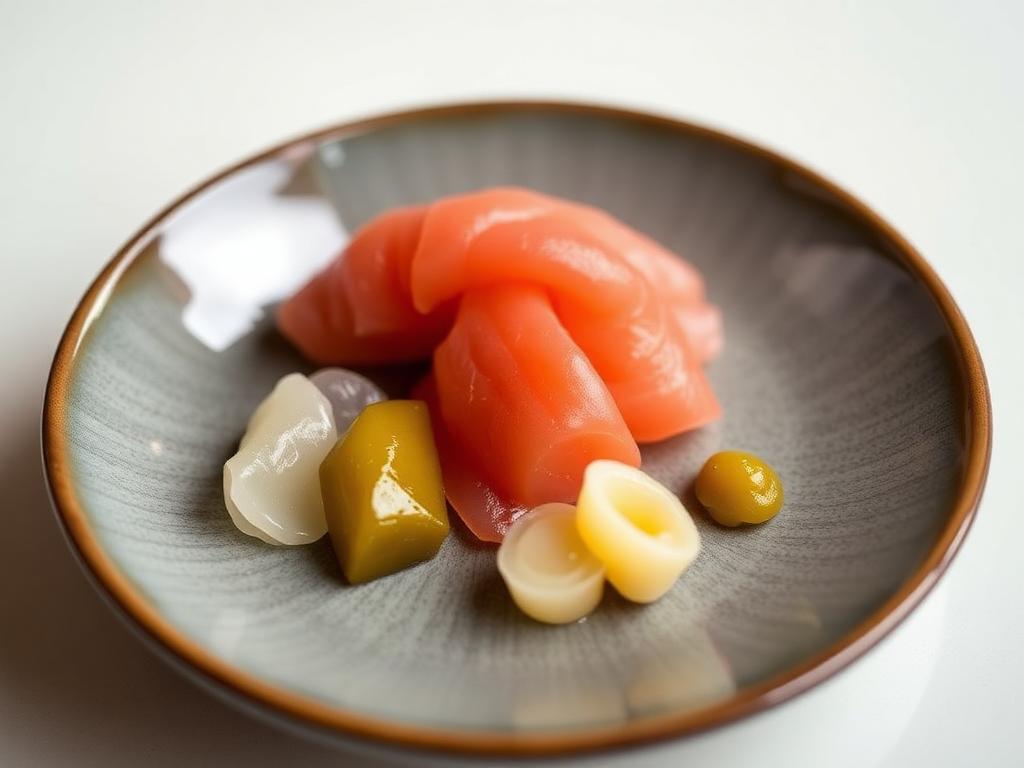
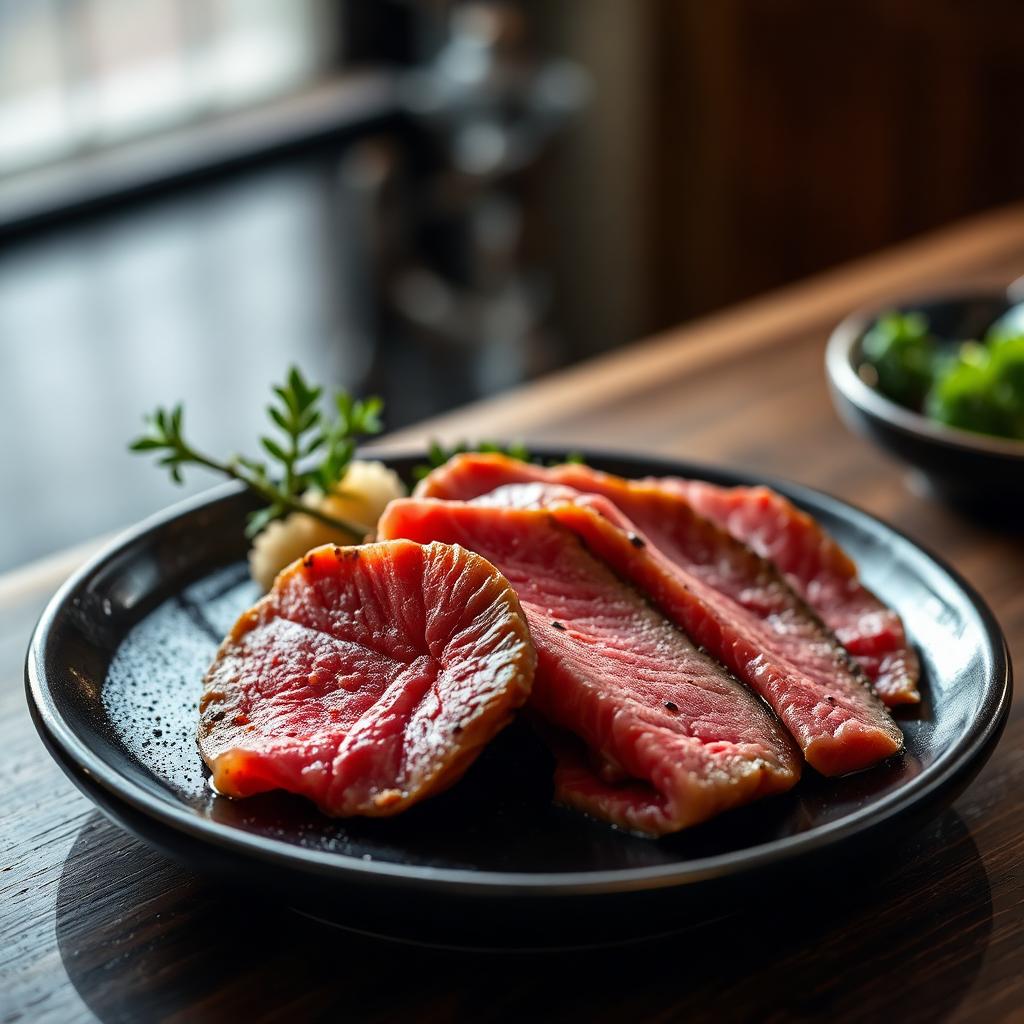
Chef Shinichi Aoki's nine-seat kaiseki counter in Saratoga brings the spirit of the Japanese tea room to Silicon Valley's foothills. After years at the acclaimed Kaygetsu in Menlo Park, Aoki opened this spare, serene space in December 2023 with partner Yuko Nammo, delivering a single-seating preset tasting menu rooted in the kaiseki ryori tradition.

View restaurant →
02
Mitsunobu — authentic japanese restaurant in San Francisco, Menlo Park

Mitsunobu

¥¥¥¥
Menlo Park · Kaiseki · counter
JapaneseKaisekiSushiOmakaseSashimi

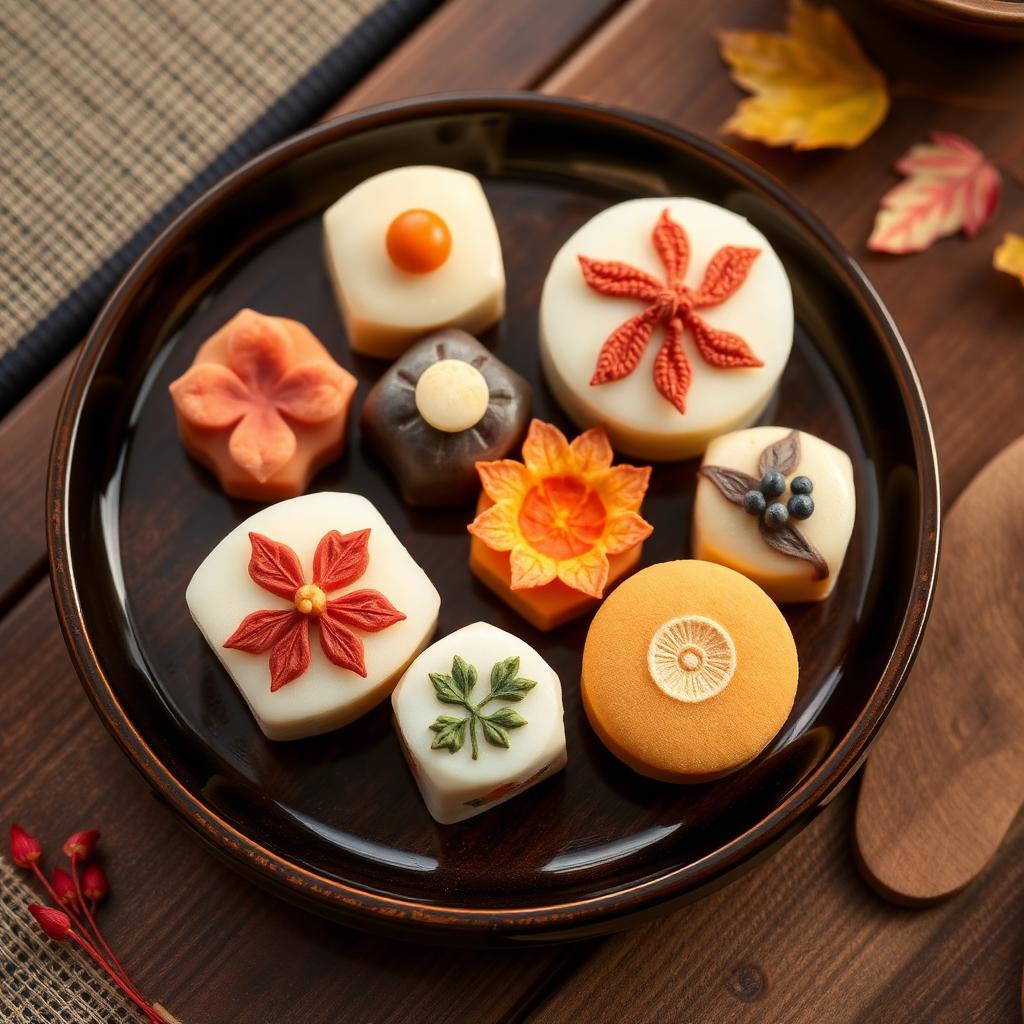
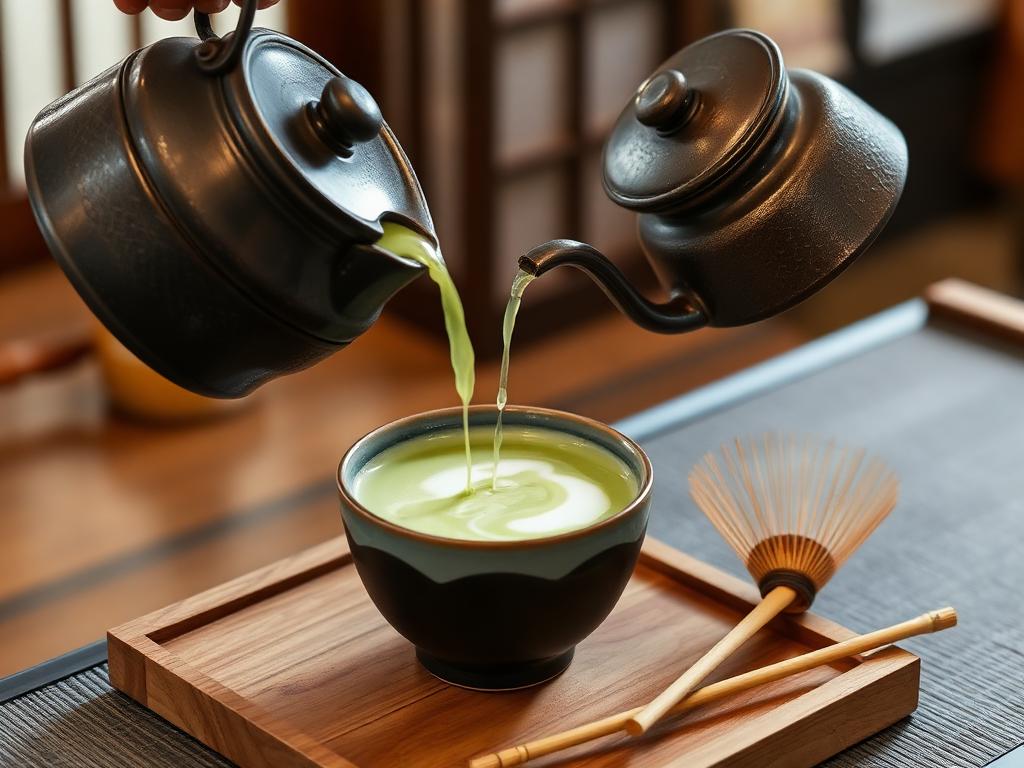
Mitsunobu occupies the storied Sharon Heights dining room formerly home to Kaygetsu, carrying forward an exceptional tradition of Japanese fine dining. Owner Tomo Mitsunobu oversees a menu spanning kaiseki tasting courses, sashimi, and an à-la-carte sushi bar in a serene, minimalist setting.

View restaurant →
04
Wakuriya — authentic japanese restaurant in San Francisco, San Mateo

Wakuriya

¥¥¥¥
San Mateo · Kaiseki · counter
JapaneseKaisekiMichelin StarTasting MenuSeasonal

Wakuriya is the sole Michelin-starred restaurant in San Mateo — a Japanese kaiseki counter run by husband-and-wife team Katsuhiro and Mayumi Yamasaki. At approximately $210 per person, its seasonal multi-course menus are among the most sought-after dining experiences in Northern California.

View restaurant →
Other Japanese cuisines in San Francisco
FAQ

Questions, answered.

What makes kaiseki in San Francisco authentic?
Multi-course seasonal menus rooted in tea-ceremony tradition — composition, vessel, and timing are all part of the dish. In San Francisco, we apply the same standard: chefs trained in the discipline, ingredients and technique consistent with Japanese practice, and a focused kaiseki-first format rather than a mixed menu.
How do you define authenticity?
Washoku Guide defines authenticity by the kitchen's grounding in Japanese culinary tradition: trained chefs (often in Japan), techniques and ingredients consistent with Japanese practice, a focused menu rather than a pan-Asian one, and a coherent dining format (sushi-ya, ramen-ya, izakaya, kaiseki, etc.). We weigh these signals together — no single factor decides.
Do you require Japanese ownership?
No. Japanese ownership is one positive signal, but it is not required. We also recognise restaurants with Japanese-led kitchens or non-Japanese chefs who have trained extensively in Japan and apply traditional techniques with discipline. What matters is the cooking, not the passport.
How are restaurants selected?
Each entry is researched and chosen by Washoku Guide editors — not voted in, not paid for, and not algorithmically ranked. We read kitchen biographies, study menus, talk to people in the industry, and visit when possible. Restaurants pay nothing to be listed.
Are the listings ranked?
No. Washoku Guide is a curated guide, not a ranking. Order on a city page is editorial and may change as the guide evolves; it does not imply that #1 is better than #5. Every listed restaurant has met our authenticity bar.
Are these the only authentic kaiseki restaurants in San Francisco?
These are the ones Washoku Guide has researched and stands behind today. The guide grows over time; if you know an authentic kaiseki restaurant in San Francisco we should consider, please get in touch.