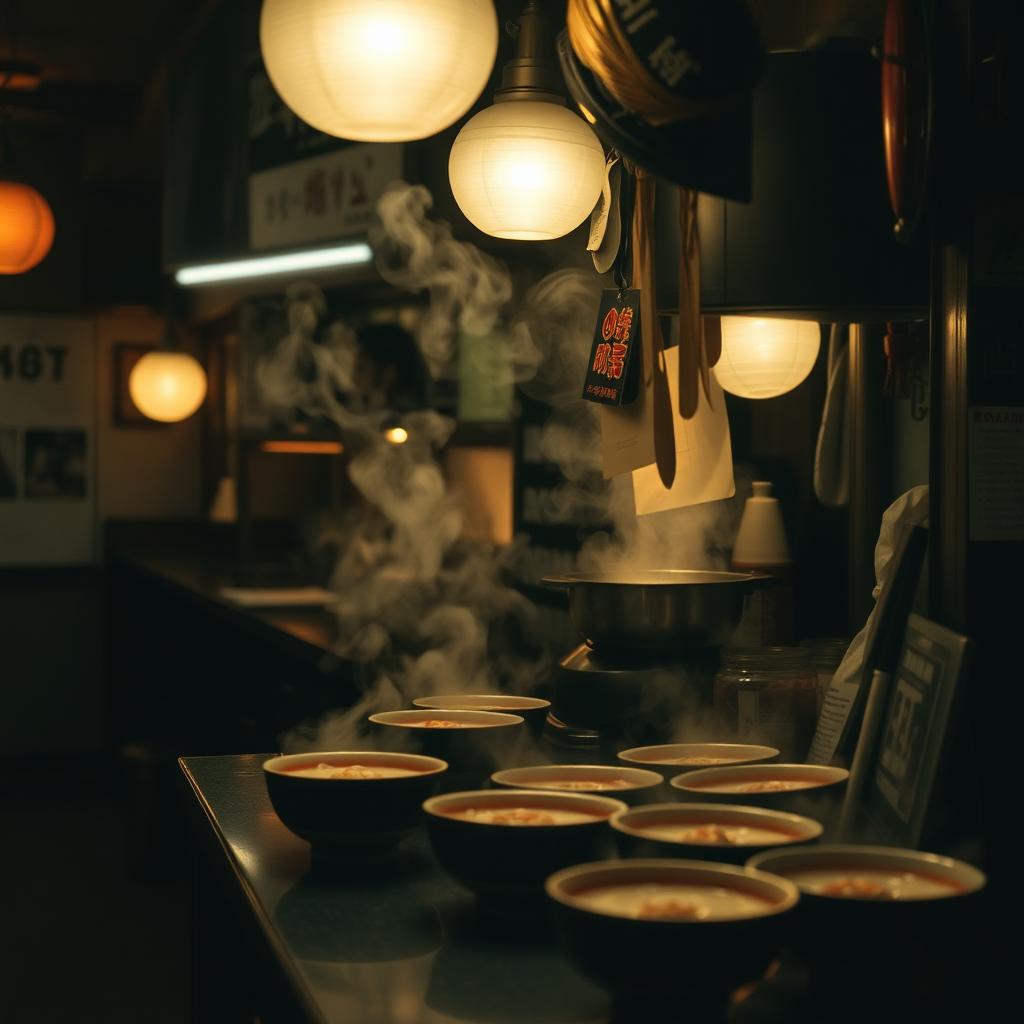
Washington D.C. · ラーメン

Authentic Ramen
in Washington D.C..

Bowls built on hours-long stocks and house-made noodles — tonkotsu, shoyu, shio, miso. Counted by clarity of broth, not by queues.

01
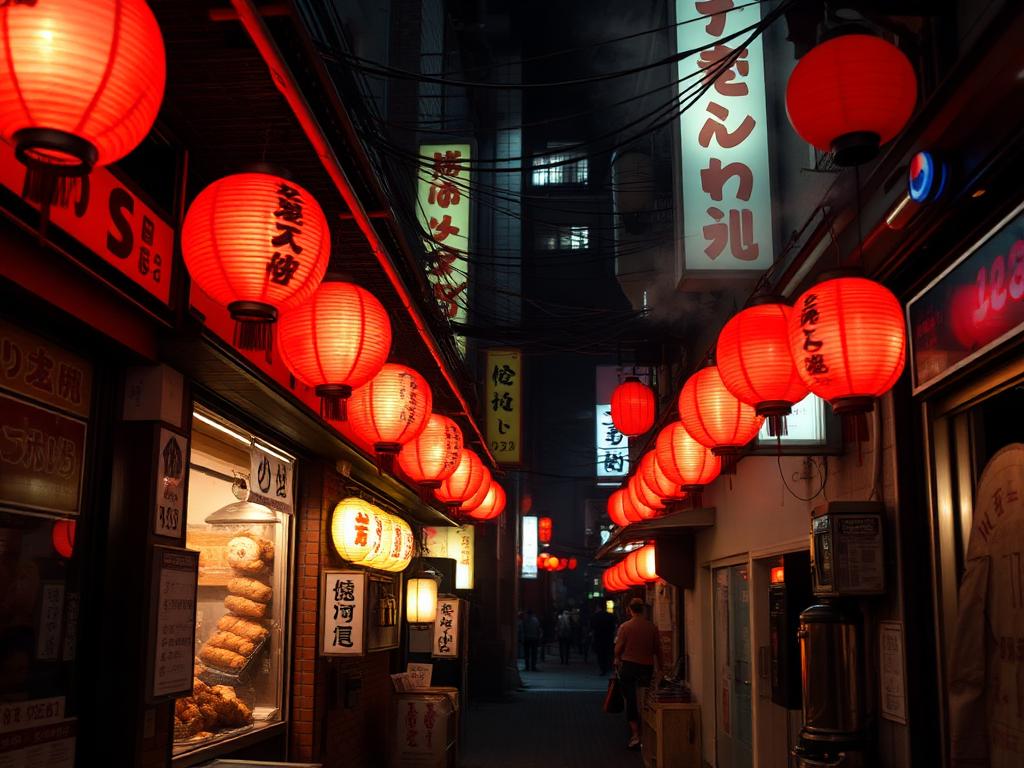
Bantam King — authentic chicken ramen and fried chicken restaurant in Washington D.C., Chinatown / Penn Quarter

Bantam King

¥¥
Chinatown / Penn Quarter · Ramen · casual
Chicken ramen and fried chickenJapanese-ownedChinatownJapan-researchedCasual dining

Bantam King was DC's first restaurant devoted entirely to chicken — specifically chicken ramen and Japanese-style fried chicken — after co-owner Katsuya Fukushima spent extensive time researching tori ramen's growing popularity across Japan. Opened in 2016 by the Daikaya Group (Tokyo-born owner Daisuke Utagawa), it occupies a former Burger King space in Chinatown.

View restaurant →
02
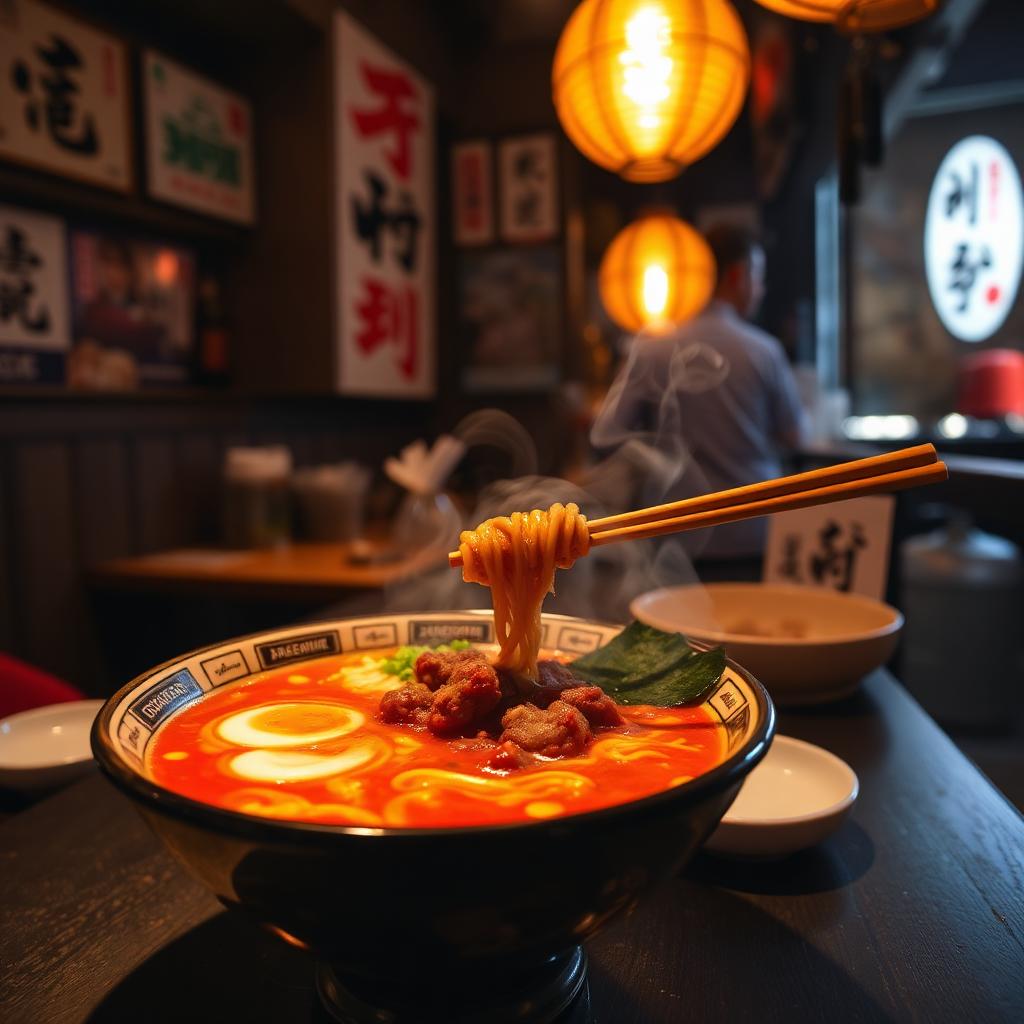
Daikaya (Ramen Shop) — authentic sapporo-style ramen restaurant in Washington D.C., Chinatown / Penn Quarter

Daikaya (Ramen Shop)

¥¥
Chinatown / Penn Quarter · Ramen · casual
Sapporo-style ramenJapanese-ownedChinatownWalk-in onlyTokyo-inspired

Daikaya's ground-floor ramen shop is helmed by Tokyo-born owner Daisuke Utagawa, who modeled the concept directly on the Sapporo-style ramen of his Japanese childhood. Chef-partner Katsuya Fukushima spent extensive time traveling Japan's ramen regions to refine each recipe before opening in 2013.

View restaurant →
03
Ramen by UZU — authentic japanese hometown ramen and comfort food restaurant in Washington D.C., Union Market District

Ramen by UZU

¥¥
Union Market District · Ramen · casual
Japanese hometown ramen and comfort foodJapanese-ownedUnion MarketNagoya-styleOkonomiyaki

Chef-owner Hiroaki Mitsui was born and raised in Nagoya, lived in Osaka, and came to DC in 2011. His Ramen by UZU — a beloved Union Market stall turned permanent vendor since 2016 — serves Japanese comfort food rooted in his hometown: rich chicken bone broth ramen, okonomiyaki, curry rice, and seasonal specials. A second location operates at 3210 Grace Street NW in Georgetown.

View restaurant →
Other Japanese cuisines in Washington D.C.
FAQ

Questions, answered.

What makes ramen in Washington D.C. authentic?
Bowls built on hours-long stocks and house-made noodles — tonkotsu, shoyu, shio, miso. Counted by clarity of broth, not by queues. In Washington D.C., we apply the same standard: chefs trained in the discipline, ingredients and technique consistent with Japanese practice, and a focused ramen-first format rather than a mixed menu.
How do you define authenticity?
Washoku Guide defines authenticity by the kitchen's grounding in Japanese culinary tradition: trained chefs (often in Japan), techniques and ingredients consistent with Japanese practice, a focused menu rather than a pan-Asian one, and a coherent dining format (sushi-ya, ramen-ya, izakaya, kaiseki, etc.). We weigh these signals together — no single factor decides.
Do you require Japanese ownership?
No. Japanese ownership is one positive signal, but it is not required. We also recognise restaurants with Japanese-led kitchens or non-Japanese chefs who have trained extensively in Japan and apply traditional techniques with discipline. What matters is the cooking, not the passport.
How are restaurants selected?
Each entry is researched and chosen by Washoku Guide editors — not voted in, not paid for, and not algorithmically ranked. We read kitchen biographies, study menus, talk to people in the industry, and visit when possible. Restaurants pay nothing to be listed.
Are the listings ranked?
No. Washoku Guide is a curated guide, not a ranking. Order on a city page is editorial and may change as the guide evolves; it does not imply that #1 is better than #5. Every listed restaurant has met our authenticity bar.
Are these the only authentic ramen restaurants in Washington D.C.?
These are the ones Washoku Guide has researched and stands behind today. The guide grows over time; if you know an authentic ramen restaurant in Washington D.C. we should consider, please get in touch.