Hong Kong · 鉄板焼き

Authentic Teppanyaki
in Hong Kong.

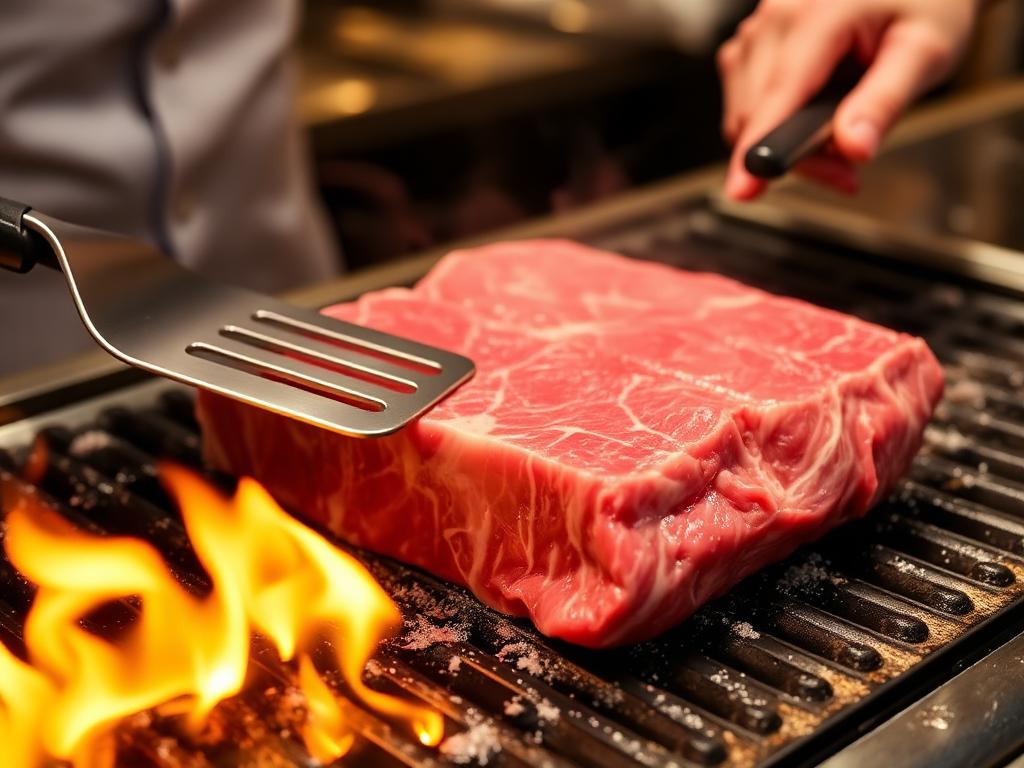
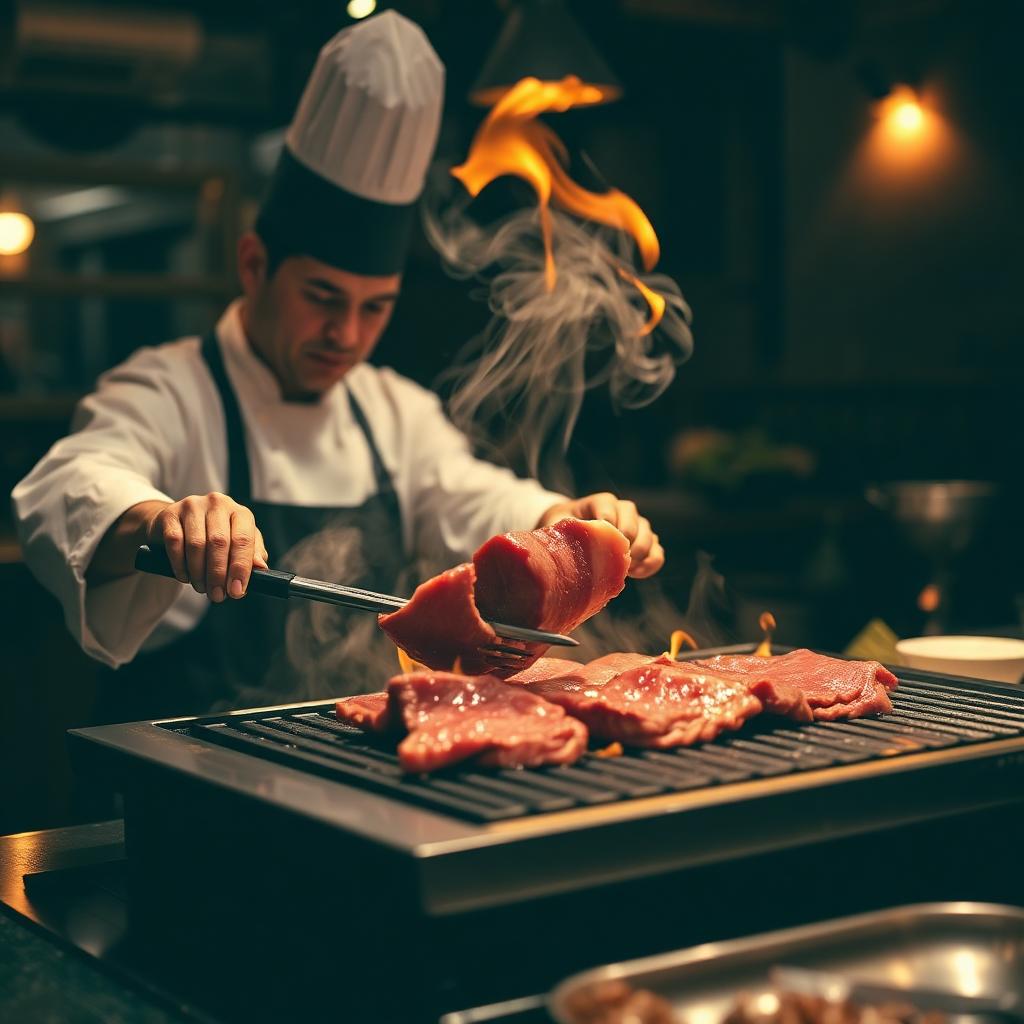
Iron-griddle cooking in the Japanese sense — restraint, single-cut wagyu, seasonal vegetables. No flying shrimp.

01
Enishi (縁) — authentic japanese restaurant in Hong Kong, Sheung Wan

Enishi (縁)

¥¥¥¥
Sheung Wan · Teppanyaki · omakase
JapaneseTeppanyaki OmakaseModern JapaneseCounter DiningSake Pairing

Enishi is a passion-project teppanyaki counter in Sheung Wan, co-owned and helmed by Japanese chefs Toru Takano, Ami Hamasaki, and Shun Sato. The name — meaning 'destined encounter' — reflects the trio's philosophy of connection through food.

View restaurant →
03
Matsubishi (松菱) — authentic japanese restaurant in Hong Kong, Wan Chai

Matsubishi (松菱)

¥¥¥¥
Wan Chai · Teppanyaki · a la carte
JapaneseHeritage TeppanyakiPrivate DiningSushi BarPremium Wagyu

One of Hong Kong's oldest and most beloved teppanyaki institutions, Matsubishi has been performing the art of the iron plate since 1979 from its home in Convention Plaza, Wan Chai. With Kobe, Ohmi, and Kagoshima beef flown in directly from Japan, it remains a benchmark for quality and consistency.

View restaurant →
05
Teppanyaki Sessyu — authentic japanese restaurant in Hong Kong, Causeway Bay

Teppanyaki Sessyu

¥¥¥¥
Causeway Bay · Teppanyaki · omakase
JapaneseTeppanyaki kaisekiWagyuKobe beefHida beef

Teppanyaki Sessyu at Cubus in Causeway Bay is credited as Hong Kong's first teppanyaki kaiseki restaurant, where Japanese head chef Matsumura Katsuhiro performs multi-course teppan theatre using the finest Japanese wagyu from Kobe, Hida, and Miyazaki. The restaurant has been praised by the French Gastronomy Association for its precision and elegance.

View restaurant →
06
Unkai Japanese Cuisine — authentic japanese restaurant in Hong Kong, Tsim Sha Tsui

Unkai Japanese Cuisine

¥¥¥¥
Tsim Sha Tsui · Teppanyaki · a la carte
JapaneseOsaka CuisineHotel Japanese RestaurantTeppanyakiKaiseki

Unkai Japanese Cuisine at Sheraton Hong Kong delivers authentic Osaka-style dining across six distinctive spaces — open teppan, private teppan, sushi and sake bar, main dining, private rooms, and a tatami room. Led by Japanese chef Suzuki, the kitchen sources jet-fresh ingredients flown directly from Japan.

View restaurant →
08
Teppanyaki Mihara Goten — authentic japanese restaurant in Hong Kong, Causeway Bay

Teppanyaki Mihara Goten

¥¥¥
Causeway Bay · Teppanyaki · omakase
JapaneseKappoTeppanyakiMichelin GuideWagyu

Chef Terufumi Mihara's intimate 14-seat Causeway Bay counter redefines teppanyaki by merging it with kappo cuisine: an omakase procession of griddle-cooked dishes that ranges from delicate chawanmushi and seafood to premium wagyu, all shaped by ingredients flown fresh from Japan. Michelin Guide has recommended the restaurant for two consecutive years.

View restaurant →
09
Benkei Okonomiyaki Teppanyaki (弁慶) — authentic japanese restaurant in Hong Kong, Central

Benkei Okonomiyaki Teppanyaki (弁慶)

¥¥
Central · Teppanyaki · casual
JapaneseOkonomiyakiOsaka Street FoodTeppanyakiDotonbori Heritage

Originating from the famous Dotonbori entertainment district of Osaka — Japan's okonomiyaki heartland — Benkei has been perfecting its savoury Osaka pancakes for nearly five decades. The Central Hong Kong outpost keeps the tradition alive with Japanese chefs at the teppan and a convivial beer-and-okonomiyaki atmosphere.

View restaurant →
Other Japanese cuisines in Hong Kong
FAQ

Questions, answered.

What makes teppanyaki in Hong Kong authentic?
Iron-griddle cooking in the Japanese sense — restraint, single-cut wagyu, seasonal vegetables. No flying shrimp. In Hong Kong, we apply the same standard: chefs trained in the discipline, ingredients and technique consistent with Japanese practice, and a focused teppanyaki-first format rather than a mixed menu.
How do you define authenticity?
Washoku Guide defines authenticity by the kitchen's grounding in Japanese culinary tradition: trained chefs (often in Japan), techniques and ingredients consistent with Japanese practice, a focused menu rather than a pan-Asian one, and a coherent dining format (sushi-ya, ramen-ya, izakaya, kaiseki, etc.). We weigh these signals together — no single factor decides.
Do you require Japanese ownership?
No. Japanese ownership is one positive signal, but it is not required. We also recognise restaurants with Japanese-led kitchens or non-Japanese chefs who have trained extensively in Japan and apply traditional techniques with discipline. What matters is the cooking, not the passport.
How are restaurants selected?
Each entry is researched and chosen by Washoku Guide editors — not voted in, not paid for, and not algorithmically ranked. We read kitchen biographies, study menus, talk to people in the industry, and visit when possible. Restaurants pay nothing to be listed.
Are the listings ranked?
No. Washoku Guide is a curated guide, not a ranking. Order on a city page is editorial and may change as the guide evolves; it does not imply that #1 is better than #5. Every listed restaurant has met our authenticity bar.
Are these the only authentic teppanyaki restaurants in Hong Kong?
These are the ones Washoku Guide has researched and stands behind today. The guide grows over time; if you know an authentic teppanyaki restaurant in Hong Kong we should consider, please get in touch.