Hamburg · 寿司

Authentic Sushi
in Hamburg.

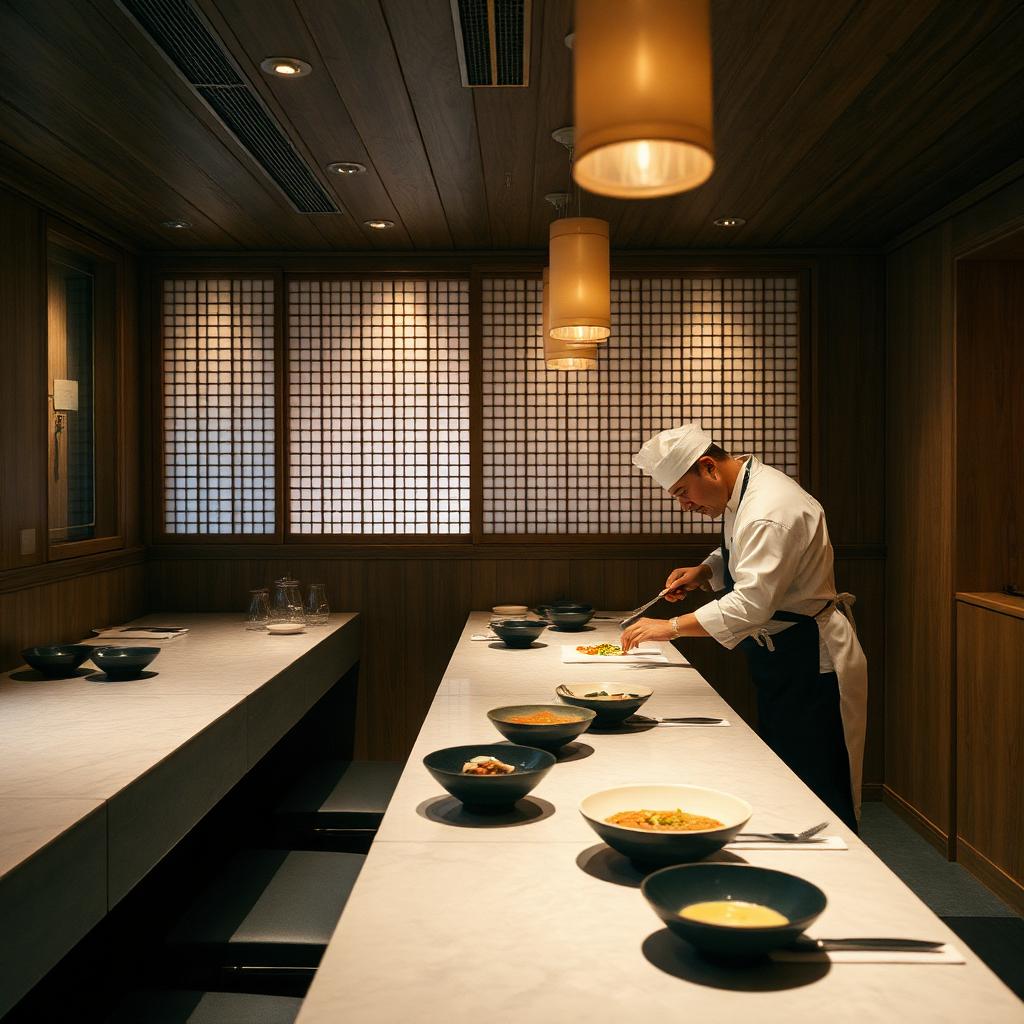
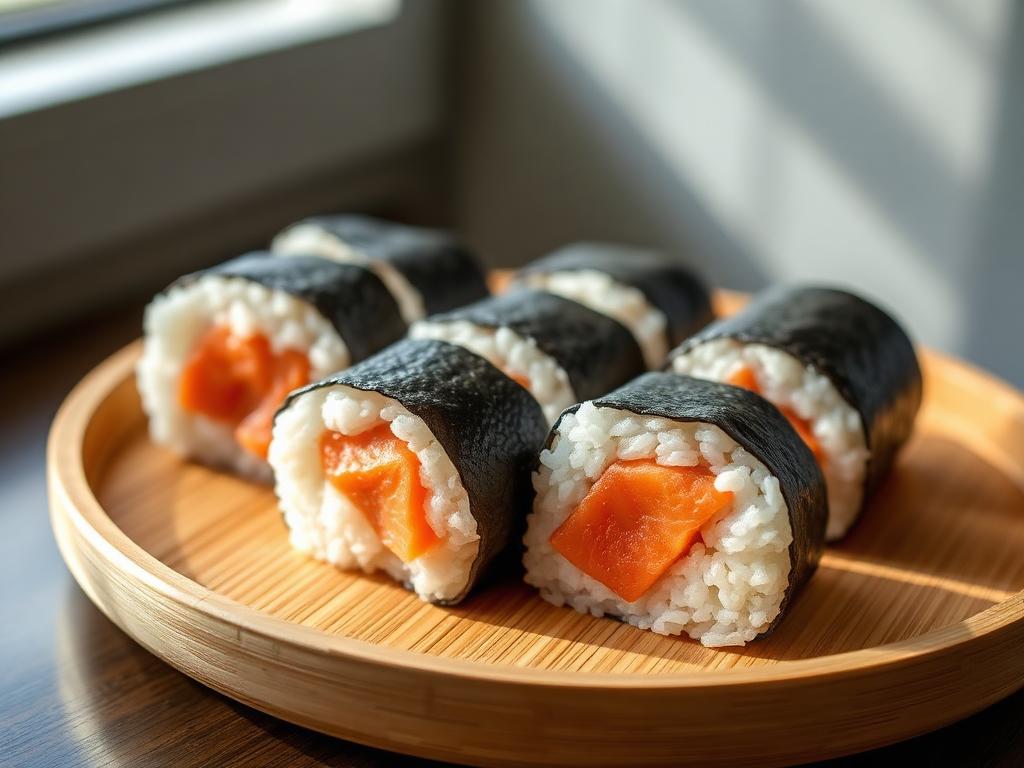
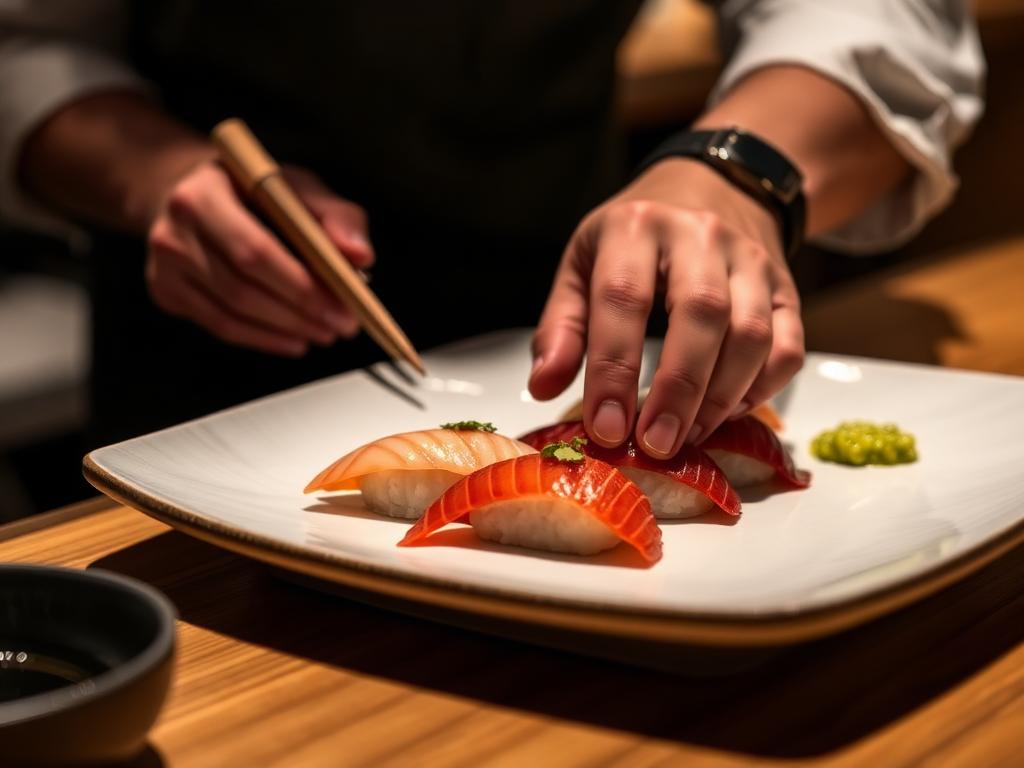
From edomae traditions to chef-led omakase counters: precise rice, aged fish, and quiet rooms where the meal moves at the chef's pace.

01
Zipang — authentic nouvelle cuisine japonaise / creative sushi restaurant in Hamburg, Hoheluft-West

Zipang

¥¥¥
Hoheluft-West · Sushi · a la carte
Nouvelle Cuisine Japonaise / creative sushiJapanese-ownedJapanese-led kitchenDer Feinschmecker listedCreative fusion

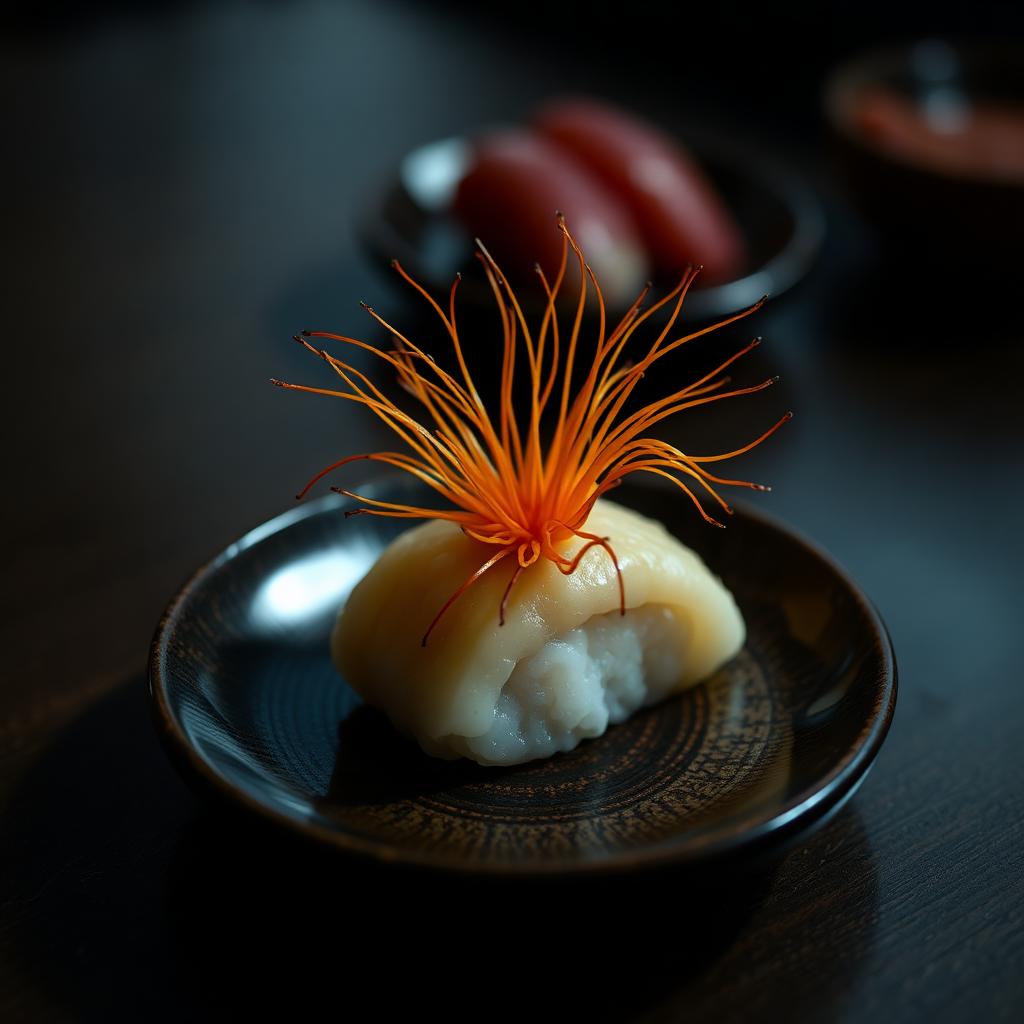
Chef-owner Toshiharu Minami opened Zipang in 2010 after training in Japan and Germany, bringing a distinctly personal interpretation of Japanese cuisine to Hamburg's Hoheluft neighbourhood. His multicourse menus — built around seasonal ingredients and precise Japanese technique — have earned recognition in Der Feinschmecker as one of the country's finest Japanese kitchens.

View restaurant →
02
Akari — authentic japanese sushi and traditional japanese cuisine restaurant in Hamburg, Uhlenhorst

Akari

¥¥
Uhlenhorst · Sushi · a la carte
Japanese sushi and traditional Japanese cuisineJapanese-ownedJapanese-led kitchenFamily-runUhlenhorst neighbourhood gem

Founded in 1997 by Japanese chef Mitsuru Hoshino and now run by the Ohira Japanese family, Akari occupies a quiet address in Uhlenhorst offering Japanese sushi and traditional dishes not commonly found elsewhere in Germany. TripAdvisor reviewers consistently note the exclusively Japanese staff and the family atmosphere that makes the restaurant feel like a neighbourhood secret.

View restaurant →
03
Kampai Sushi Bar — authentic authentic japanese sushi counter restaurant in Hamburg, St. Pauli

Kampai Sushi Bar

¥¥
St. Pauli · Sushi · counter
Authentic Japanese sushi counterJapanese-ownedCounter sushiSt. PauliFish sourced from Japan

Tucked into a narrow space on Hamburger Berg in St. Pauli, Kampai Sushi Bar is owned and run by Japanese chef Hiro, who sources fish directly from Japan and prepares every piece himself at the counter. With only a handful of seats, it is one of Hamburg's most intimate and authentic sushi experiences — popular among both the city's Japanese community and serious sushi enthusiasts.

View restaurant →
04
Matsumi — authentic traditional japanese sushi restaurant in Hamburg, Neustadt

Matsumi

¥¥
Neustadt · Sushi · a la carte
Traditional Japanese sushiJapanese-ownedJapanese-led kitchenDer Feinschmecker ratedHamburg institution

Founded in 1982 and originally catering to Hamburg's Japanese expatriate community, Matsumi is the city's most storied Japanese restaurant. Under chef Fumihiro Morita and owner Hideaki Morita, traditional recipes and Japanese service staff preserve an atmosphere that feels like a short journey to Japan.

View restaurant →
05
Sakura Sushi (Inh. Junjiro Gamo) — authentic japanese sushi and lunch counter restaurant in Hamburg, Altstadt

Sakura Sushi (Inh. Junjiro Gamo)

¥
Altstadt · Sushi · casual
Japanese sushi and lunch counterJapanese-ownedJapanese-led kitchenValue lunchCity-centre sushi

A small Japanese-owned lunch counter tucked behind Karstadt in Hamburg's Altstadt, Sakura Sushi is run by owner and chef Junjiro Gamo. Reviewers — including Japanese residents who have spent years comparing sushi in the city — consistently describe it as the most honest, freshest sushi in Hamburg at any price point.

View restaurant →
Other Japanese cuisines in Hamburg
FAQ

Questions, answered.

What makes sushi in Hamburg authentic?
From edomae traditions to chef-led omakase counters: precise rice, aged fish, and quiet rooms where the meal moves at the chef's pace. In Hamburg, we apply the same standard: chefs trained in the discipline, ingredients and technique consistent with Japanese practice, and a focused sushi-first format rather than a mixed menu.
How do you define authenticity?
Washoku Guide defines authenticity by the kitchen's grounding in Japanese culinary tradition: trained chefs (often in Japan), techniques and ingredients consistent with Japanese practice, a focused menu rather than a pan-Asian one, and a coherent dining format (sushi-ya, ramen-ya, izakaya, kaiseki, etc.). We weigh these signals together — no single factor decides.
Do you require Japanese ownership?
No. Japanese ownership is one positive signal, but it is not required. We also recognise restaurants with Japanese-led kitchens or non-Japanese chefs who have trained extensively in Japan and apply traditional techniques with discipline. What matters is the cooking, not the passport.
How are restaurants selected?
Each entry is researched and chosen by Washoku Guide editors — not voted in, not paid for, and not algorithmically ranked. We read kitchen biographies, study menus, talk to people in the industry, and visit when possible. Restaurants pay nothing to be listed.
Are the listings ranked?
No. Washoku Guide is a curated guide, not a ranking. Order on a city page is editorial and may change as the guide evolves; it does not imply that #1 is better than #5. Every listed restaurant has met our authenticity bar.
Are these the only authentic sushi restaurants in Hamburg?
These are the ones Washoku Guide has researched and stands behind today. The guide grows over time; if you know an authentic sushi restaurant in Hamburg we should consider, please get in touch.